Water Damage Restoration in Glendale
Water spreading beyond a doorway needs a plan for the rooms it has already reached. Glendale cleanup starts with the source, the materials holding moisture, and a safe way to reach the affected area.
(888) 578-6508Describe the rooms needing cleanupRoom conditions determine the equipment, access requirements and cleanup sequence for each property.
Make the next decision safely
- 1
Keep people clear
A bowed ceiling, sewage on the floor or water near electrical equipment calls for a restricted area. Keep children and pets outside the affected rooms.
- 2
Address the active source
A safely reachable water shutoff may limit a plumbing release. Electrical hazards, inaccessible valves and overhead leaks need the appropriate trade before anyone approaches the source.
- 3
Save a visual record
Photographs from a dry location can show the first visible damage, the leaking fixture and affected belongings. Retain them with repair receipts and cleanup estimates.
- 4
Describe the building
Mention stairs, occupied units, locked utility spaces and affected rooms during the call. These details help plan equipment placement and access without unnecessary movement through wet areas.
- 5
Leave finishes available
Avoid covering wet flooring or repainting stains before the materials are assessed. Concealed moisture needs attention even when the exposed surface begins to look dry.
Cleanup that follows the water through the building
A puddle beside an appliance needs different investigation from rain entering a ceiling. Choose the affected material or water source below to understand what the cleanup can involve.
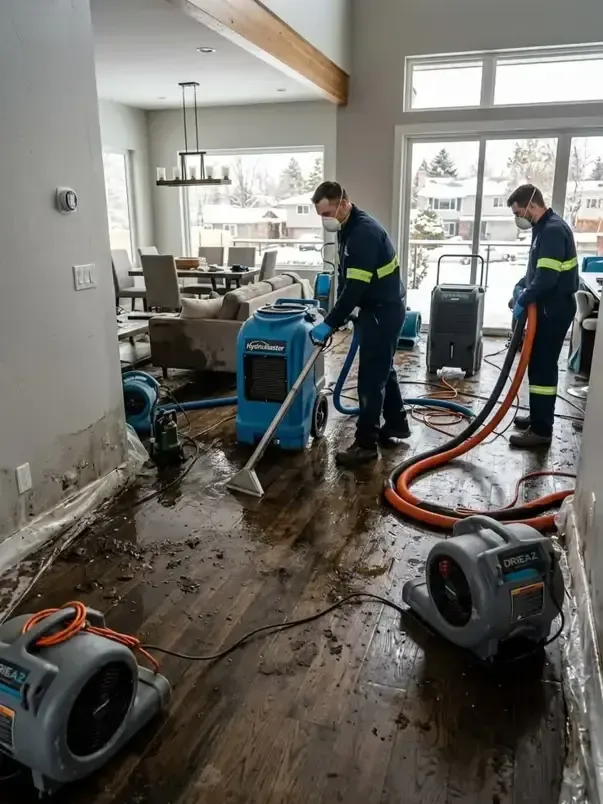
Water Extraction
Remove pooled water before evaluating moisture left behind in floor edges, padding and adjacent rooms.
Water Extraction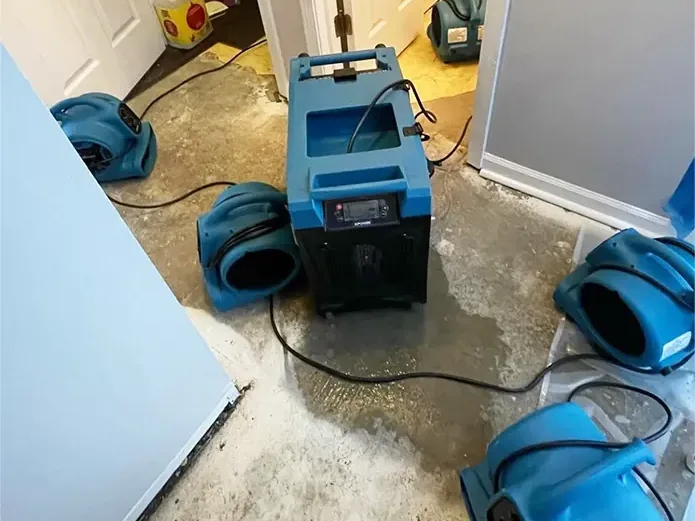
Slab Leak Water Damage
Investigate damp flooring over concrete and coordinate drying with repair of the leaking pipe beneath it.
Slab Leak Water Damage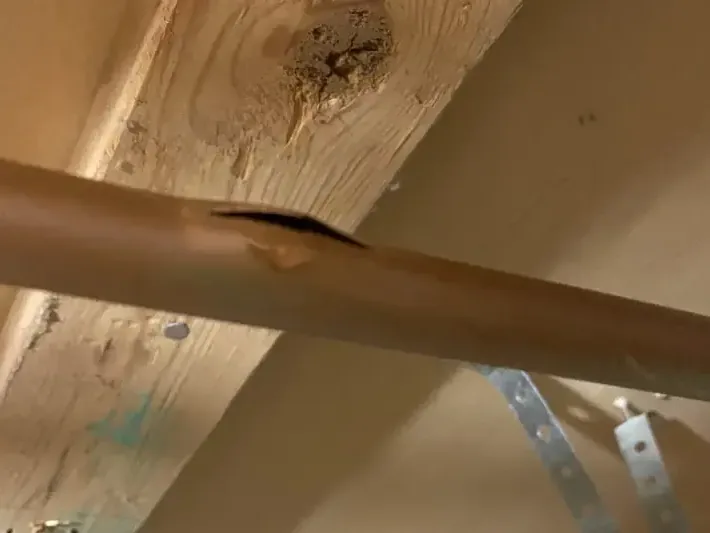
Burst Pipe Water Damage
Trace a sudden supply release through wall openings, lower rooms and materials beyond the visible spray.
Burst Pipe Water Damage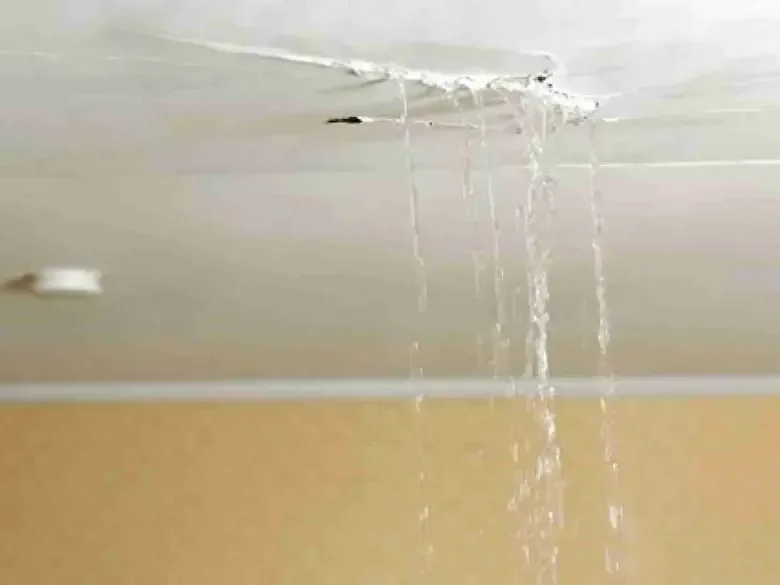
Ceiling Leak Water Damage
Assess overhead wetness, unstable finishes and concealed spaces before planning safe access to the ceiling cavity.
Ceiling Leak Water Damage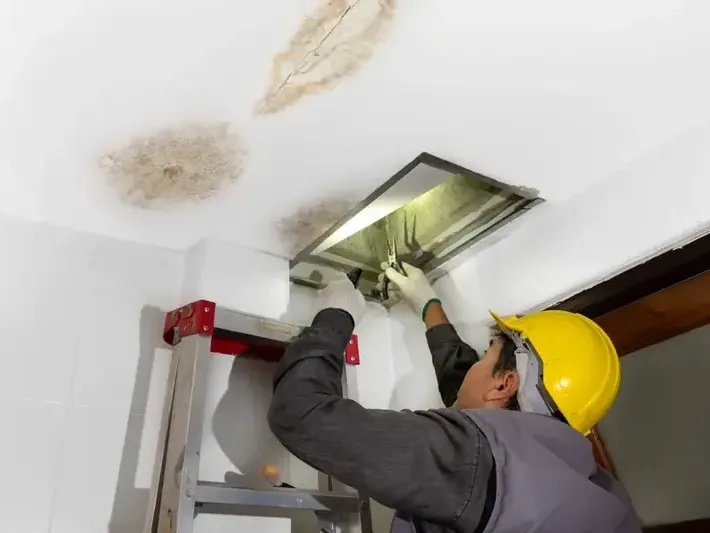
Roof Leak Water Damage
Follow rainwater from its interior entry point through attic materials, ceiling finishes and affected room contents.
Roof Leak Water Damage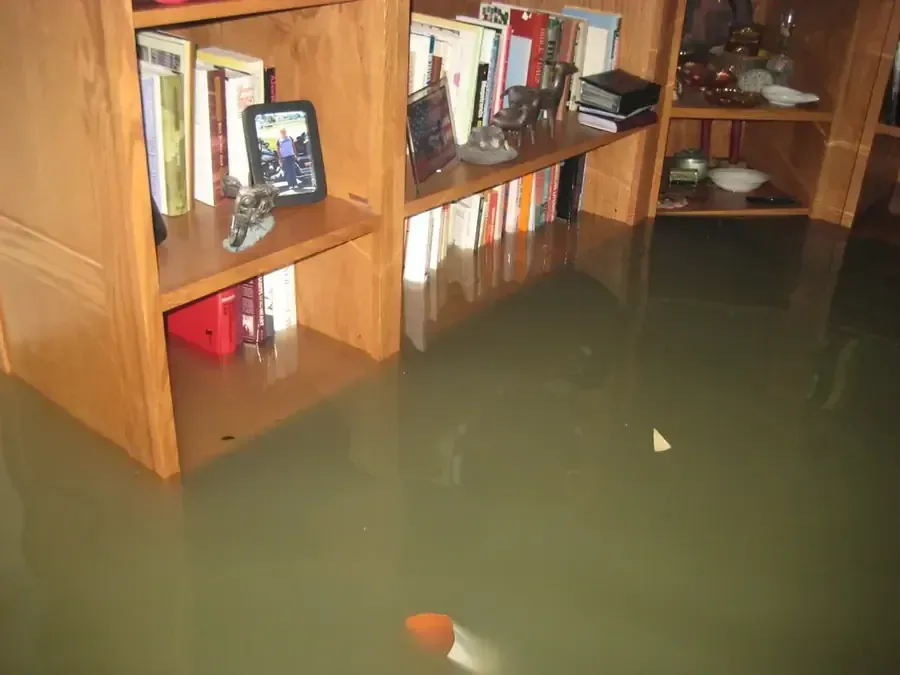
Storm Flood Cleanup
Separate outdoor runoff cleanup from ordinary plumbing losses and address sediment carried into the affected space.
Storm Flood Cleanup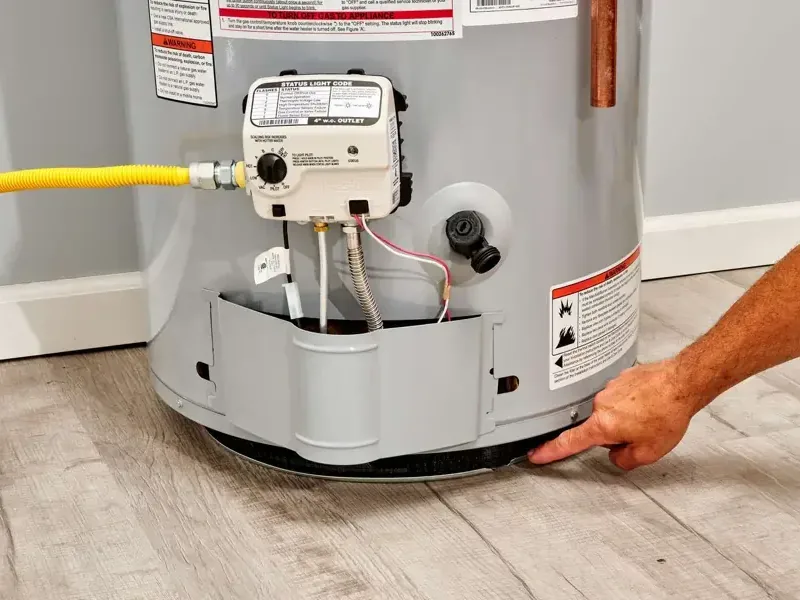
Water Heater Leak Cleanup
Clear water around a leaking tank and check nearby wall bases for moisture beneath finished surfaces.
Water Heater Leak Cleanup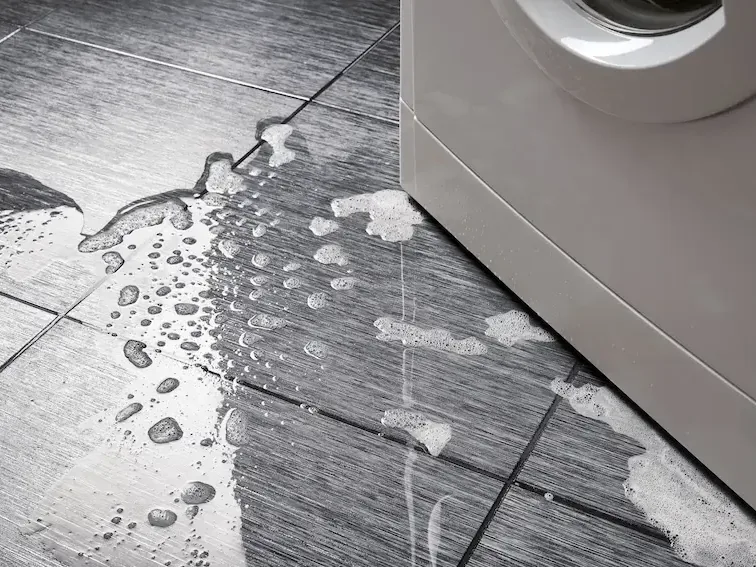
Appliance Leak Water Damage
Reach trapped water under machines, cabinets and flooring after a washer, dishwasher or other appliance leak.
Appliance Leak Water Damage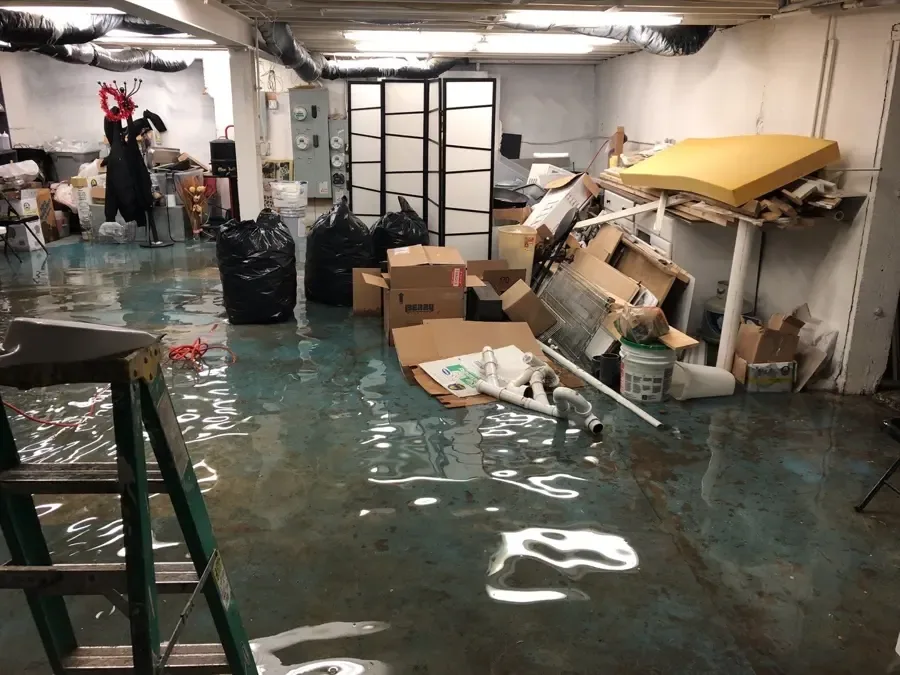
Sewage Backup Cleanup
Isolate wastewater contamination, remove affected porous materials and clean accessible surfaces before the drying phase begins.
Sewage Backup Cleanup
Structural Drying
Use material readings to direct air movement and dehumidification through assemblies that remain wet after extraction.
Structural Drying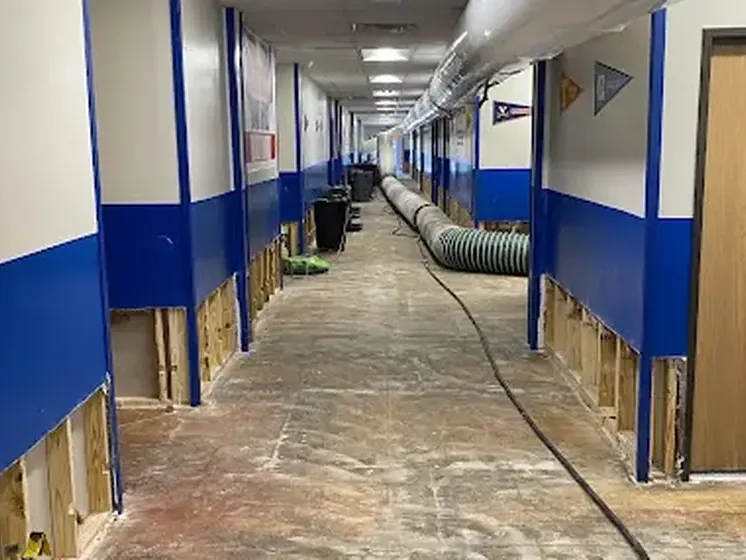
Commercial Water Damage
Organize cleanup around occupied suites, stock, shared access and the building manager's plan for affected areas.
Commercial Water Damage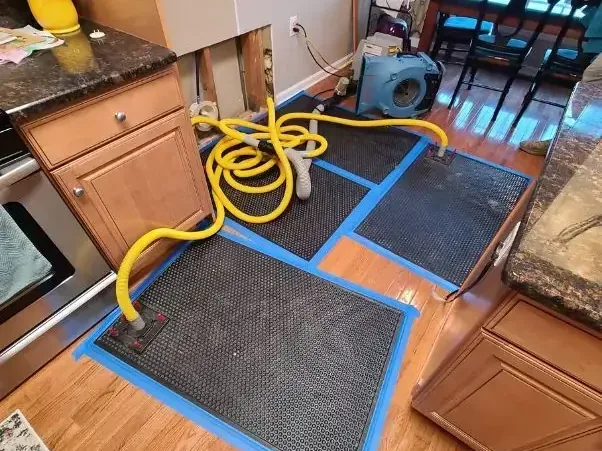
Hardwood Floor Water Damage
Measure wet boards and the substrate beneath them before deciding how the floor can be dried.
Hardwood Floor Water DamageThe work continues after puddles disappear
A room can look improved while its wall base or floor layers still hold water. The drying plan needs a starting moisture map, a safe equipment layout and recorded changes before finishes are closed.
- 1
Establish the boundary
Inspection follows wet surfaces into neighboring rooms and enclosed edges. Dry comparison areas help show where the affected assembly ends and ordinary material conditions resume.
- 2
Recover accessible water
Extraction tackles pooled liquid and moisture that equipment can physically recover. The method changes with the flooring, contamination concerns and access beneath nearby furnishings.
- 3
Set the drying conditions
Air movement and dehumidification address moisture retained inside suitable materials. Doors, containment and equipment placement help manage the space while occupants use unaffected areas.
- 4
Document the endpoint
Material readings are checked again before equipment leaves. Remaining repairs, inaccessible areas and any materials removed during cleanup belong in the final work record.
A cleanup plan with visible decisions
Property owners need to know which rooms are affected, why equipment is there and what happens next. Clear records turn a confusing wet building into a sequence of specific tasks and material decisions.
Local knowledge
South Glendale includes apartments and condominiums. Shared walls and occupied rooms make access coordination part of evaluating a water loss in those buildings.
Clear communication
Each proposed opening should have a purpose, such as reaching trapped water or inspecting a wet cavity. Explain the reason before material removal begins.
Documented drying
Readings tied to identifiable locations show whether a wall or floor is changing. Surface appearance alone cannot describe the moisture inside an assembly.
Practical support
Photographs, scope notes and equipment records help property owners organize the loss. Repair questions can then be directed to the trade responsible for each remaining task.
Different water conditions require different cleanup choices
Supply water indoors
A leaking supply connection can soak clean materials before the water reaches dirtier surfaces. Cleanup considers both its origin and everything encountered along its path.
Explore pooled water removalAppliance discharge
Water escaping a machine may carry residues and collect beneath cabinetry. The appliance connection, surrounding finishes and concealed floor layers each need attention.
See appliance cleanup detailsWastewater intrusion
A backed up drain changes access and handling decisions immediately. Restrict the space while contaminated materials and salvageable hard surfaces are assessed separately.
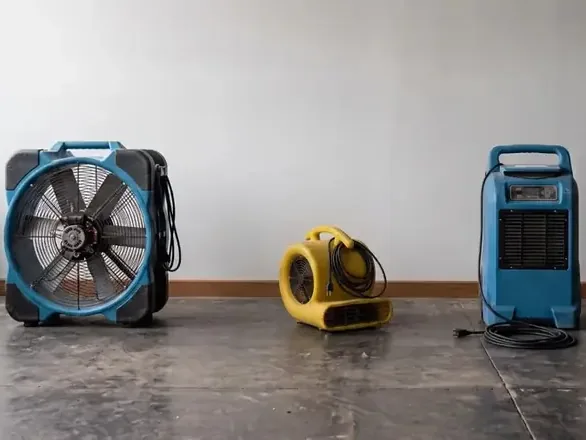
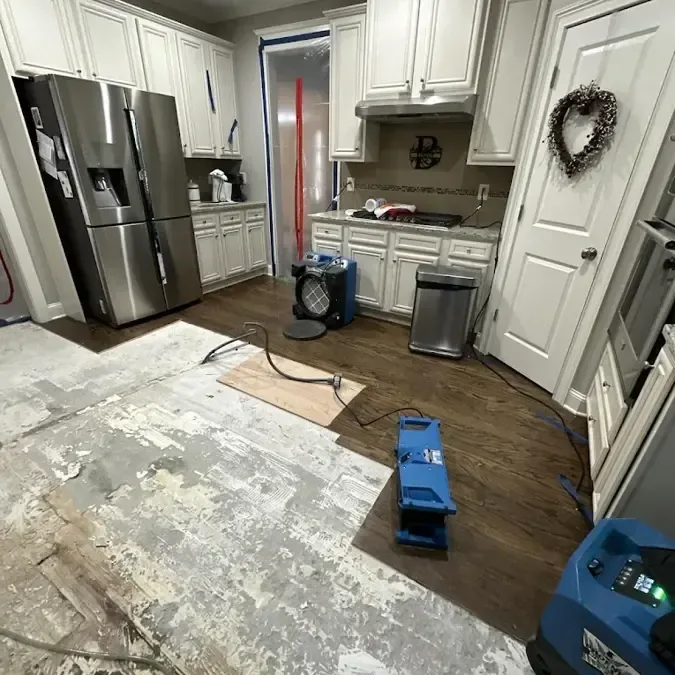
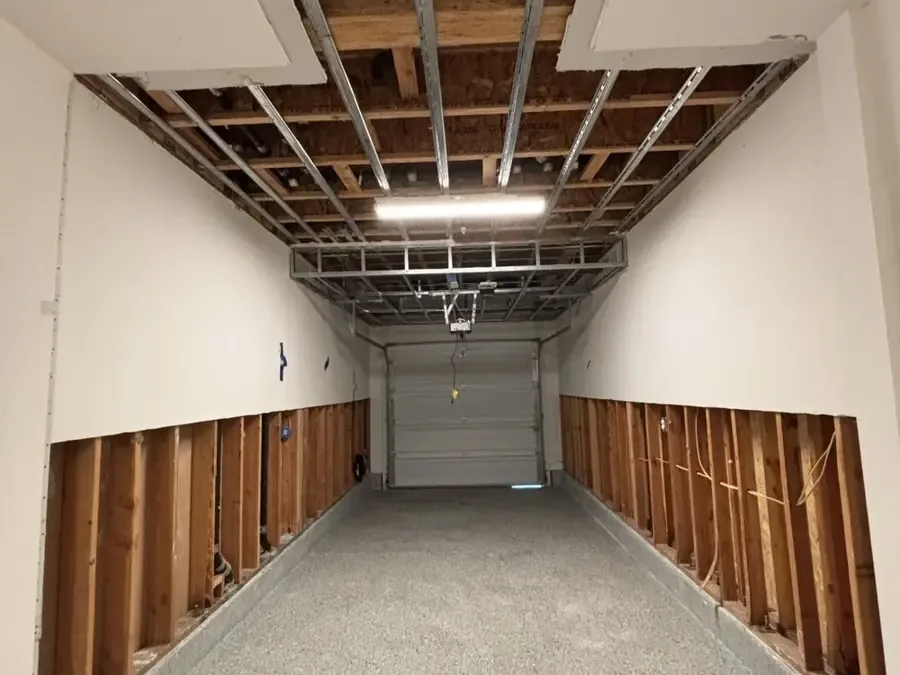
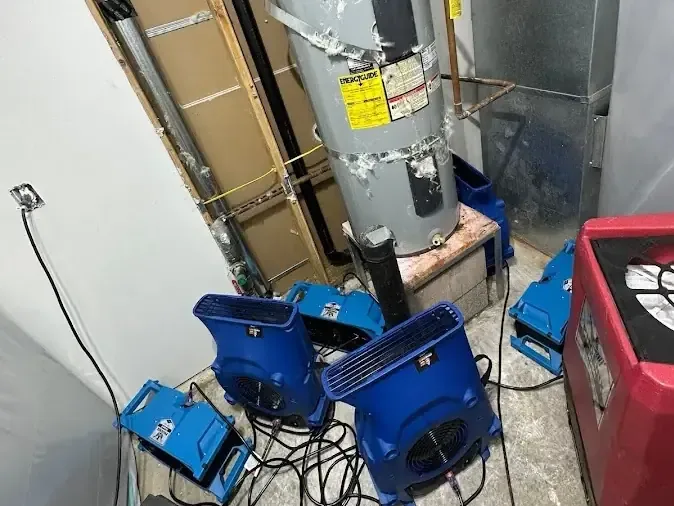
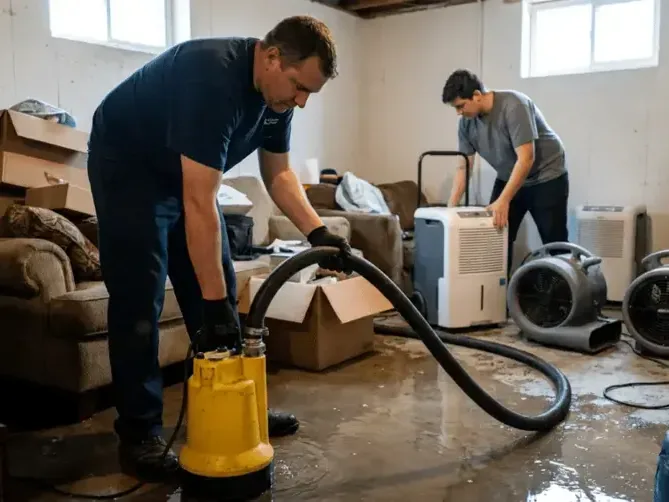
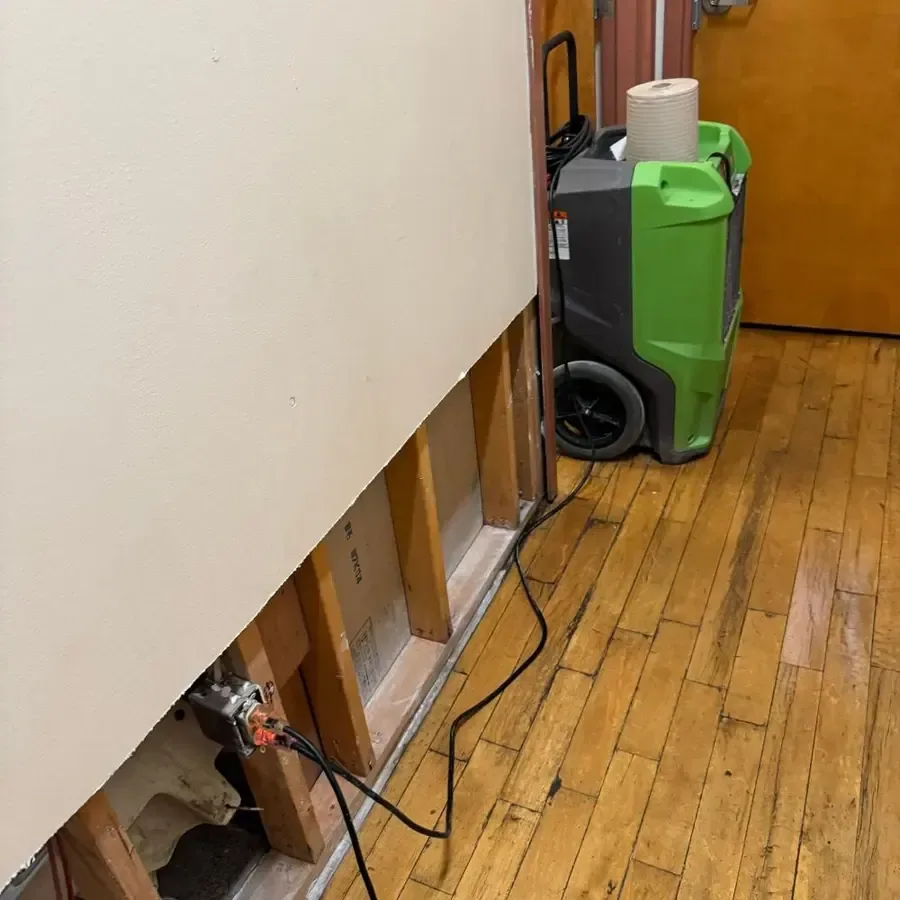
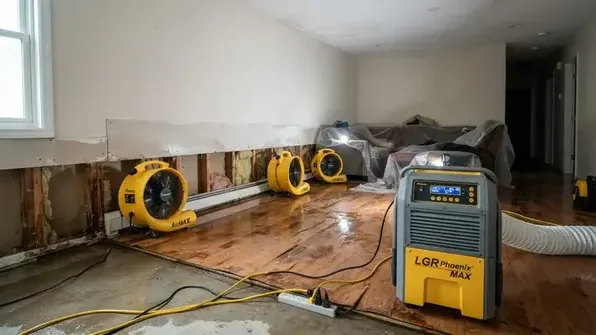
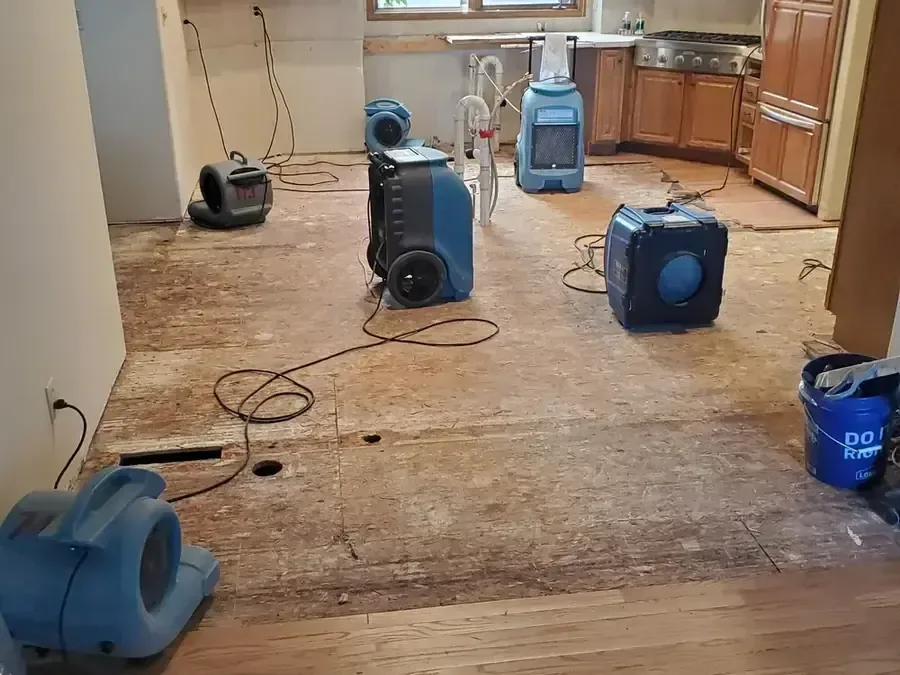
Understand sewage area cleanupExamples of access, extraction and drying equipment
Keep the loss record together
A clear timeline and room inventory help explain the damage. Coverage questions belong with the insurer handling the individual policy.
- Photograph the original water path and visible damage before accessible materials are moved.
- Keep the source repair invoice with the date the problem was discovered.
- List damaged belongings by room, including any items removed during the cleanup.
- Retain the written scope, equipment records and moisture measurements from the work.
- Record insurer communications alongside receipts so requested information stays easy to locate.
When paying directly
A direct payment decision still benefits from a written breakdown. Separate the immediate water removal from drying, demolition and later repairs so the reason for each part of the estimate remains clear.
Ask how the scope changes if hidden wet material appears after access is opened. Written authorization for additional work helps keep the cleanup budget tied to conditions encountered inside the building.
Rain, shared buildings and indoor leaks
Most rainfall in Glendale occurs between November and April. Water inside a building still needs a source investigation that follows the actual entry point and the materials it reached.
Late December 2025: Rainstorms damaged city facilities, sidewalks, roads and a debris basin. Water also entered the first floor of the Glendale Police Department building, a documented example of storm related intrusion into an occupied structure.
- A working flood channel Verdugo Wash provides flood protection through the city. Building cleanup focuses on indoor water paths, affected contents and the conditions around the actual entrance.
- Living above another room South Glendale apartments and condominiums can involve more than one occupied space during a leak. Access above and below a stain helps trace the source.
- Water behind cabinet faces An appliance puddle may disappear beneath a cabinet before it spreads across open flooring. Inspecting concealed edges can reveal additional wet material requiring access.
- Busy mixed use spaces Americana at Brand combines shops, restaurants, apartments and condominiums. Mixed use buildings need clear separation between affected areas, resident access and operating commercial spaces.
- Moisture below the finish A dry looking surface may sit over a damp backing or subfloor. Decisions about replacement and closure depend on measurements from the affected layers.
Questions about a wet building
01What information helps when requesting cleanup for the first time?
Describe where water is visible, whether it is still entering and what caused it if known. Mention overhead damage, unusual odors and electrical equipment nearby. Building access, occupied units and the affected floor help shape the first inspection.
02Does a dried puddle mean the floor is ready?
The exposed surface may dry before padding, adhesive or subfloor layers. A moisture assessment checks those materials where access allows. Covering the area too early can hide a problem that still needs extraction, targeted drying or selective removal.
03Can cleanup begin while the plumbing repair is being arranged?
Safe water recovery and source repair can be coordinated, but ongoing leakage changes the plan. The leaking component needs attention from the appropriate trade. Cleanup then follows the released water through the materials and rooms it has already affected.
04How are apartments and condominiums handled after an overhead leak?
The inspection follows the water without assigning a cause from the stain alone. A building manager may need to arrange access to another room or common space. Photographs and moisture locations help connect the findings across the affected areas.
05Should a swollen ceiling be opened by the occupant?
A sagging area can release water or material unexpectedly. The space beneath it should remain clear until conditions are assessed. Opening a ceiling involves checking overhead hazards, controlling falling debris and planning access to wet insulation or framing.
06What changes when drain water has entered the room?
Wastewater requires a controlled cleanup area and decisions about contaminated porous materials. Ordinary household fans should stay out of the affected space. The drain problem and the interior cleanup both need attention before normal use of the room resumes.
07Can furniture stay in the room during drying?
Placement depends on the wet materials, contamination and required airflow. Some belongings can be protected or moved into an unaffected area; others need separate assessment. Equipment access and electrical safety must remain clear throughout the drying work and subsequent checks.
08Are insurer payments decided by the cleanup provider?
The insurer determines coverage under the property policy. Cleanup documentation can describe observed damage, actions taken and drying progress, but it cannot decide the claim. Keep source repair records and written estimates together for questions about the particular loss.
09What should be resolved before new finishes are installed?
The source should be corrected and the remaining assembly assessed for dryness. Replacement materials need suitable underlying conditions. The work record should identify removed finishes, any inaccessible locations and the repairs still needed before a room returns to normal use.
Put the wet rooms into a workable sequence
From the first puddle to the final material check, cleanup should follow the damage through the building. Describe the affected space to begin planning water removal and drying.
La Crescenta Water Damage Restoration · La Crescenta, CA