Water Damage Restoration in Burbank
A soaked room needs more than a towel at the doorway. Burbank water damage restoration starts with the source, follows moisture into adjoining materials, and sets out a clear plan for removal, cleaning and measured drying.
(888) 578-6508Discuss the wet rooms todayDescribe the leak location and any unsafe areas before arranging property access.
Make the first decisions safely
- 1
Keep the room clear
A sagging ceiling, electrical equipment in water or sewage on the floor changes access immediately. Keep occupants away until the specific hazard has been assessed.
- 2
Stop accessible clean water
An accessible fixture shutoff may stop a supply leak. Leave submerged controls, unfamiliar valves and appliance utility connections alone; the source may need a qualified repair trade.
- 3
Record the starting condition
Photograph water marks, affected possessions and the source from a dry position. Save messages describing when the problem appeared and when water release was stopped.
- 4
Notify the property contact
Tenants should tell the owner or manager which rooms are affected. Owners should identify who can authorize access, material removal and separate plumbing or appliance repairs.
- 5
Describe what remains wet
Mention floor coverings, cabinets, overhead drips and any water still moving between rooms. Those details help distinguish removal needs from the drying work that follows.
Choose the problem affecting the property
Different water losses need different starting points. Select the affected material or source below for practical cleanup details, questions to ask, and the work that may follow initial removal.
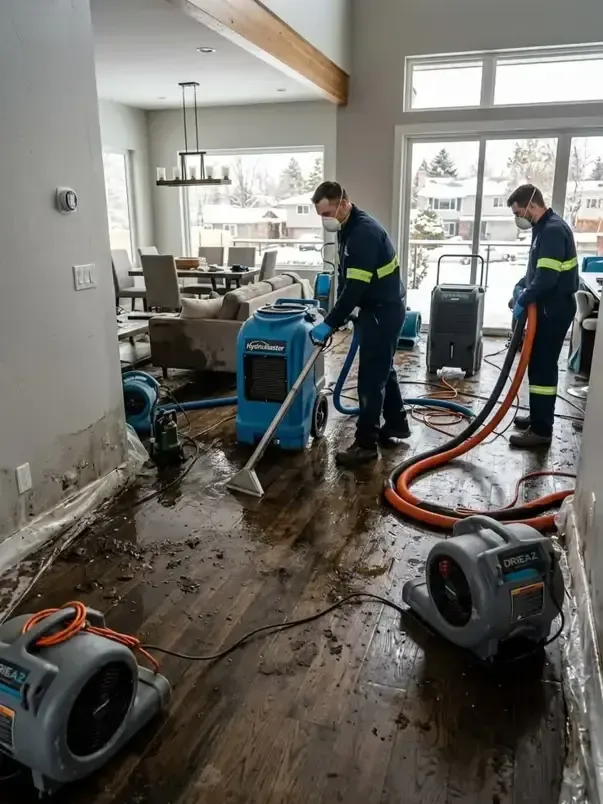
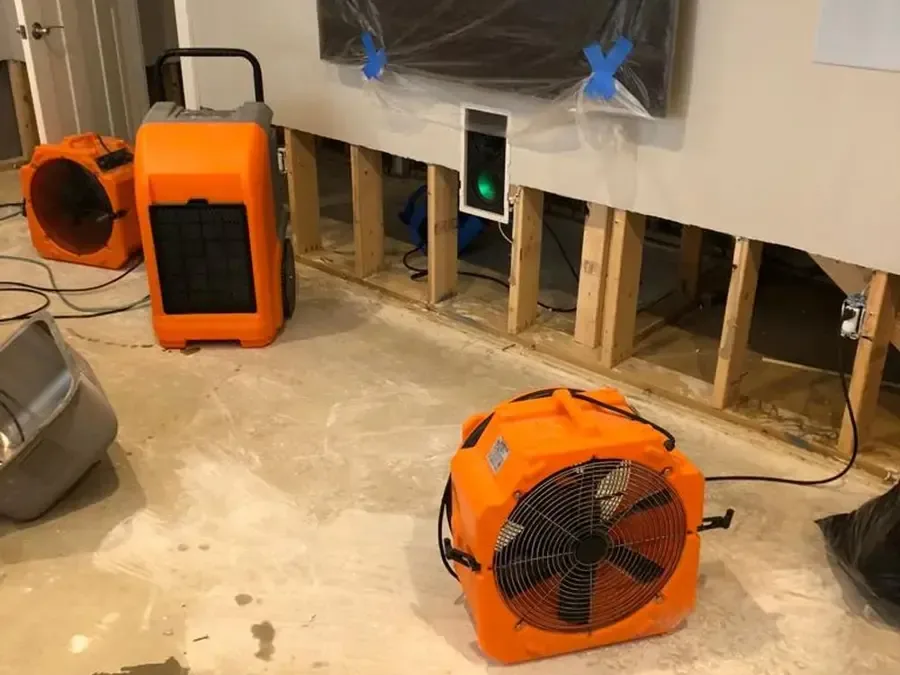
Water Extraction
Extraction reaches low areas and floor edges that household cleanup misses.
Water Extraction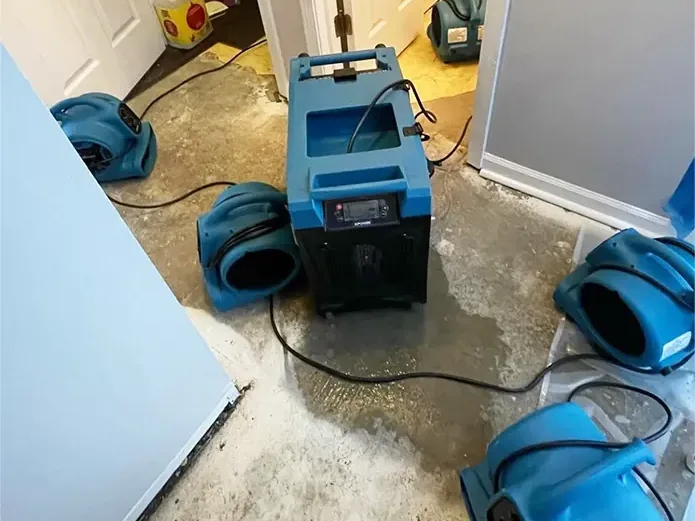
Slab Leak Water Damage
Below floor leakage needs source repair coordination and attention to materials over concrete.
Slab Leak Water Damage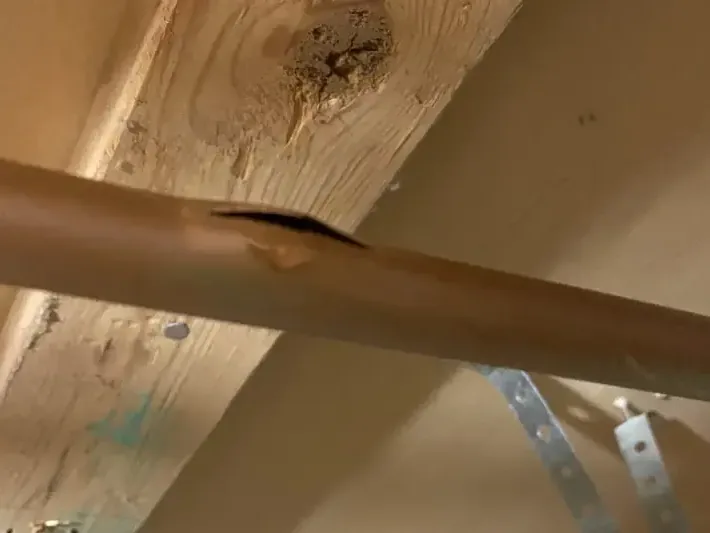
Burst Pipe Water Damage
A sudden supply release can soak adjoining rooms before the visible puddle shows its full reach.
Burst Pipe Water Damage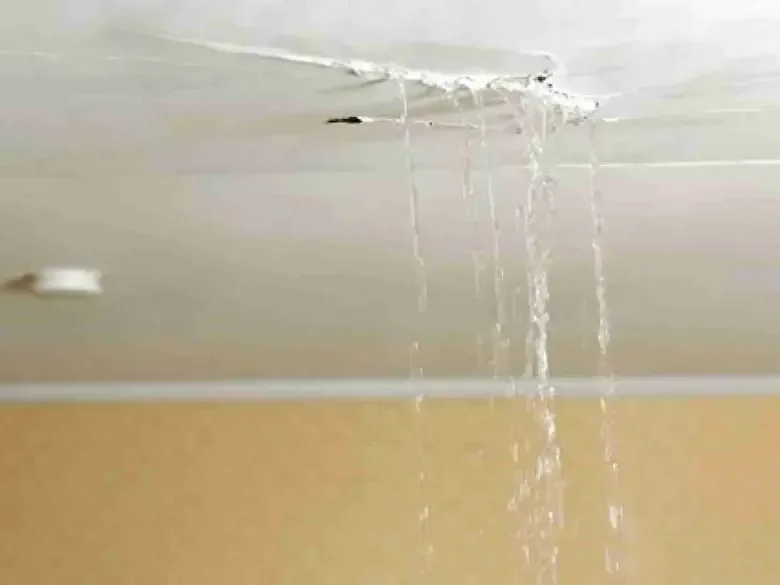
Ceiling Leak Water Damage
Overhead drips require safe access, source inspection and attention to wet ceiling materials.
Ceiling Leak Water Damage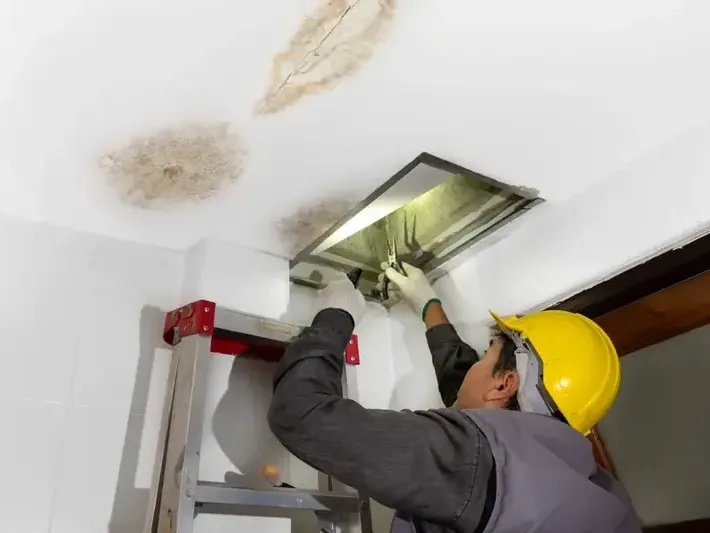
Roof Leak Water Damage
Rain entering through roofing can travel through insulation and framing before appearing on an interior finish.
Roof Leak Water Damage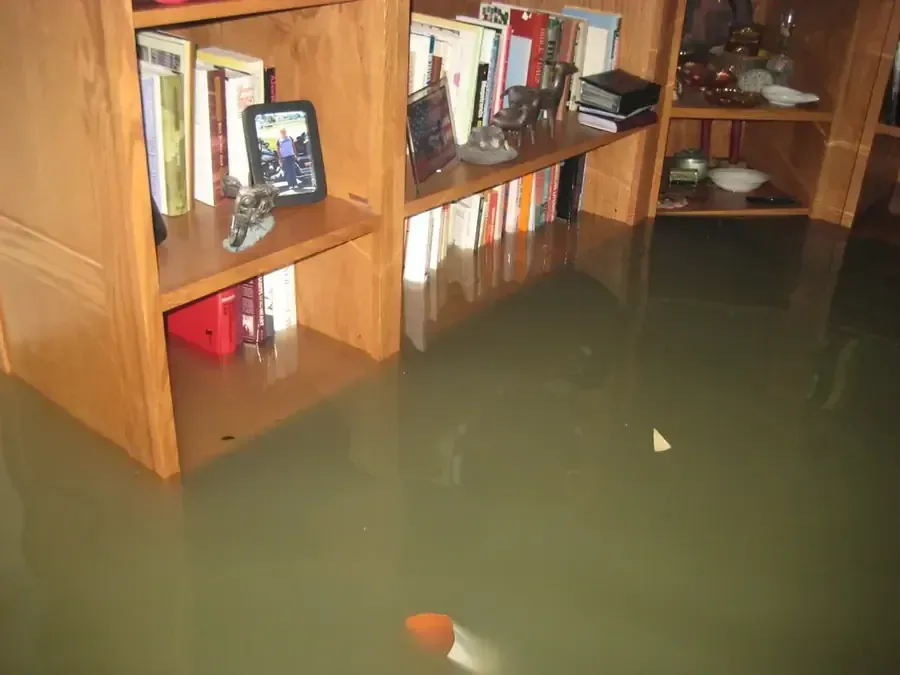
Storm Flood Cleanup
Water entering from outdoors changes cleanup decisions for debris, porous belongings and surfaces along the entry path.
Storm Flood Cleanup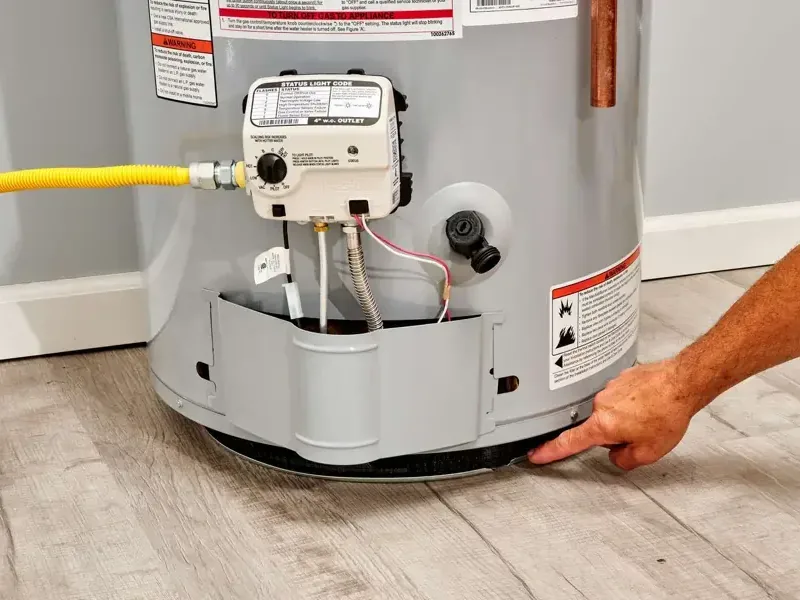
Water Heater Leak Cleanup
Tank leakage can wet a utility area and adjoining floor edges even after the appliance stops releasing water.
Water Heater Leak Cleanup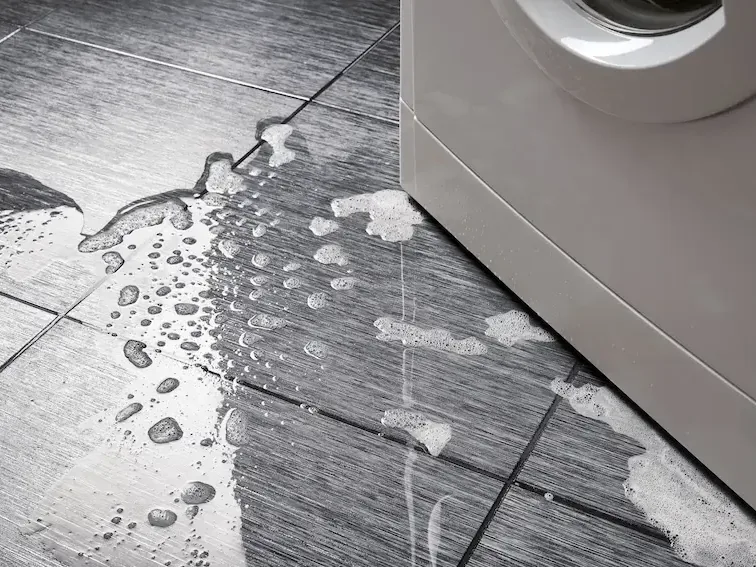
Appliance Leak Water Damage
Hidden water behind a washer or dishwasher needs cabinet, flooring and wall checks beyond the appliance footprint.
Appliance Leak Water Damage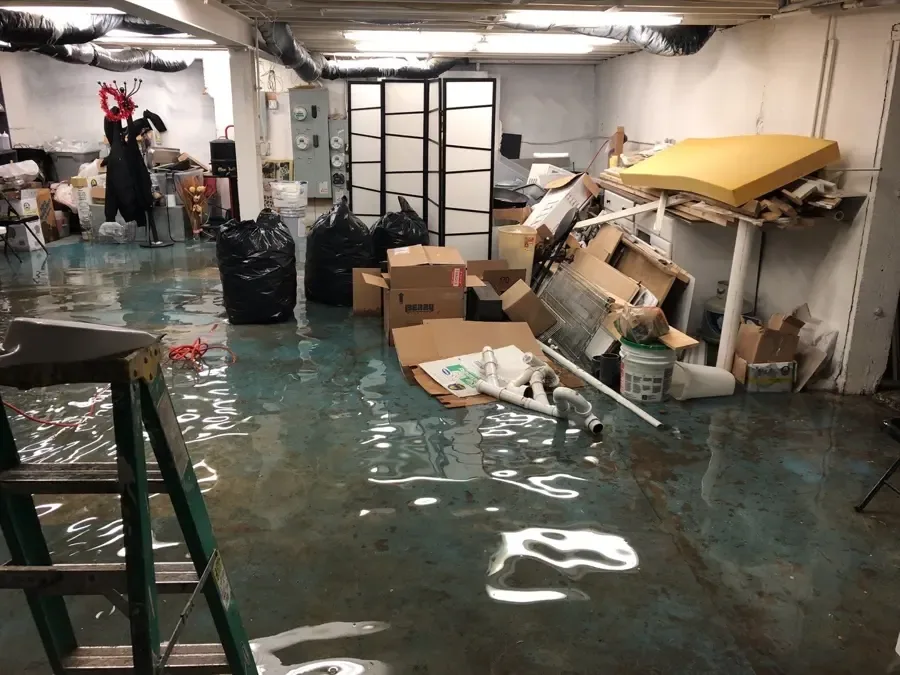
Sewage Backup Cleanup
Wastewater requires controlled access, contaminated material assessment and cleaning before remaining structural surfaces can be dried.
Sewage Backup Cleanup
Structural Drying
Moisture measurements determine equipment placement and reveal whether enclosed assemblies need more access as the work progresses.
Structural Drying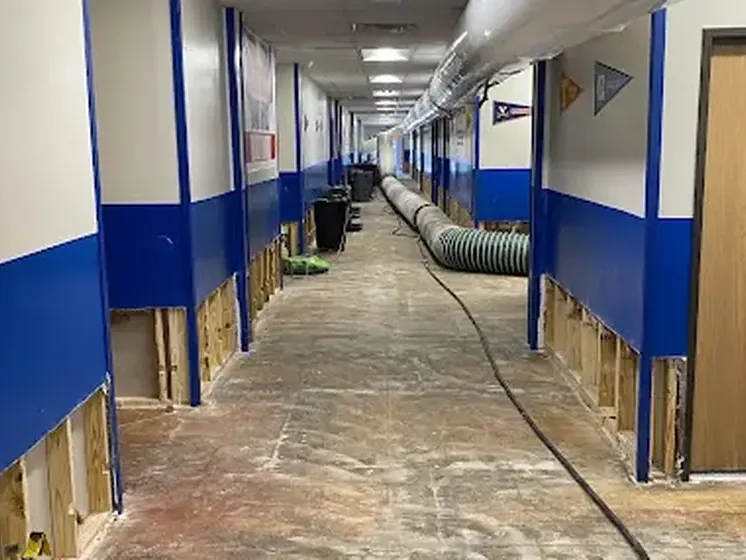
Commercial Water Damage
Business cleanup planning includes occupied areas, tenant coordination, equipment placement and records for the property decision maker.
Commercial Water Damage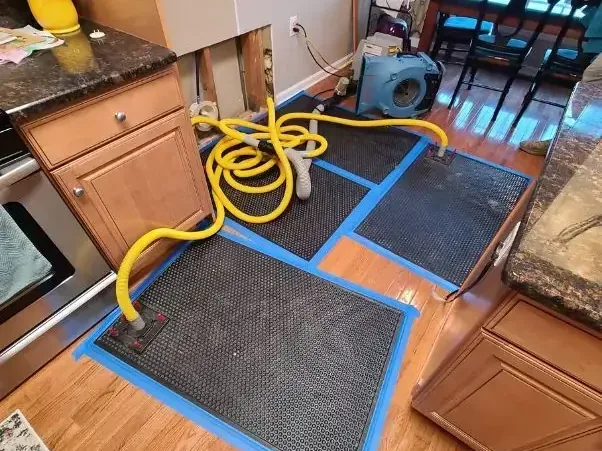
Hardwood Floor Water Damage
Wet boards need an assessment of their condition and substrate before refinishing or replacement decisions are made.
Hardwood Floor Water DamageDrying follows the water through the building
The visible surface is only the starting point. A useful cleanup plan connects the source, the measured wet area, the materials retained and the checks needed before the building is closed up again.
- 1
Map the wet boundary
Readings around the affected room establish where moisture changes. Doorways, cabinet ends and adjoining walls help define the area requiring further inspection or access.
- 2
Remove recoverable water
Extraction reduces the water available to soak deeper into materials. Equipment and methods should suit the surface, water condition and access available within the room.
- 3
Expose obstructed drying paths
Saturated layers can prevent air from reaching wet framing or flooring. Selective access makes those spaces reachable while documenting which materials could not remain in place.
- 4
Track the drying response
Repeat measurements show whether retained materials are moving toward the selected goals. Adjustments follow those readings before equipment removal or decisions about replacement finishes.
A clear scope reduces cleanup confusion
Homeowners need to know what is wet, why a material needs attention and what happens next. Good documentation makes that conversation practical, especially when an occupant, property manager and insurer each need different parts of the record.
Source control
The cleanup scope identifies the active water issue and the separate repair needed to stop it, keeping drying decisions connected to the condition of the property.
Moisture mapping
Written locations and material readings help explain why a room beyond the visible puddle needs inspection, or why equipment remains after the surface appears dry.
Material decisions
Removal decisions should identify the affected layer and its condition. That gives the owner a clearer basis for discussing salvage, disposal and later replacement work.
Documented progress
Progress records tie equipment changes to measured conditions. They also provide a useful handoff when another trade returns to replace flooring, trim or wall finishes.
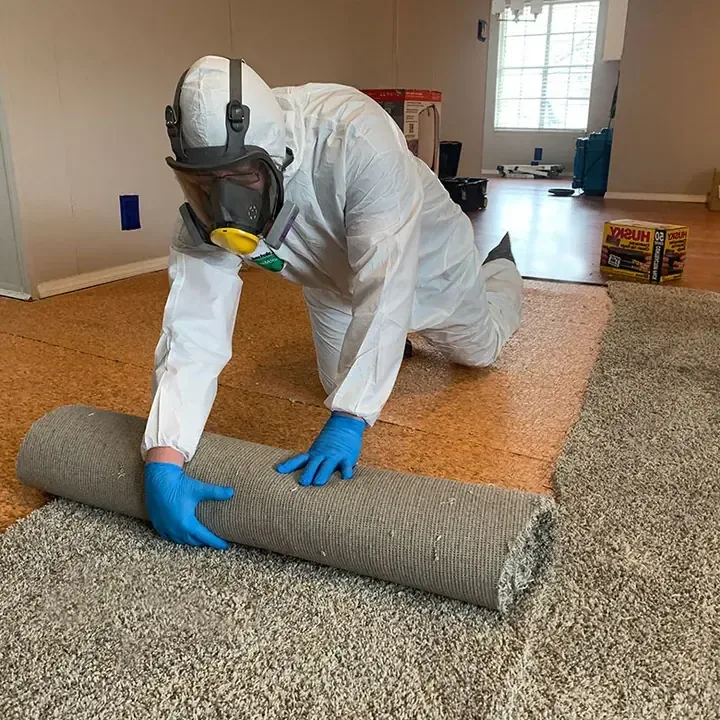
The cleanup method starts with the source
Fresh supply release
Water from a supply connection needs prompt assessment of everything it touched. Surface removal and concealed moisture checks work together after source control.
Explore pooled water removalAppliance related leakage
A leaking machine may release supply water or used wash water. Identifying the cycle, contents and affected surfaces helps shape material handling and cleaning decisions.
Inspect the appliance footprintWastewater intrusion
Sewage changes access and disposal needs. Contaminated porous materials require assessment before cleaning exposed surfaces and drying the structural materials that remain in place.
Understand contaminated room cleanupExamples of access, removal and drying setups
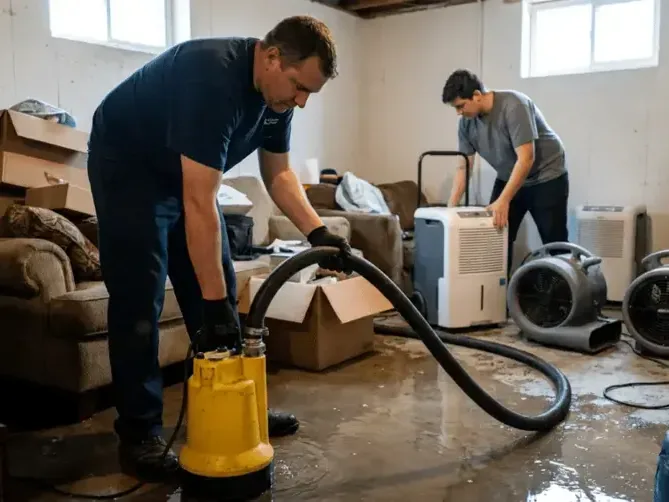
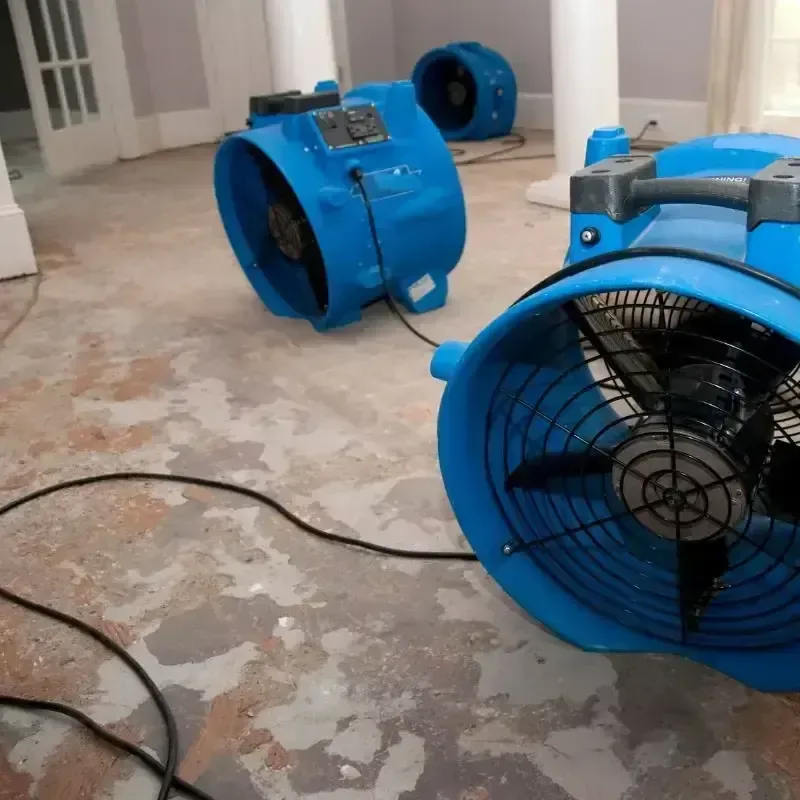
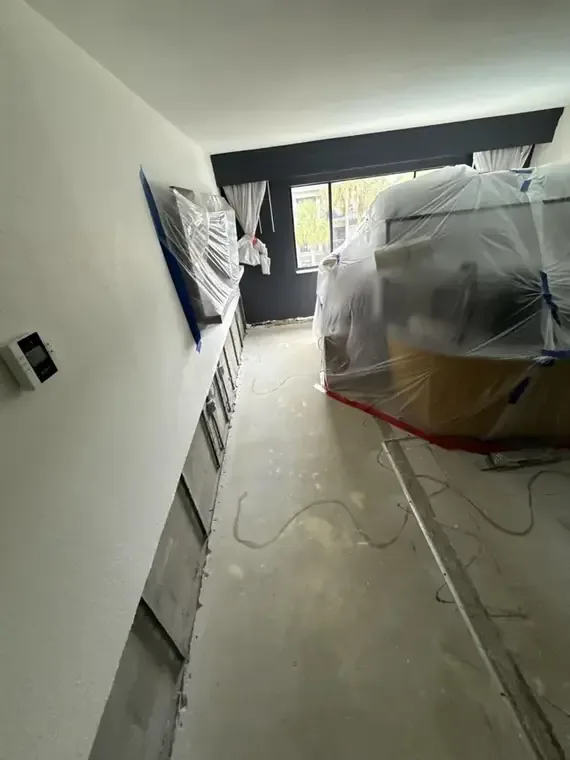
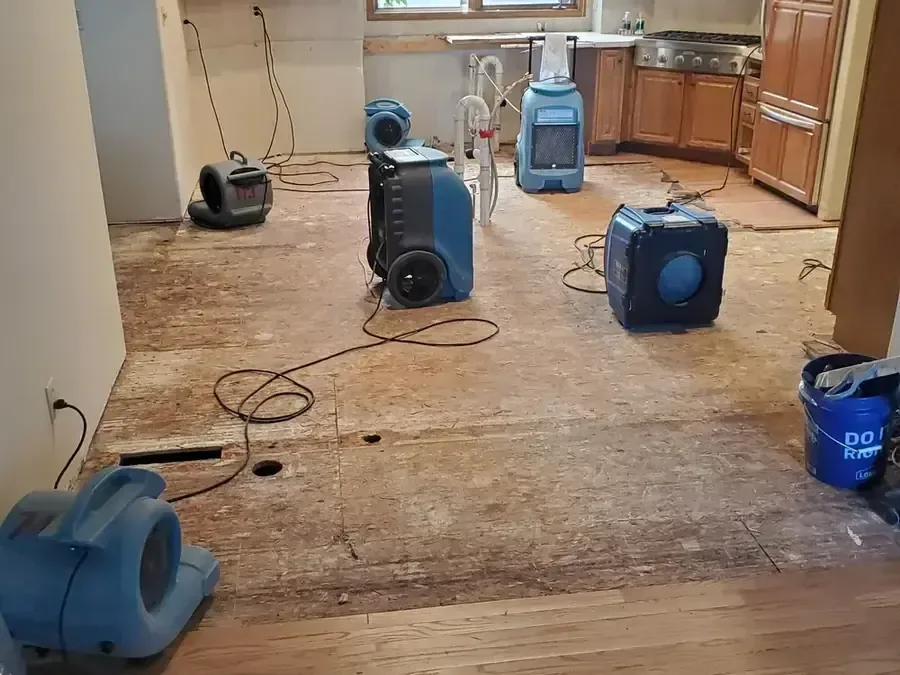
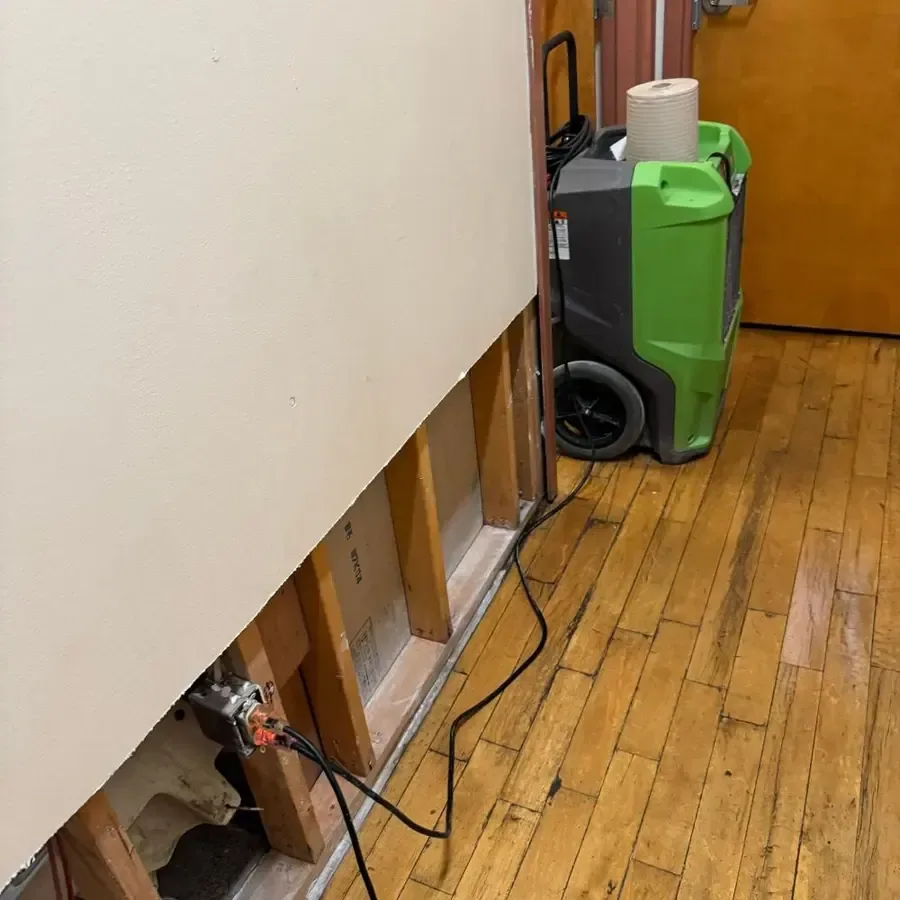
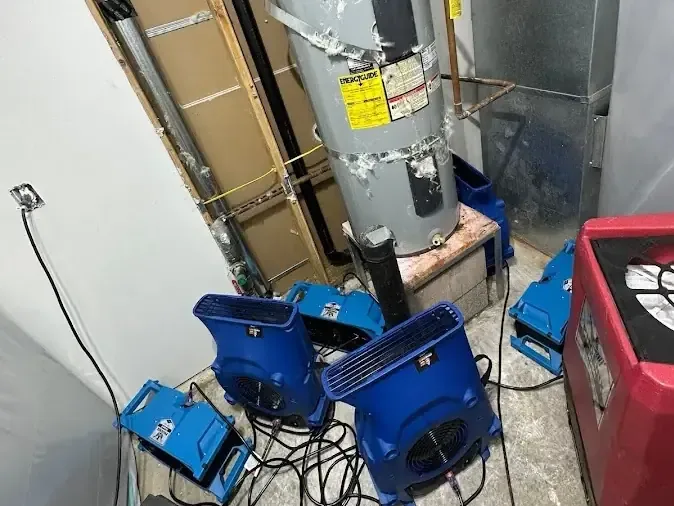
Document the loss as it develops
A practical claim record separates the original damage, emergency cleanup decisions and later repairs, making conversations with the insurer more specific.
- Capture wide room photographs and closer images of damaged finishes before movable items are relocated.
- Keep the source repair invoice with the initial water damage photographs and notes.
- Save item descriptions, purchase records and photographs for belongings affected by the release.
- Request a written breakdown of material removal, cleaning, equipment and measurement visits.
- Retain progress readings and final condition records alongside correspondence about the insurance claim.
When paying directly
A direct payment project still benefits from a written scope. Ask which rooms are included, what might change after materials are opened, and how additional work will be explained before it proceeds.
Separate urgent mitigation from finish choices. The decision to remove water can come before a decision about replacement flooring, but the owner needs to understand how each step affects the overall restoration budget.
Local settings shape practical questions
The city combines a downtown and foothill section with a flatland section. Building age, occupancy and the actual path of water help determine what needs inspection after a loss.

1971 San Fernando earthquake: Broken pipes and sprinkler risers caused flooding in city buildings during the San Fernando earthquake. That history highlights why a sudden interior release deserves attention to the source and every room it reached.
- Older housing More than 62% of the city's housing stock was built before 1970. Inspect wall and floor layers before choosing removal or drying access.
- Magnolia Park homes Most homes in Magnolia Park date to the 1940s. Repairs and alterations make a room by room inspection useful when water moves behind cabinets or beneath finishes.
- Winter rainfall January and February receive the most precipitation. Interior roof stains, wet thresholds and damp upper walls deserve prompt attention when rain reveals an opening in the building envelope.
- Rental communication In 2020, 58.1% of occupied housing units were renter occupied. Early contact with the property decision maker helps organize entry, source repairs and authorization for necessary removal.
- Business interiors Downtown restaurants and Magnolia Park boutiques have different contents and access needs. A cleanup plan should identify affected stock, working areas and the route used for equipment.
Questions before a water damage visit
01What information helps describe a new water loss?
Start with the room where water appeared, whether the source remains active and which surfaces are wet. Mention overhead sagging, electrical exposure or sewage separately. Photos from a safe location can help show the spread without entering a hazardous area.
02Can a floor look dry while damage remains?
Yes. The top surface can dry before moisture leaves an underlayer, wall base or cabinet enclosure. Material readings help distinguish a dry appearance from actual drying progress. A separate check beneath removable edges may be needed when the surface blocks access.
03Should a tenant contact the property owner first?
Prompt notification helps coordinate the repair and restoration response. The occupant should describe the rooms affected and any active leakage, then keep a record of that communication. The owner or manager can identify who authorizes entry and work on building materials.
04Does household ventilation replace professional drying?
Opening a window does not measure moisture or establish a drying plan. Weather, material type and enclosed spaces all affect the result. Equipment selection should follow an assessment of the wet structure, with repeated readings to determine whether the approach is working.
05How are wet belongings handled during the visit?
Items are considered by material, water exposure and condition. Record them before disposal or movement whenever safe. Some contents may need separate cleaning or specialist assessment, while other items prevent access to wet flooring and must be relocated carefully during cleanup.
06Can a damaged ceiling be left alone overnight?
A bulging or actively leaking ceiling needs restricted access because material may fall. Keep people out of the area beneath it and avoid poking holes into the surface. The source and the overhead assembly need assessment before anyone starts handling saturated material.
07What makes sewage cleanup different from a pipe leak?
Wastewater introduces contamination concerns that affect access, protective measures and disposal decisions. Household fans can spread dirty droplets or dust and should not be used indiscriminately. Cleaning exposed surfaces and evaluating affected porous materials come before drying the structure that will remain.
08Will the cleanup estimate include repairing the source?
The estimate should state what is included. Plumbing, roofing or appliance repairs may be handled separately from extraction and drying. Keeping those charges distinct helps the owner understand the emergency work, any remaining repairs and the cost of restoring finishes afterward.
09What records support a later repair decision?
Useful records include initial photographs, locations of moisture readings, materials removed and final measurements. They show the condition of retained assemblies before replacement finishes are installed. The owner can then discuss repairs with a clear account of the areas that received attention.
Turn a wet room into a clear plan
A useful response starts with the actual conditions inside the property. Describe the release and affected materials to discuss removal, safe access, drying and the records needed afterward.
La Crescenta Water Damage Restoration · La Crescenta, CA