Burst Pipe Water Damage in La Crescenta, CA
A split supply pipe can send water through several rooms before the main closes. La Crescenta mitigation crews follow the release through wall cavities and flooring, then separate plumbing repair from extraction and drying.
(888) 578-6508Stop the spread beyond the broken pipe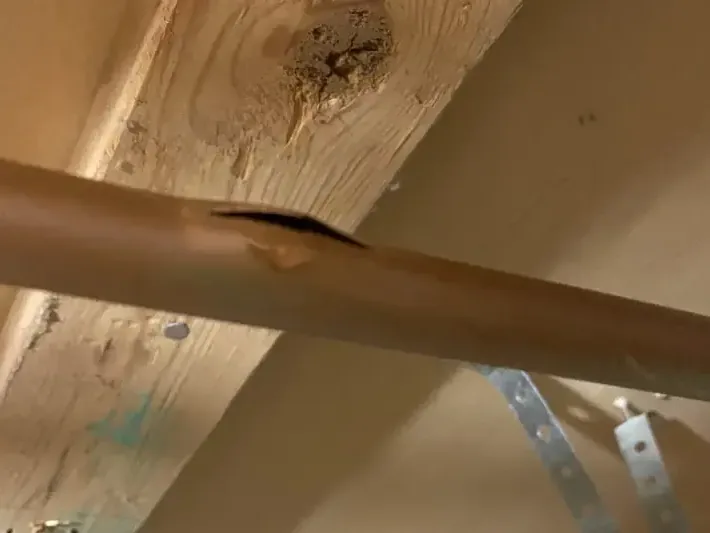
The sound of escaping water can stop while the building keeps absorbing moisture. A burst-pipe assessment follows the route from the failed fitting into wall bottoms, floor seams and the room below. The restoration technician records where water traveled, not merely where the broken pipe is visible.
First steps for burst pipe water damage in La Crescenta
Close a reachable valve
An occupant can isolate a fixture or main supply from a safe, dry position. If reaching it requires entering a hazardous room, professional help comes first.
Keep power hazards separate
Residents avoid switches, cords and equipment in the wet area. A qualified electrical professional assesses exposed circuits before the restoration crew operates equipment nearby.
Describe the water path
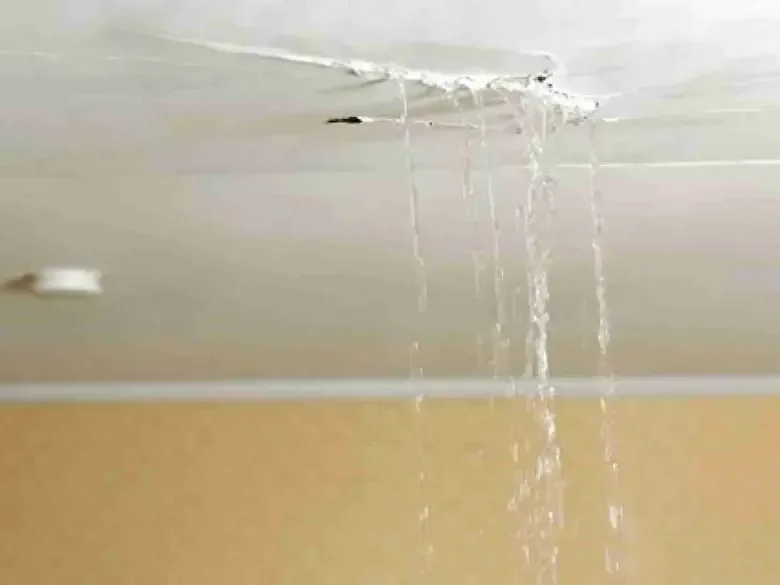
The household notes which rooms, ceilings and levels changed after the break. Those observations help the assessor locate spread that a single-room view could miss.
Preserve the failed component
When practical and safe, the owner asks the plumber about preserving source evidence for the insurer. Documentation should precede disposal without delaying necessary source control.
How burst pipe water damage is handled in La Crescenta
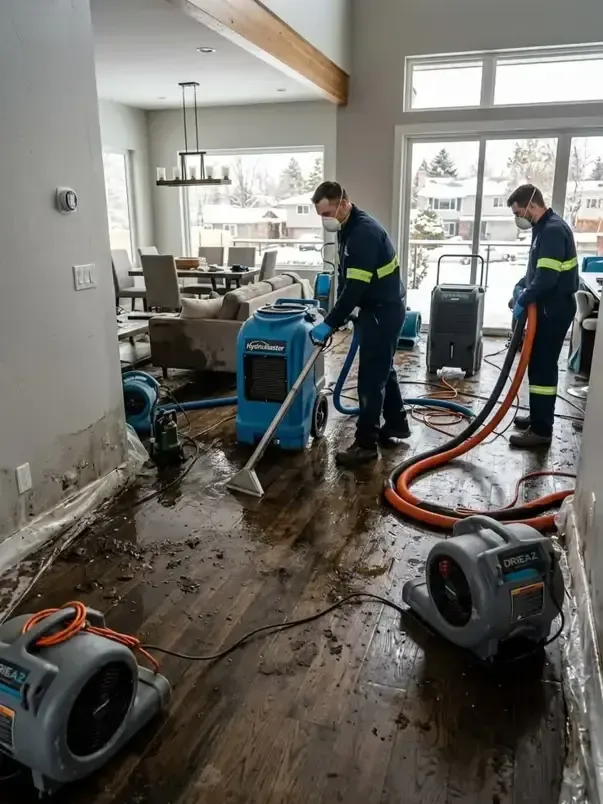
The mitigation crew establishes a moisture baseline, selects equipment for the affected assemblies and checks progress against dry reference materials. Recorded readings guide adjustments and the final equipment removal.
- 1
Confirm isolation
The lead technician establishes that the release has stopped and identifies remaining hazards, then records the source location and the rooms showing moisture.
- 2
Extract and expose
The crew recovers standing water and creates selective access where readings show trapped moisture, keeping unnecessary demolition out of the mitigation scope.
- 3
Dry connected materials
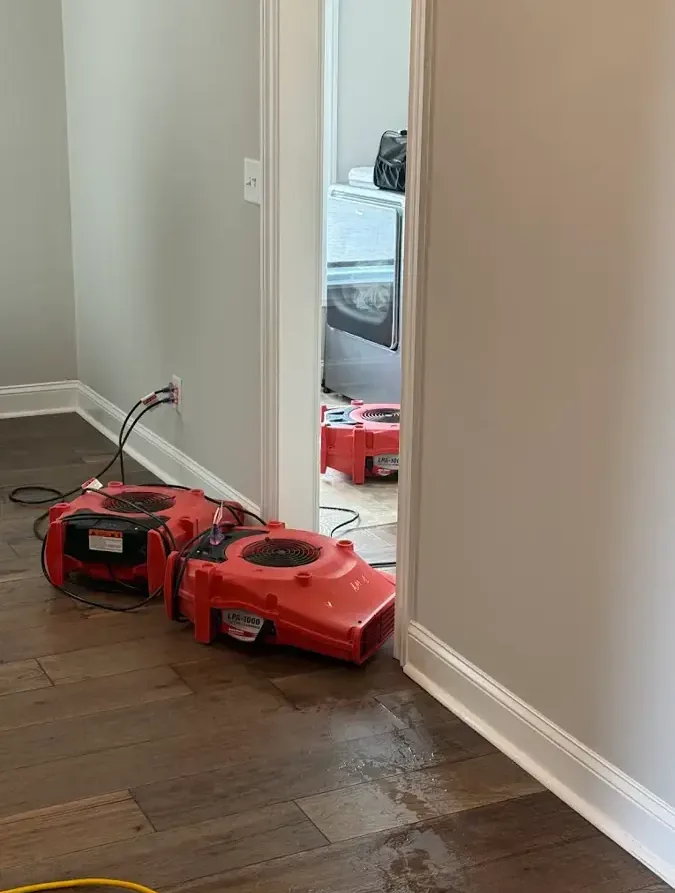
The drying technician positions air movers and dehumidifiers to address the wall and floor assembly together, checking adjoining dry-looking areas for delayed moisture migration.
- 4
Record the handoff
Final readings, photographs and remaining repair requirements go into the job record. The contractor explains which materials reached the goal and which need replacement.
Following a supply release through the building
Much of the housing identified by County Planning predates 1979. The pipe-break investigation identifies the failed component and the materials around it before choosing access. In Montrose, the technician checks the actual plumbing access and wall construction. Along Foothill Boulevard, a release within one occupied unit may also require inspection of an adjoining space when the moisture pattern crosses the boundary.
A clean supply source can become more difficult to manage as water contacts dirty materials or remains trapped. The assessor considers elapsed time and contact conditions before recommending salvage. A narrow pipe opening can conceal a broad wet cavity, so meter readings guide the access plan.
- Record the plumber's source findings and the time the supply stopped.
- Check the base of walls on both sides of the affected partition.
- Inspect thresholds and lower rooms when gravity creates another moisture route.
Pipe-loss safety and selective opening
The household stays clear of ceiling bulges and electrical equipment in the water path. Technicians plan access after safety checks and photograph the intact assembly before removal. For a home near Pennsylvania Avenue, the plumber identifies the pipe material and failure mechanism through direct inspection. The work follows what the plumbing professional and moisture assessment actually find.
Insurance documentation: keeping repair evidence distinct from drying evidence
The plumber documents the failed component and repair. The mitigation crew adds initial photographs, a moisture map, the water category, equipment placement and daily material readings. That combined record helps the owner explain both the source and the extent of damage. The itemized scope should identify drying separately from replacement drywall, painting and other reconstruction.
The owner discusses sudden-and-accidental coverage and any exclusions directly with the insurer. The EPA WaterSense resources explain attention to household leaks, while County permit information helps identify questions before permanent building repairs.
Burst pipe water damage across La Crescenta and Los Angeles County
The restoration team serves La Crescenta, CA, including ZIP 91214 and 91224. Properties around Foothill Boulevard, Montrose and Pickens Canyon Park receive moisture assessment according to the actual source, access and affected materials.
Nearby coverage reaches La Canada Flintridge, Glendale, Burbank, Pasadena, South Pasadena.
Related water damage services in La Crescenta
Burst Pipe Water Damage questions in La Crescenta, CA
01Is a pipe repair enough after a large release?
No. A successful repair stops new water, but soaked finishes can remain wet. Extraction and a moisture survey determine what the structure still needs.
02Should a resident cut open the wall?
Unplanned cutting can expose wiring, plumbing and unsupported material. The restoration team identifies a safe opening based on moisture readings and the actual assembly.
03Can clean supply water damage several rooms?
Yes. Water follows seams, cavities and gravity. The visible source room may be smaller than the affected area, especially when water reaches a lower level.
04How does the crew choose a drying goal?
The technician compares affected materials with appropriate unaffected references and considers the material itself. Daily readings show whether the plan is reducing moisture.
05What belongs in the claim record?
Source photographs, plumbing findings, room moisture maps, drying logs and itemized work details help explain the loss. The insurer still determines coverage under the policy.
06Can a burst-pipe request start at night?
The dispatch team accepts 24/7 water-loss requests. The household should report whether the supply is isolated and whether ceilings, wiring or access routes remain unsafe.
Follow the burst-pipe loss all the way through
The response team checks source control, extracts liquid and measures connected assemblies so the repair plan includes the hidden water as well as the visible break.
La Crescenta Water Damage Restoration · La Crescenta, CA