Water Damage Restoration in South Pasadena
A spreading puddle can involve more than the room where it first appears. South Pasadena property owners can arrange water removal, trace moisture through connected materials and establish a practical drying scope before repairs conceal the damage.
(888) 578-6508Discuss the affected property todaySafe access and source control shape the first decisions after indoor flooding.
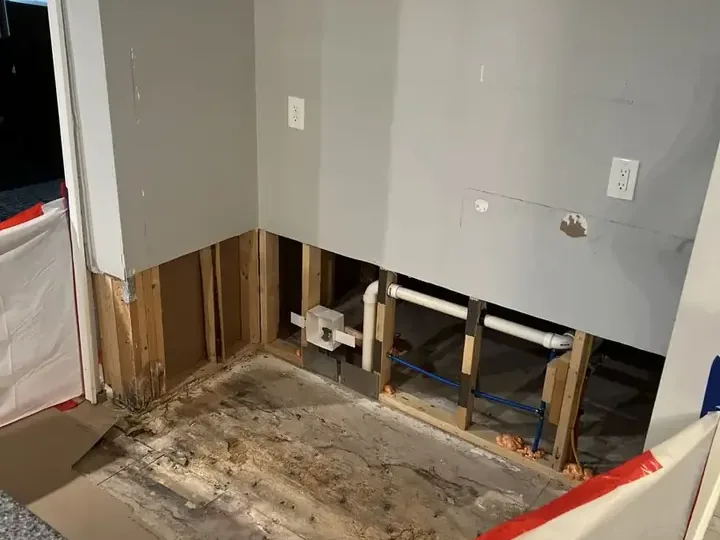
Protect access before moving through wet rooms
- 1
Check the doorway
Standing water near outlets, unstable ceilings or a sewage release can make entry unsafe. Keep occupants outside the affected room until hazards are assessed.
- 2
Limit further discharge
An accessible shutoff may stop a plumbing release when it can be reached safely. A qualified repair provider should address damaged equipment or concealed plumbing.
- 3
Contact the property decision maker
Renters should notify the owner or manager promptly. Shared walls and floors may require coordinated access so the inspection includes connected spaces beyond the visible spill.
- 4
Capture the starting condition
Photographs from a dry position can record water depth, stains and affected belongings. Retain messages about discovery and any actions already taken to stop the source.
- 5
Arrange an actual moisture assessment
Describe the rooms affected, the source if known and any access restrictions. Inspection determines which materials need extraction, controlled removal or continued measurement during drying.
Cleanup matched to the source and materials
The starting point may be a failed appliance, rain entering overhead or water spreading beneath flooring. Select the affected system to understand the inspection, removal and drying decisions involved.
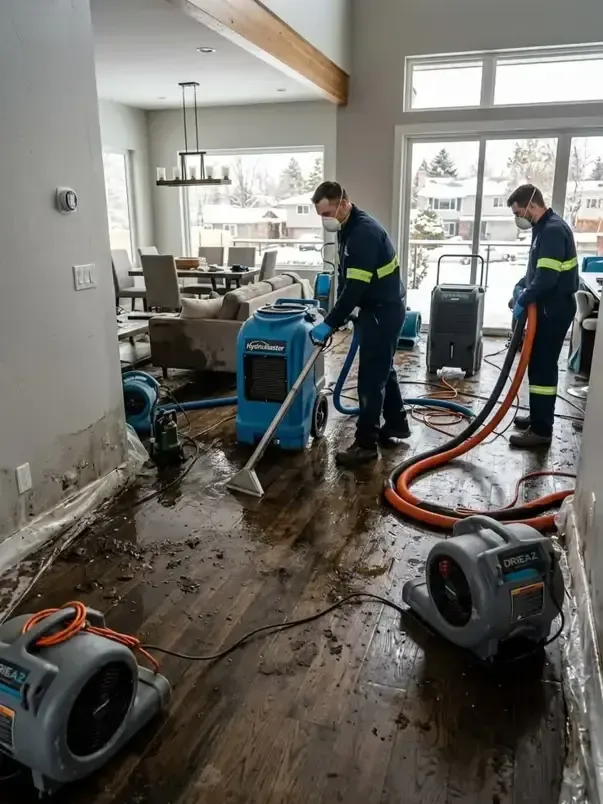
Water Extraction
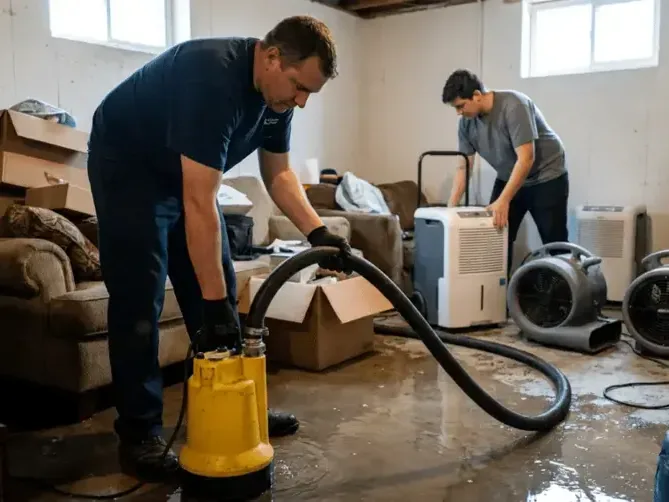
Standing water needs an exit before moisture trapped in carpet, flooring edges and wall bases can dry.
Water Extraction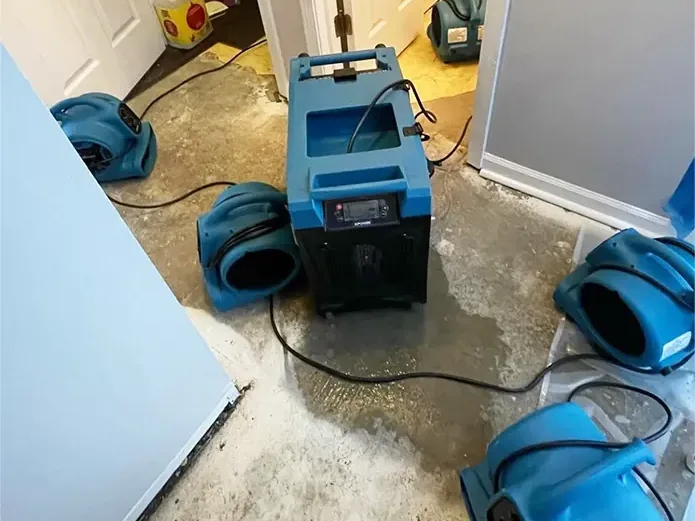
Slab Leak Water Damage
Damp floor coverings require source testing and a clear map of moisture beneath the walking surface.
Slab Leak Water Damage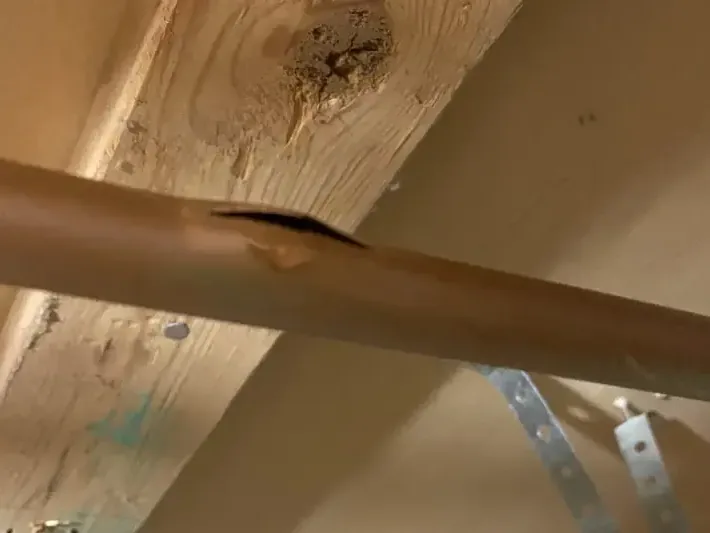
Burst Pipe Water Damage
A supply release calls for shutoff coordination and inspection of the water route through connected rooms.
Burst Pipe Water Damage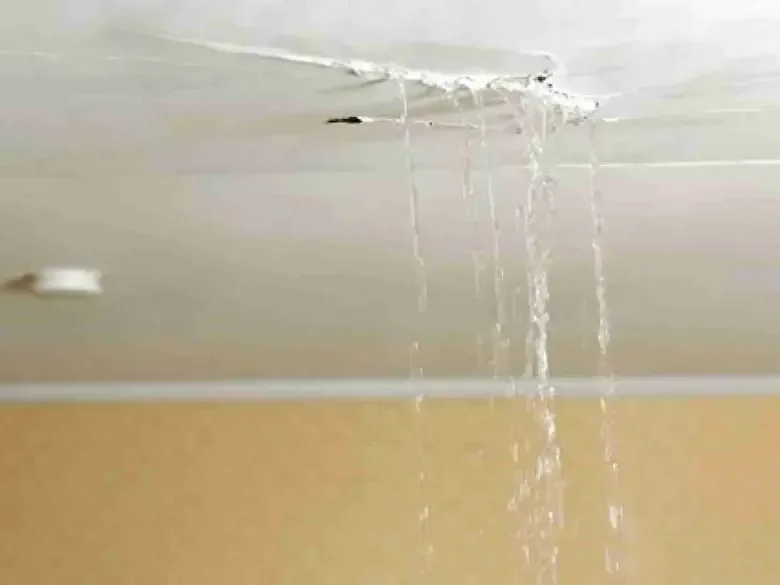
Ceiling Leak Water Damage
Dripping overhead brings ceiling stability, electrical exposure and access to concealed wet materials into the initial assessment.
Ceiling Leak Water Damage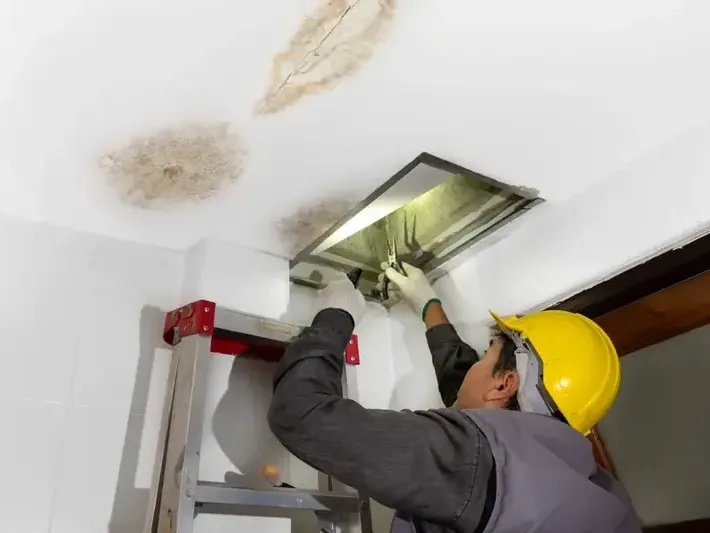
Roof Leak Water Damage
Rain entering from above needs coordinated exterior repair and attention to wet attic materials and interior finishes.
Roof Leak Water Damage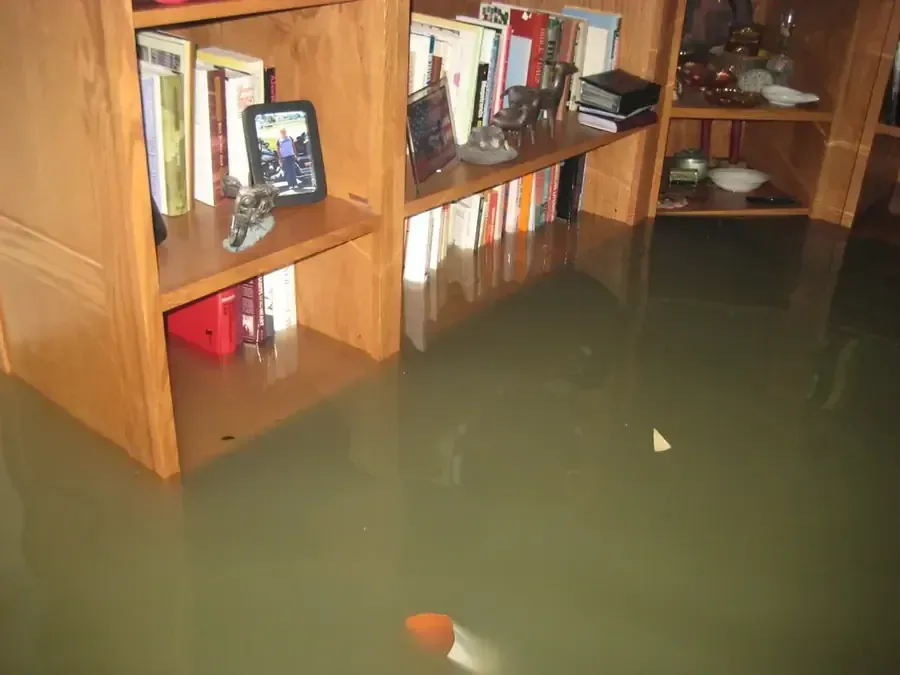
Storm Flood Cleanup
Outdoor water can carry debris indoors, changing the decisions about removal, cleaning and porous materials.
Storm Flood Cleanup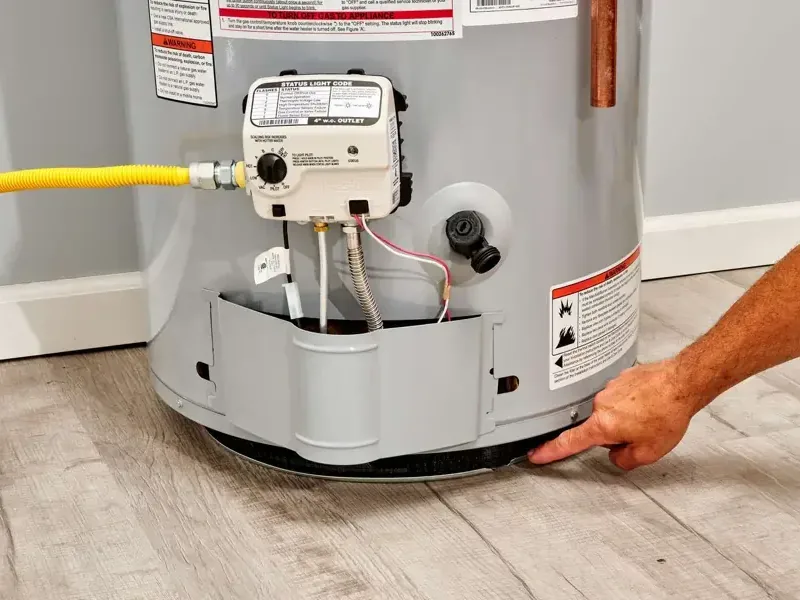
Water Heater Leak Cleanup
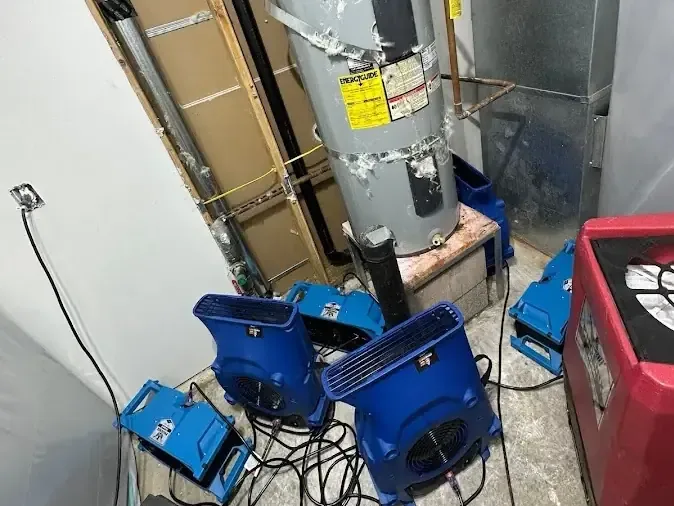
Tank spills can soak closet bases and neighboring floors while replacement arrangements proceed separately from drying.
Water Heater Leak Cleanup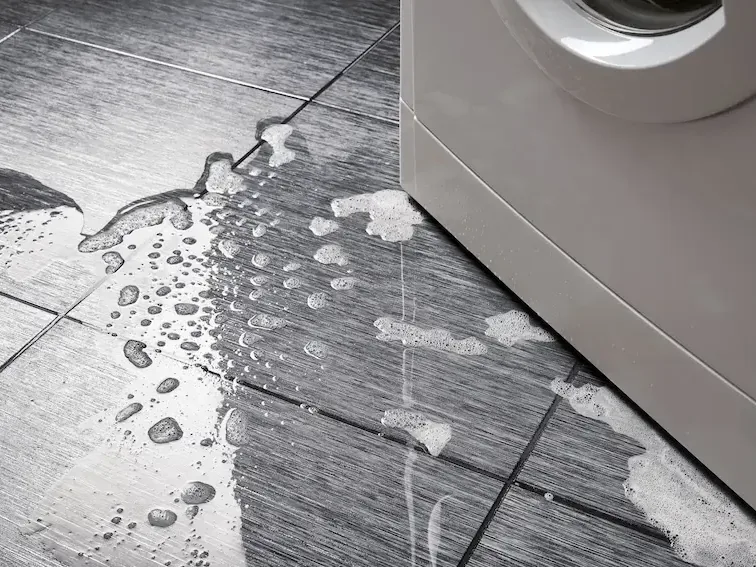
Appliance Leak Water Damage
Water from a washer or dishwasher may continue beneath cabinets after the visible puddle disappears.
Appliance Leak Water Damage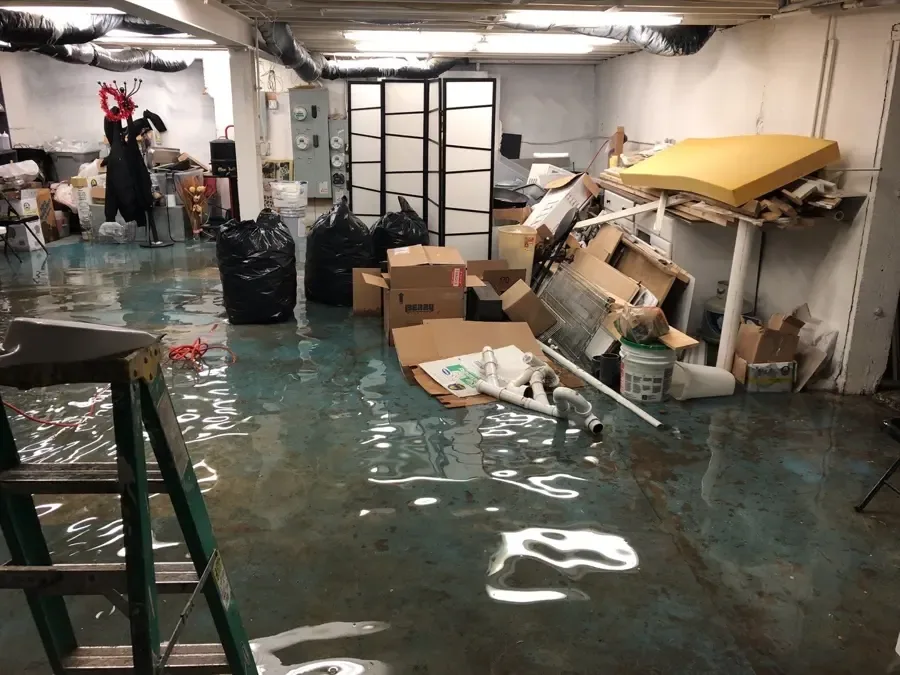
Sewage Backup Cleanup
A drain backup requires controlled access, contamination assessment and careful separation of affected belongings from clean areas.
Sewage Backup Cleanup
Structural Drying
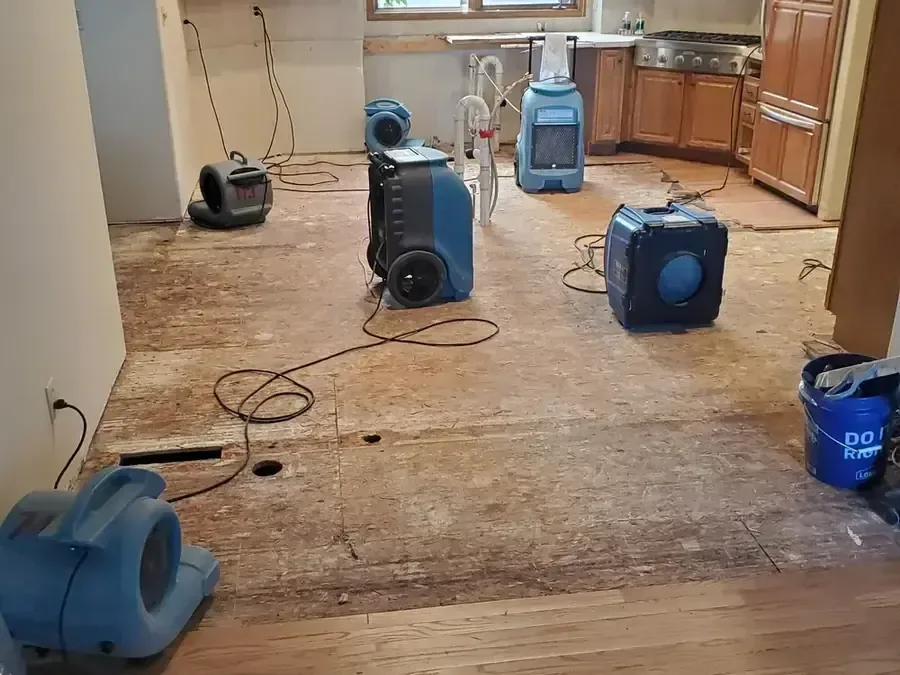
Moisture readings track progress inside building materials and support decisions about equipment adjustment and repair readiness.
Structural Drying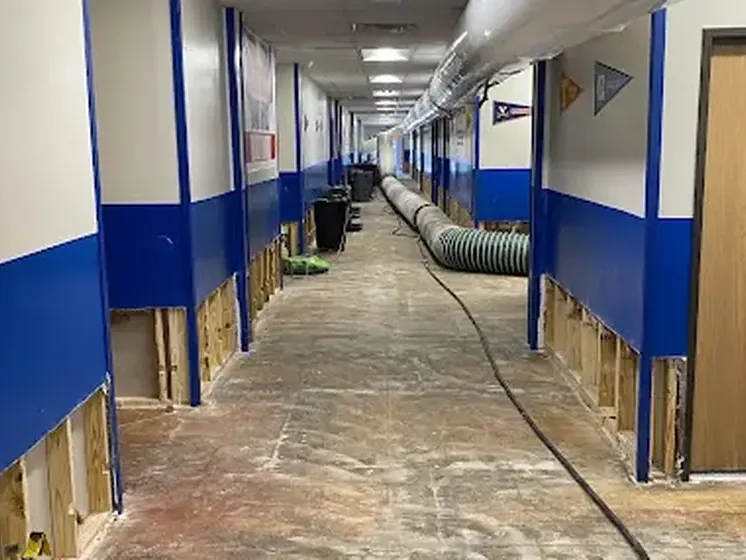
Commercial Water Damage
Business cleanup accounts for tenant access, stock protection and shared building systems.
Commercial Water Damage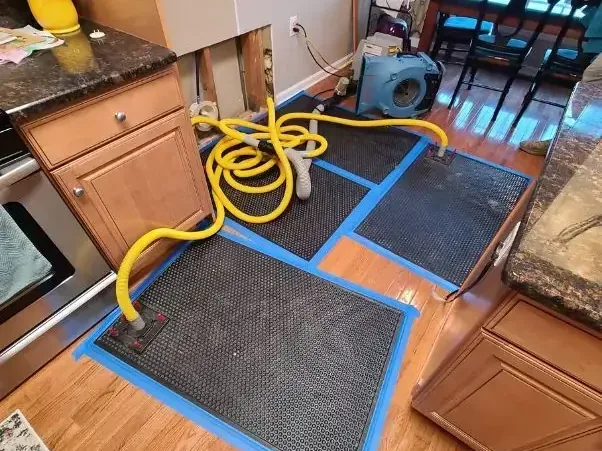
Hardwood Floor Water Damage
Wet boards need inspection of their undersides and substrate before sanding, refinishing or replacement decisions.
Hardwood Floor Water DamageFollow the moisture through each affected assembly
A floor that feels dry can cover wet layers. An organized assessment connects the source, observed damage and material readings, giving property owners a clear explanation of what needs treatment and what can remain.
- 1
Establish the boundary
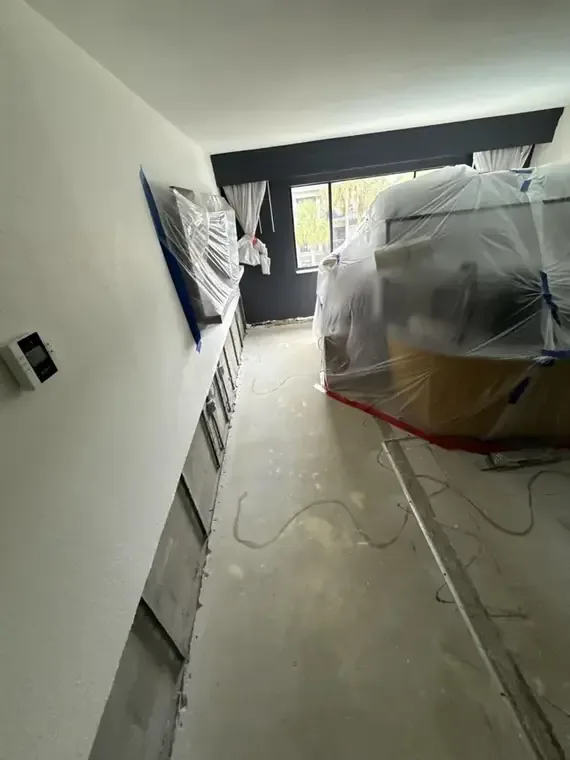
Inspection follows water along floor transitions, wall bases and adjoining rooms. A documented boundary helps keep the work focused without overlooking connected wet materials.
- 2
Choose appropriate removal
Accessible water is extracted and damaged materials are evaluated individually. Contamination, physical condition and access determine whether an assembly can be dried in place.
- 3
Control the drying environment
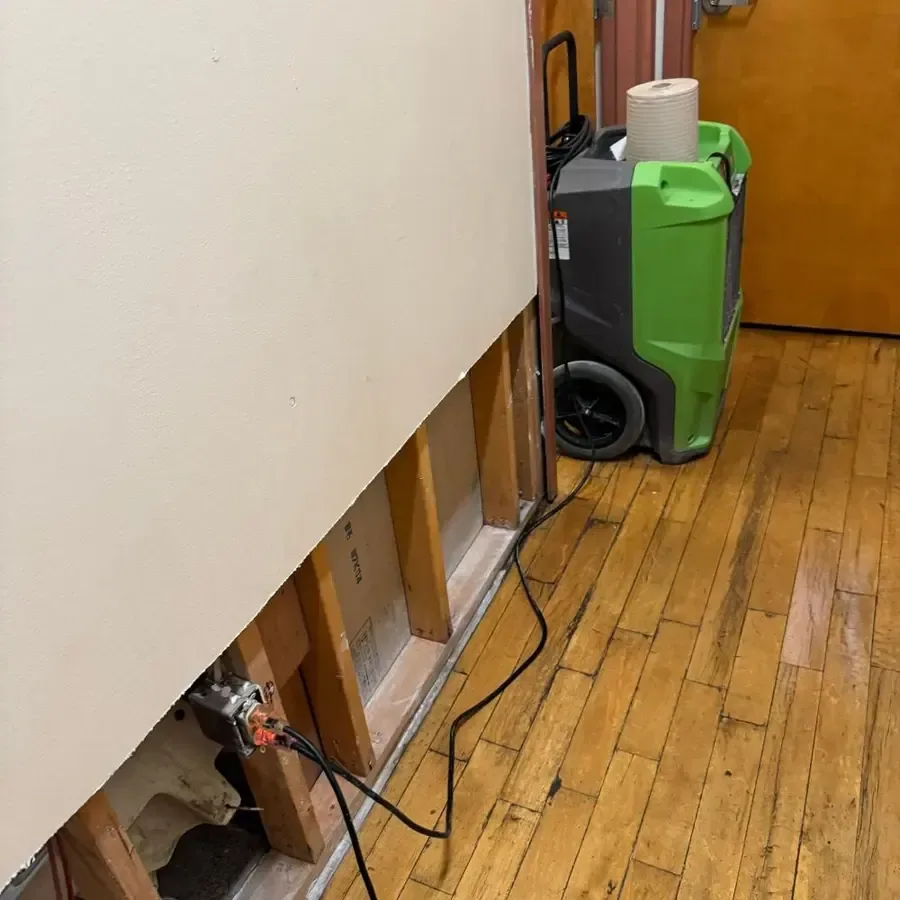
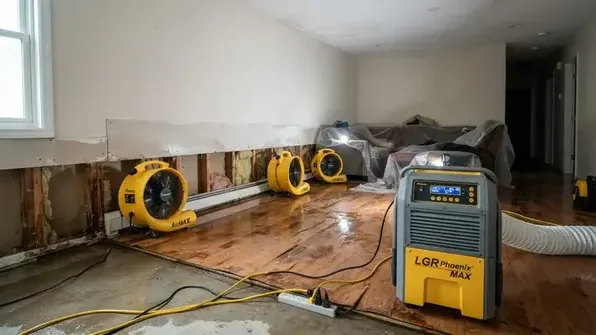
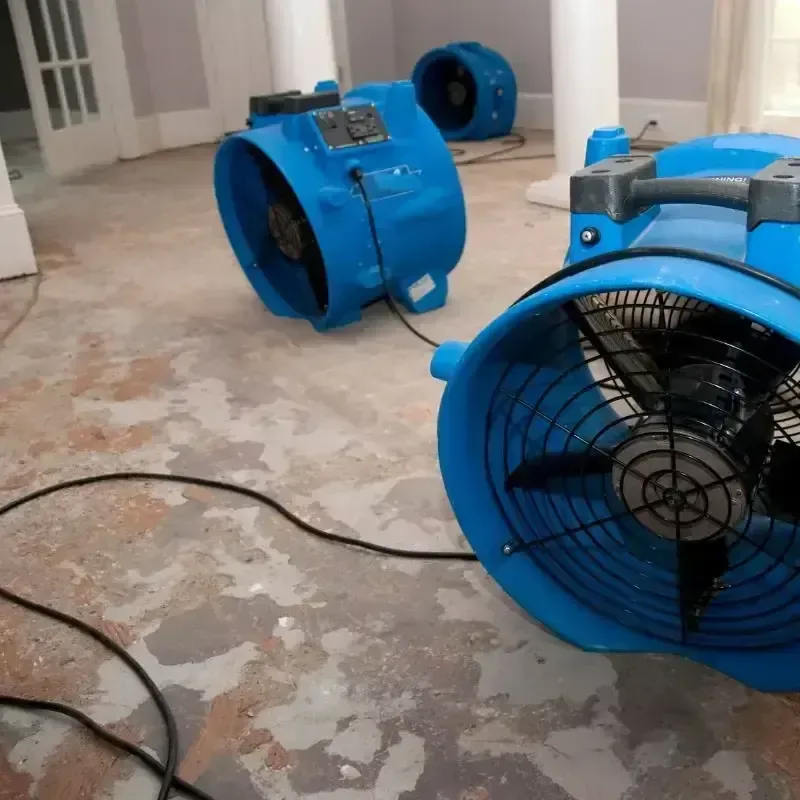
Equipment placement responds to the room and its wet surfaces. Humidity management and planned airflow help move moisture out of exposed materials without disrupting safe passage.
- 4
Record the closing condition
Followup measurements are compared with the initial assessment. Repair planning proceeds from material condition and drying results rather than the disappearance of a visible puddle.
Clear boundaries make cleanup easier to manage
South Pasadena combines detached homes with substantial multifamily housing. A practical response accounts for the particular building, the person authorizing access and the materials affected, keeping the owner informed as the scope becomes clear.
Clear scope
A written description distinguishes water removal, drying, discarded materials and later repairs. Property contacts can see which tasks are included before authorizing the work.
Measured drying
Material readings provide a basis for equipment adjustments. Comparing the same locations over time gives more useful information than judging a room by appearance.
Property coordination
Occupants, managers and repair providers need clear access arrangements. Shared areas and rooms behind locked doors should be identified early in the assessment.
Documented condition
Photographs and material notes preserve the starting condition and subsequent changes. That record supports repair decisions and discussions with the owner's insurance carrier.
Source, contact and elapsed time matter
Supply water release
A plumbing supply spill still needs prompt assessment because water can collect dirt and penetrate absorbent building layers as it moves through rooms.
See extraction decisionsUsed appliance water
An appliance discharge may contain residues from its cycle. The appliance, surrounding cabinetry and floor layers require individual evaluation before the drying plan is chosen.
Trace appliance water below cabinetsDrain backup contamination
Sewage changes the work area immediately. Occupants should avoid contact while controlled removal and cleaning address affected surfaces and porous items.
Understand backup containmentVisible access to materials that hold hidden moisture
Keep the claim details together
A clear file helps explain the loss and the work performed. Coverage questions belong with the property's carrier and policy.
- Record when water was first noticed and what remained visible at that time.
- Photograph affected rooms before moving belongings when a safe vantage point is available.
- Save source repair invoices and messages about shutoff, access or maintenance arrangements.
- Request an itemized cleanup scope that distinguishes equipment, labor and material removal.
- Keep drying records alongside disposal notes and receipts for damaged household belongings.
When payment is direct
A property owner paying directly still benefits from written authorization and clear scope limits. Ask which areas are included, what may change after materials are opened and how additional findings will be communicated.
Separate the immediate water response from rebuilding choices. Salvage decisions, finish matching and replacement work can be discussed after the affected structure has been assessed and a drying endpoint established.
Local conditions worth planning around
Older construction, shared housing and storm preparation all matter when planning a response. The inspection still begins with the particular property and the actual route taken by water indoors.
December 23, 2025: The city issued a storm preparedness notice describing advance clearing of storm drains and catch basins. It also advised gutter and drain clearing and reported monitoring known low areas before incoming weather.
- Older building layers The 2014-2018 survey reported 37.8% of housing built in 1939 or earlier. Inspection should identify the actual finishes and assemblies before access openings are selected.
- Shared housing access Buildings with 5 or more units represented 36.9% of housing in 2020. Water inspections may require a manager to arrange entry across affected spaces.
- Renter communication Renter households occupied 55.7% of occupied homes in 2020. Prompt owner notification helps align cleanup authorization, appliance repair and access to rooms containing wet materials.
- Varied ground conditions The city includes flatlands and hillsides. After rainwater enters, the assessment should identify the entry opening and affected interior materials before choosing cleanup methods.
- Repair approvals Roof repair and water heater replacement require permits. Planning the source repair alongside drying helps avoid closing wet assemblies before the needed work has been arranged.
Questions after indoor water damage
01What information helps when first reporting a water loss?
Describe where water appeared, whether the source is still active and which rooms are accessible. Mention sewage, electrical exposure or overhead sagging. A renter should also provide the manager's contact details so inspection and any necessary entry arrangements can be coordinated.
02Does an older house need every wet finish removed?
Removal depends on contamination, physical condition and access for drying. Age alone does not decide the scope. The assessment should identify the existing assembly and explain why a section can remain, needs an opening or has become unsuitable to retain.
03Can cleanup start while a plumbing repair is arranged?
Safe removal of accessible water may proceed while the source repair is coordinated. An active discharge still needs control. The work sequence should prevent repeated wetting and make space for the repair provider without closing access to affected cavities too early.
04What should a tenant do about wet shared walls?
Notify the property manager and describe the affected rooms. Water can travel into connected spaces, so the inspection may need access beyond the apartment where it was discovered. The manager can coordinate permission and communication with other occupants as necessary.
05Does South Pasadena require approval for every repair?
Requirements depend on the work. The city lists flooring replacement as exempt, while interior remodeling without added floor area requires a permit and plan check. The proposed repair scope should be checked before demolition or reconstruction expands beyond simple replacement work.
06Why keep equipment operating after visible water disappears?
Porous layers and concealed connections can remain wet after extraction. Structural drying supports moisture removal while repeated material readings show whether progress continues. Changes to equipment placement or operation should follow the drying plan, because an interruption can affect that progress.
07Is 91031 a residential cleanup ZIP?
The city also has 91031 for PO boxes. Residential coverage is described using 91030 and the actual property location. When discussing service, supply the affected building's location and access details so arrangements relate to the property where the water occurred.
08How should belongings be documented before disposal?
Photograph damaged items from a safe position and keep a written inventory with descriptions. Save purchase information when available. Contaminated items should remain separate from clean belongings, and the property's carrier can explain what documentation it requires for a claim.
09When can walls and floors be closed again?
Closure follows source correction, appropriate cleaning and verification of the remaining materials' drying condition. A surface looking normal is only part of that decision. The repair scope should also account for damaged finishes and any approvals required for the planned work.
Move from visible damage to a workable scope
South Pasadena water cleanup begins with safe entry, source control and an inspection of connected materials. Arrange an assessment that explains removal, drying and the next repair decisions.
La Crescenta Water Damage Restoration · La Crescenta, CA