Sewage Backup Cleanup in South Pasadena
A sewage release makes the affected room a restricted area. South Pasadena backup cleanup organizes source assessment, contaminated material handling and cleaning before retained surfaces move into the drying phase.
(888) 578-6508Discuss the contaminated room boundary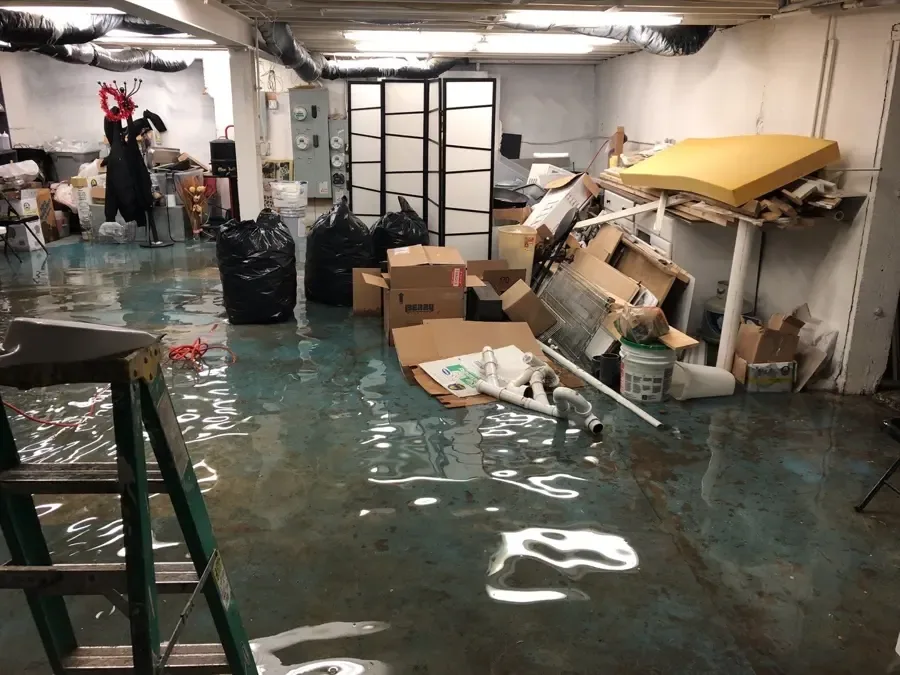
Drain water on the floor needs a controlled response, especially when occupants still use adjoining rooms. Foot traffic, wet belongings and ordinary cleaning tools can transfer contamination beyond the visible spill. Keeping the area separate is the first practical step while the drainage source and cleanup scope are assessed.
First steps for sewage backup cleanup in South Pasadena
Keep the contaminated zone separate
Close off access where possible without entering the spill. Occupants and pets should remain in clean areas, and wet shoes or tools should not travel between rooms.
Limit further fixture discharge
Stop using the affected fixtures and report the backup to an appropriate drainage provider. Describe which drains are involved and whether water continues appearing despite discontinued use.
Document from outside the spill
Photograph room boundaries and damaged belongings from a safe position. Record affected items without carrying them into dry rooms or attempting to rinse contamination into another fixture.
Arrange authorized cleanup access
Give the property contact the affected room list and any shared access concerns. Containment, removal and cleaning need a workable route that stays separate from normal occupant movement.
How sewage backup cleanup is handled in South Pasadena
The mitigation crew establishes a moisture baseline, selects equipment for the affected assemblies and checks progress against dry reference materials. Recorded readings guide adjustments and the final equipment removal.
- 1
Define contact and safe entry
The assessment identifies surfaces reached by sewage and the path for workers and materials. Occupant separation and source control are established before the removal sequence begins.
- 2
Remove unsuitable absorbent materials
Water and damaged porous items are handled within the boundary. Disposal notes record what was removed and its location, supporting both repairs and claim documentation.
- 3
Clean the remaining building surfaces
Retained materials receive appropriate treatment after the contaminated load is removed. Access to cavities and substrates is evaluated so concealed affected surfaces do not remain untreated behind finishes.
- 4
Dry and document the retained assembly
Equipment addresses moisture after cleaning. Measurements, photographs and scope notes establish the remaining material condition and identify separate repair needs before the space returns to normal use.
Coordinate drainage work with room containment
The source provider should investigate the blockage or drainage problem before normal fixture use resumes. South Pasadena distinguishes adding a toilet from replacing a fixture in the same location. A new toilet location requires a permit, while the same location exemption applies only when waste or vent work is unnecessary.
For a Library Park area property, report which fixtures backed up and where water spread. Near Mission West, identify occupied spaces that must remain separated from cleanup access. At a building around War Memorial Park, the manager should arrange permission for any connected rooms requiring inspection.
- Keep children, pets and unprotected occupants outside the affected area.
- Stop use of affected fixtures while the drainage problem is investigated.
- Do not move soiled belongings through clean rooms without a handling plan.
Evaluate porous materials before drying equipment runs
Absorbent floor coverings, wall materials and contents need individual evaluation after sewage contact. Some items are unsuitable for retention and require controlled removal. The retained structure must be accessible for cleaning, with work practices that limit transfer into unaffected spaces.
Structural drying follows the appropriate removal and cleaning sequence. Room air movement alone cannot address contamination, and concealed moisture beneath a cleaned surface can still require treatment.
Insurance documentation for a drain backup
Photograph the affected boundary from a safe location and record the fixtures involved. Keep the drainage provider's findings with the removal inventory, cleaning scope and drying records. Ask the carrier about the applicable coverage while preserving a clear distinction between source repair and damage cleanup.
Replacement plumbing proposals should also describe any waste or vent changes. That detail helps the property owner evaluate the city's requirements before repair work expands.
Sewage backup cleanup across South Pasadena and nearby towns
Backup assessment can be arranged for properties near Library Park, Mission West and War Memorial Park. Identify affected fixtures, occupied areas and a dry access route when discussing the cleanup arrangements.
The same service nearby: sewage backup cleanup in La Crescenta, Pasadena, Glendale.
Water damage restoration in South Pasadena · every town covered
Related water damage services in South Pasadena
Sewage Backup Cleanup questions in South Pasadena, CA
01Can bleach and a mop handle a backup?
A sewage loss can affect porous layers and hidden surfaces beyond a mop's reach. Controlled assessment determines removal, cleaning and access requirements for the room.
02Should the affected toilet be flushed again?
Stop using affected fixtures while the drainage issue is investigated. Additional discharge can enlarge the contaminated area and complicate the cleanup boundary.
03Can wet belongings go into the hallway?
Keep contaminated items separated from clean spaces. Their handling and disposal should follow the cleanup plan rather than transfer exposure through occupied routes.
04Is ordinary drying enough after sewage contact?
Contamination requires removal and cleaning decisions before drying. Airflow cannot substitute for treatment of affected surfaces or removal of unsuitable porous materials.
05Does fixture replacement always avoid a permit?
The city limits the same location exemption to work without waste or vent changes. A newly located toilet requires a permit under local guidance.
06What should the claim file describe?
Identify affected fixtures, room boundaries, removed materials and cleaning tasks. Keep drainage findings and final moisture records with photographs taken from a safe position.
Contain the affected area and plan recovery
South Pasadena backup cleanup brings removal, surface cleaning and subsequent drying into an ordered scope. A documented boundary helps protect usable rooms while the affected structure and belongings are assessed.
La Crescenta Water Damage Restoration · La Crescenta, CA