Sewage Backup Cleanup in Glendale
A sewage backup changes how a room can be approached and what can stay inside it. Glendale cleanup establishes a restricted area before removing wastewater and assessing the materials along its path.
(888) 578-6508Discuss wastewater in the affected rooms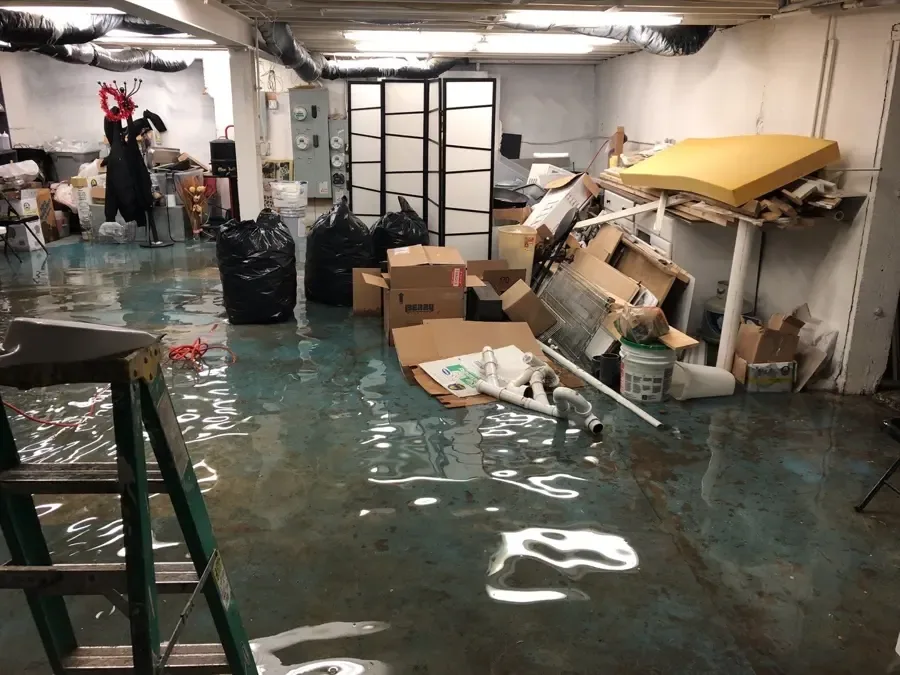
Wastewater on a floor calls for more than removal of the visible liquid. Shoes, belongings and ordinary fans can carry contamination into otherwise unaffected spaces. A controlled cleanup starts by keeping occupants out of the room and planning how affected material will leave the building without crossing everyday living areas unnecessarily.
First steps for sewage backup cleanup in Glendale
Restrict the affected space
Keep people and animals away from wastewater and wet belongings. Avoid floor cleaning that could move contamination into dry rooms before the area has been assessed.
Arrange attention to the drain problem
The source needs investigation by the appropriate plumbing trade. Document the affected fixture and coordinate access so restoration work does not conceal areas required for source correction.
Plan the path for removed materials
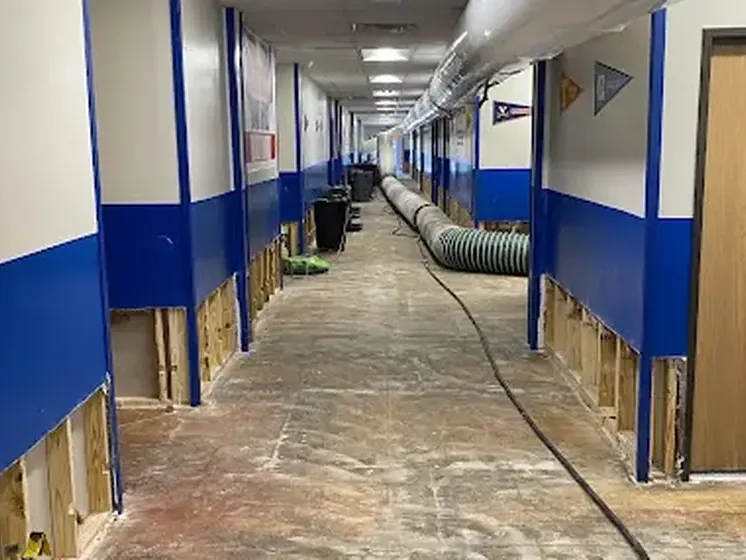
Contaminated finishes and belongings need controlled handling. Identify a suitable work route, protect unaffected areas and decide how material will leave the room before removal starts.
Complete cleaning before drying retained surfaces
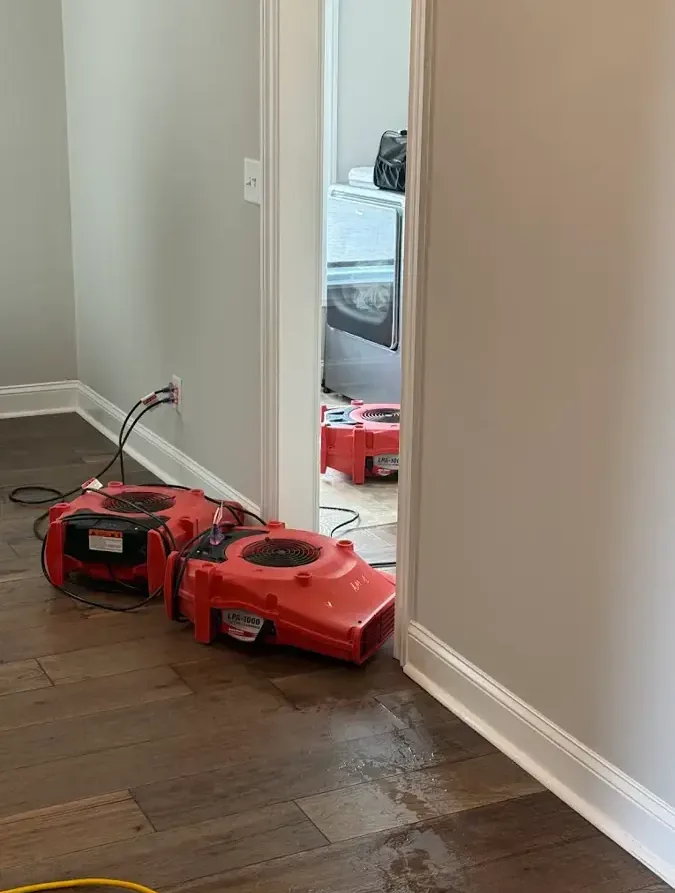
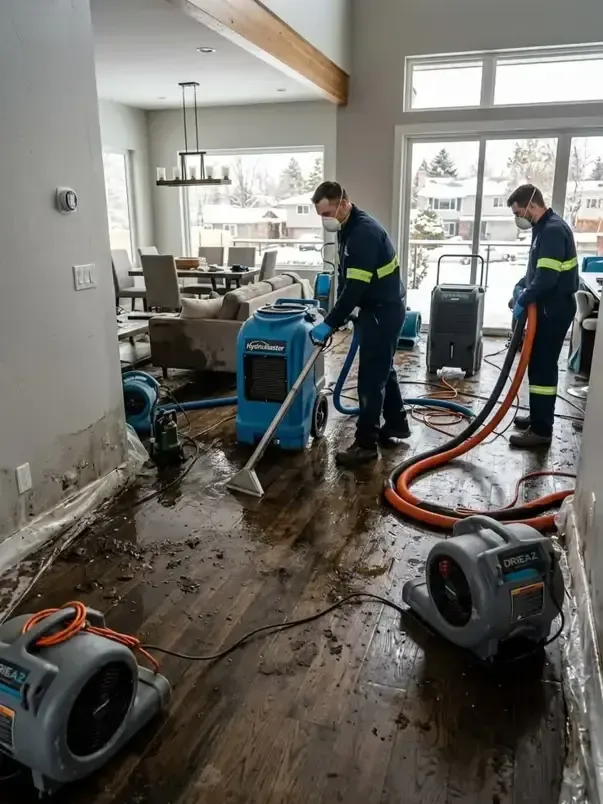
Equipment placement follows contamination decisions and cleaning of accessible retained materials. Moisture measurements then define what remains to be dried in the structure before later repair work begins.
How sewage backup cleanup is handled in Glendale
The mitigation crew establishes a moisture baseline, selects equipment for the affected assemblies and checks progress against dry reference materials. Recorded readings guide adjustments and the final equipment removal.
- 1
Define the controlled boundary
Assess the overflow path, occupied rooms and fixture access. Include contaminated contents and surfaces contacted by people or belongings after the initial wastewater release.
- 2
Recover wastewater and assess finishes
Liquid removal and material assessment proceed within the restricted space. Document layers needing removal and the hard surfaces available for cleaning after damaged finishes leave.
- 3
Clean the retained assembly
Reach corners, fixture edges and surfaces exposed by removal. Equipment supports the cleanup sequence without carrying untreated contamination into nearby rooms or common passages.
- 4
Document drying and plumbing needs
After cleaning, check moisture in retained materials. Final records distinguish completed restoration from unresolved drain work, replacement finishes or other repairs needed for normal use.
Keep the source investigation distinct from interior cleanup
A backed up fixture requires investigation of the drain problem. Interior observations should describe where wastewater emerged and what it contacted without assigning responsibility before the cause is established. Even after drainage is restored, affected porous finishes and contaminated hard surfaces need separate decisions about removal, cleaning and access to concealed layers.
South Glendale has apartments and condominiums where shared access may affect the work plan. Adams Hill and the area around San Fernando Road provide other local property settings. The practical questions remain which rooms are affected, who can authorize entry and how to protect the spaces still in use.
- Keep pets and occupants outside the wastewater affected room or passage.
- Avoid carrying soaked belongings through clean rooms without a handling plan.
- Preserve photographs of the overflow path before removal changes the scene.
Clean the materials that can remain
Porous layers contaminated by sewage often require removal because cleaning cannot reliably reach their interior. Retained hard surfaces need accessible cleaning before a drying setup is established. Wall bases, floor transitions and fixed fixtures should be assessed for trapped contamination as well as moisture beneath their exposed surfaces.
Any standing water recovery belongs within this controlled process. Structural drying follows the cleaning and removal decisions so equipment is directed at materials selected for retention rather than untreated contaminated finishes.
Insurance documentation for a sewage loss
Keep the drain findings, original photographs and interior scope together. The record should identify affected rooms, removed materials and the cleaning work performed on retained surfaces. An itemized contents record can help describe damaged belongings without moving them through the building before safe handling is arranged.
At the end of cleanup, the work notes should identify any remaining plumbing repair and moisture checks. The Glendale water damage hub describes other interior recovery tasks that may be needed in adjoining affected areas.
Sewage backup cleanup across Glendale and nearby towns
Wastewater cleanup requires a safe route into the affected area and separation from occupied rooms. Near Central Avenue or other city streets, describe the backed up fixture and any spread into adjacent spaces.
The same service nearby: sewage backup cleanup in La Crescenta, La Canada Flintridge, Burbank.
Related water damage services in Glendale
Sewage Backup Cleanup questions in Glendale, CA
01Can the room be used after the visible sewage is gone?
Visible removal is only part of the work. Contaminated surfaces, porous materials and remaining moisture need assessment before the affected room returns to ordinary use.
02Should a household fan be aimed at the wet floor?
Air movement should wait for a controlled cleanup plan. Untreated contamination and debris need attention before drying equipment is placed in the affected interior.
03Does clearing the drain complete the restoration work?
Drain service addresses the source. Wastewater already inside the room leaves separate cleaning, material handling and drying tasks that should be documented in the restoration scope.
04Can soaked carpet remain after a sewage backup?
Contaminated porous layers need careful assessment and commonly require removal. The decision considers whether cleaning can reach the material and its condition after the loss.
05How are unaffected rooms protected during removal?
A planned work boundary and handling route help separate contaminated materials from occupied spaces. Movement of belongings should follow that plan throughout the cleanup process.
06What information belongs with the drain repair invoice?
Keep photographs, the affected room inventory and removal notes together. Cleaning records and later moisture measurements explain the interior work beyond correction of the drain problem.
Restore the room through a controlled sequence
The drain repair and the interior loss each need attention. Discuss contaminated finishes, retained surfaces and access so removal, cleaning and drying can proceed in an organized work area.
La Crescenta Water Damage Restoration · La Crescenta, CA