Sewage Backup Cleanup in La Canada Flintridge
A wastewater backup makes room separation the first cleanup priority. La Canada Flintridge sewage restoration controls access, removes contaminated water and assesses affected materials before cleaning and drying the construction that remains.
(888) 578-6508Arrange assessment of the contaminated room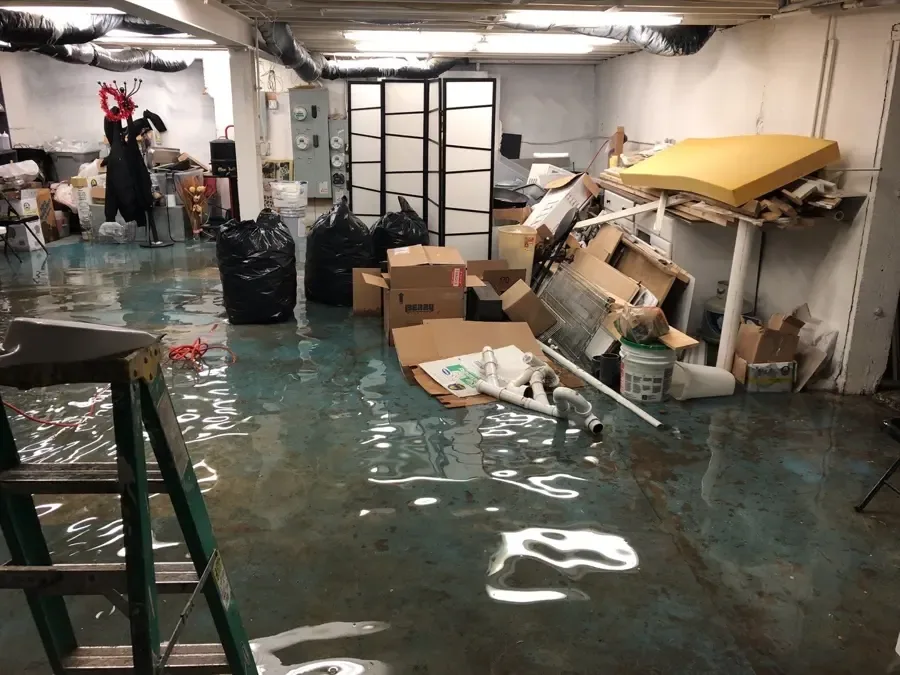
A backup through a drain can wet surfaces that appear unrelated to the fixture. Foot traffic then carries contaminated moisture farther through the property. Sewage cleanup begins with a clear affected boundary and a safe removal route, so restoration work does not expand the area requiring cleaning.
First steps for sewage backup cleanup in La Canada Flintridge
Separate occupants from the backup
People and pets should remain outside contaminated rooms. A defined work boundary helps prevent wastewater spreading into clean living areas.
Pause connected fixture use
A drain professional should assess the blockage or other cause. Using fixtures connected to an active backup can add wastewater and enlarge the contaminated area before the source is controlled.
Leave dirty materials contained
Wet rugs, towels and porous belongings should not be carried through clean rooms without a handling plan. Their condition needs assessment before cleaning, relocation or disposal decisions are made.
Record damage from a safe position
Photographs can document the originating fixture and room spread without stepping into wastewater. Keep drain service notes and a contents list with the restoration photographs as work proceeds.
How sewage backup cleanup is handled in La Canada Flintridge
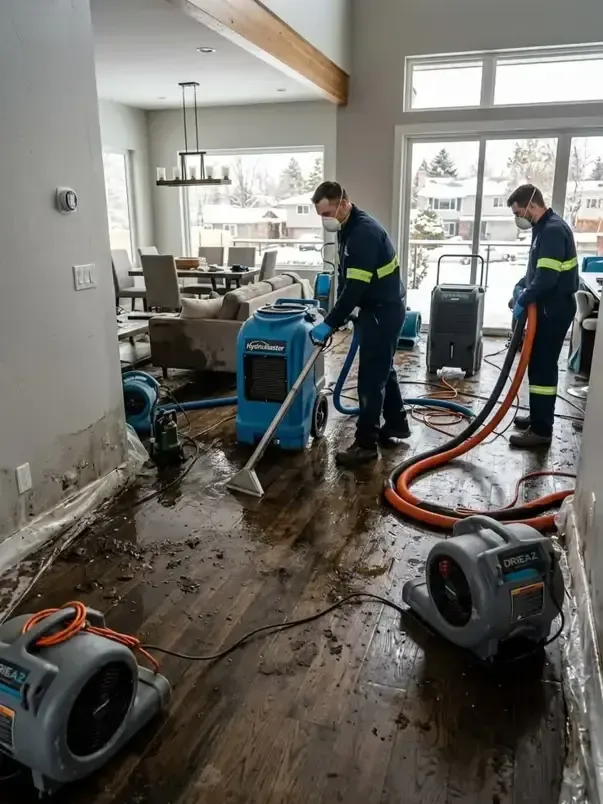
The mitigation crew establishes a moisture baseline, selects equipment for the affected assemblies and checks progress against dry reference materials. Recorded readings guide adjustments and the final equipment removal.
- 1
Establish separation and safety
The crew assesses wastewater contact, electrical concerns and access through the property. A removal route and protected work boundary are established before contaminated material is handled.
- 2
Remove water and affected layers
Wastewater collection and porous material decisions follow the contamination assessment. Opening necessary layers allows the remaining floor and wall construction to be reached for cleaning.
- 3
Clean what can remain
Retained accessible surfaces receive cleaning and appropriate treatment. Attention to joints, corners and wall contacts helps address areas concealed during the initial overview of the room.
- 4
Dry and document the remainder
Moisture control begins after the cleaning sequence prepares the area. Records identify retained construction, removed finishes and the measurements supporting the transition to later repair work.
Keep the backup isolated from daily activity
In a Flintridge home, the bathroom doorway or connecting hall may become the critical separation point. Occupants and pets should remain outside the contaminated area. Towels, household mops and ordinary fans can spread wastewater onto clean belongings or surfaces when used without a controlled cleanup plan.
For properties near Foothill Boulevard, a drain professional addresses the reason for the backup while restoration personnel assess its consequences indoors. Continued use of connected fixtures may worsen the release, so the plumbing condition needs attention before routine household activity resumes.
- Sewage exposure requires protective work practices and controlled handling of affected materials.
- Porous floor coverings need assessment for contamination throughout their backing and padding.
- Contaminated belongings should remain separate from items moved out of dry rooms.
Cleaning requires access to contacted surfaces
Category 3 water can reach wall bases, floor joints and the underside of finishes. At a property around Encinas Drive, selective removal may be needed to expose construction that can be retained and cleaned. Material condition and contamination determine the scope rather than the size of the visible stain alone.
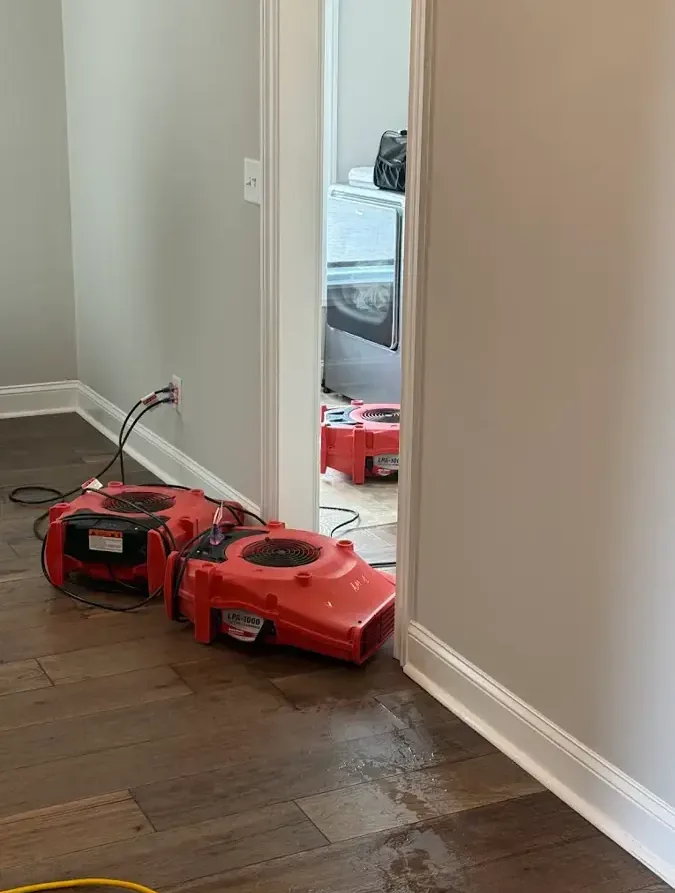
Cleaning and appropriate treatment precede directed structural drying. The drying setup then targets retained wet materials without moving air across untreated contamination. Inspection extends to connected edges where wastewater may have traveled beneath finishes.
Sewage backup insurance documentation
The original fixture overflow, room boundary and affected contents should be photographed from safe positions. Records of drain diagnosis belong with the restoration scope so the source work and contaminated material handling remain clearly identified.
Disposal notes, cleaning records and moisture measurements explain the sequence of work. The repair estimate should distinguish replacement of removed finishes from cleaning and drying of the construction that remains in the property.
Sewage backup cleanup across La Canada Flintridge and nearby towns
Sewage cleanup assessments extend across La Canada Flintridge, including Flintridge and properties near Foothill Boulevard or Encinas Drive. The affected fixtures, room connections and continuing backup determine the initial containment needs.
The same service nearby: sewage backup cleanup in La Crescenta, Glendale, Pasadena.
Water damage restoration in La Canada Flintridge · every town covered
Related water damage services in La Canada Flintridge
Sewage Backup Cleanup questions in La Canada Flintridge, CA
01Is sewage treated like a supply leak?
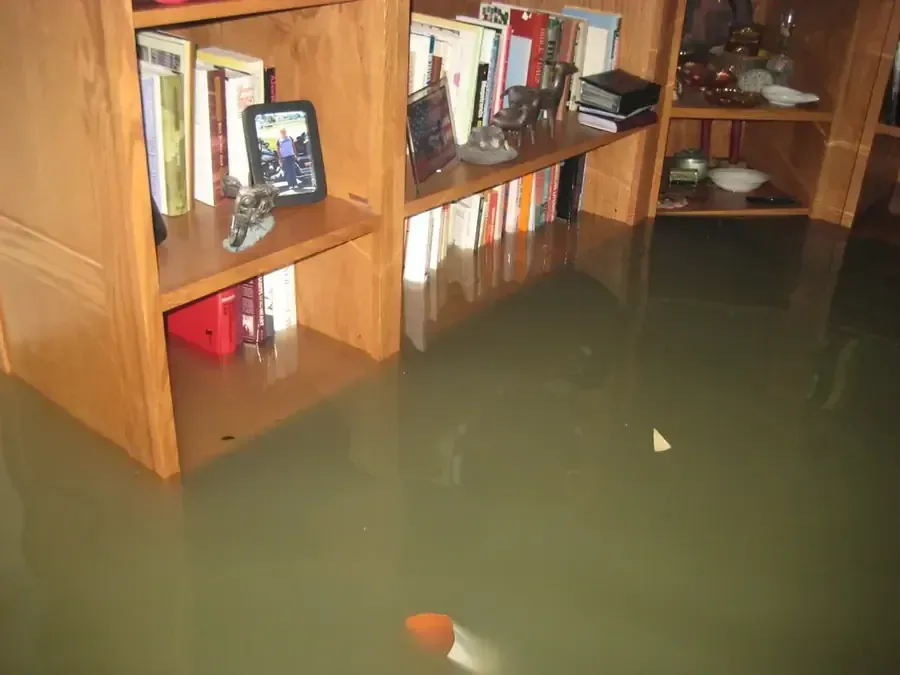
Sewage is Category 3 water and requires contamination controls. Handling, material decisions and cleaning differ from a release assessed as clean supply water.
02Should household fans be used?
Fans should not move air across untreated sewage contamination. The affected area needs assessment, controlled removal and cleaning before a structural drying setup is selected.
03Can wet padding be cleaned in place?
Contaminated porous layers need careful assessment and often require removal. Cleaning only the carpet face leaves contact with wastewater below the visible surface unaddressed.
04Who resolves the backed up drain?
The plumbing or drain professional addresses the source. Restoration work handles the indoor contamination and damage, with the two scopes coordinated to avoid another release.
05Why assess an adjoining hallway?
Wastewater can cross thresholds or travel under connected finishes. Foot traffic may also spread it, so the cleanup boundary needs to include those contact paths.
06What belongs in the cleanup record?
Useful records include source findings, affected contents, material disposal, cleaning tasks and drying measurements. They explain the work sequence and the remaining finish repair needs.
Separate, remove and clean the affected area
Restoration planning follows wastewater contact through floors, wall bases and belongings. A clear scope connects controlled removal with cleaning and drying of the construction that can remain.
La Crescenta Water Damage Restoration · La Crescenta, CA