Sewage Backup Cleanup in La Crescenta, CA
A sewage backup introduces gross contamination as soon as it occurs. La Crescenta cleanup teams restrict access, remove affected porous material and clean retained surfaces before a structural drying setup begins.
(888) 578-6508Arrange controlled handling of the sewage loss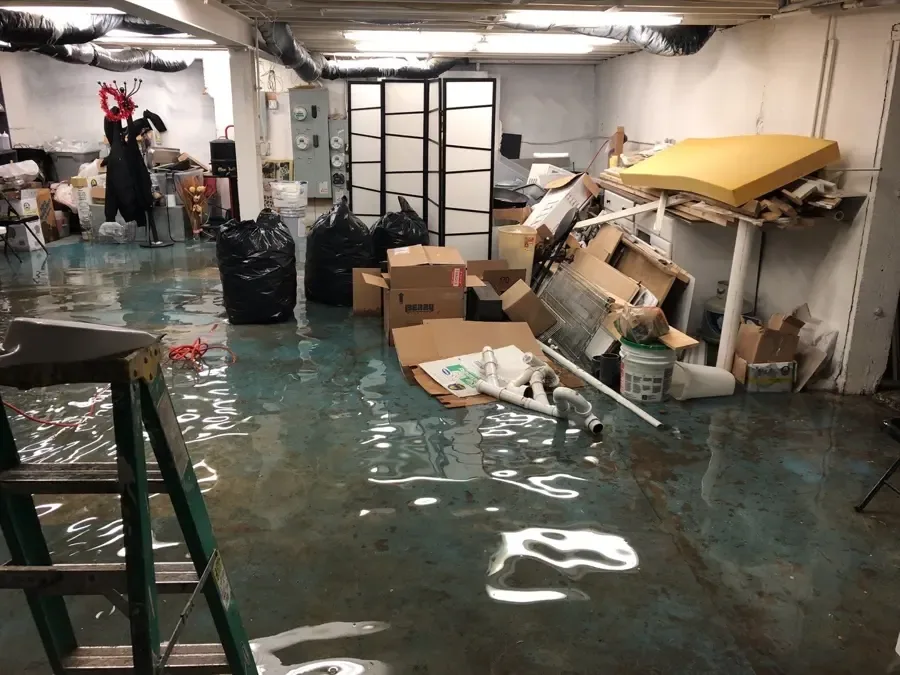
Sewage on a floor is not a routine wet-carpet problem. The cleanup crew considers exposure routes before moving belongings or directing air across the room. Households keep people and pets outside the affected space while a plumbing professional identifies the blockage or failure that caused the backup.
First steps for sewage backup cleanup in La Crescenta
Stop using connected fixtures
The household avoids flushing or draining additional water into a suspected backed-up system. A plumbing professional investigates the blockage while occupants stay clear of contaminated rooms.
Restrict the affected space
Children, pets and unnecessary foot traffic stay outside the wet boundary. Shoes and belongings should not carry contamination into a dry living area.
Avoid improvised cleaning
Residents should not mix cleaning chemicals or aim household fans across sewage. The cleanup crew selects protective controls and an appropriate removal sequence.
Record the loss safely
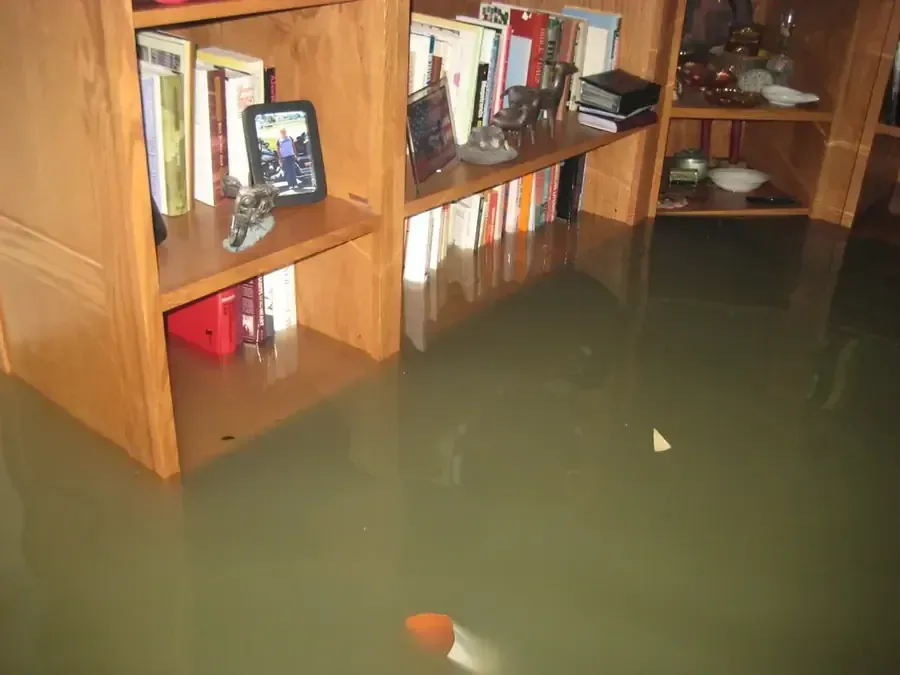
Photos from an uncontaminated position can show fixtures, water height and affected contents. The owner keeps those records without entering the sewage to retrieve items.
How sewage backup cleanup is handled in La Crescenta
The mitigation crew establishes a moisture baseline, selects equipment for the affected assemblies and checks progress against dry reference materials. Recorded readings guide adjustments and the final equipment removal.
- 1
Define the exposure boundary
The lead technician assesses contamination, access and source control, then establishes a work area and disposal route before equipment or waste moves through the property.
- 2
Remove compromised porous material
The cleanup crew removes affected carpet, pad, insulation and wallboard as indicated, documenting the boundary and protecting unaffected areas throughout handling.
- 3
Clean and treat retained surfaces
Technicians remove soil and contamination first, then apply a suitable registered product according to label directions and dwell time before structural drying begins.
- 4
Dry and document the assembly
The drying team measures retained materials daily, records equipment changes and identifies repair requirements after the cleaning and moisture-control stages are complete.
Sewage contamination changes the material scope
County Planning describes both single-family and multi-unit housing in La Crescenta-Montrose. In Montrose, the cleanup assessment checks the actual connected rooms and fixtures rather than assigning a cause from the neighborhood. A property along Foothill Boulevard may also need coordinated access when contamination threatens another occupied area. The plumber determines the drainage problem; the mitigation crew documents the building exposure.
Category 3 cleanup includes removal of contaminated porous materials such as carpet, pad, insulation and affected drywall. The removal boundary follows the contamination and moisture pattern, including an appropriate margin above the visible water mark. The crew documents sewage contact across the affected surfaces and cleans retained materials before checking the remaining moisture.
- Restrict entry and separate affected work areas from occupied dry rooms.
- Use gloves, protective clothing, footwear, eye protection and exposure-appropriate respiratory protection.
- Bag or contain removed material so the disposal route does not spread contamination.
Cleaning comes before antimicrobial treatment
The crew removes gross contamination and cleans retained surfaces before applying a suitable EPA-registered antimicrobial according to its label, including the required dwell time. Spraying a dirty surface or briefly wetting it does not replace that process. For properties near Pennsylvania Avenue, the owner confirms sewer connection and repair responsibilities with the plumbing professional and the appropriate service agency.
Insurance documentation: drying and documenting the retained structure
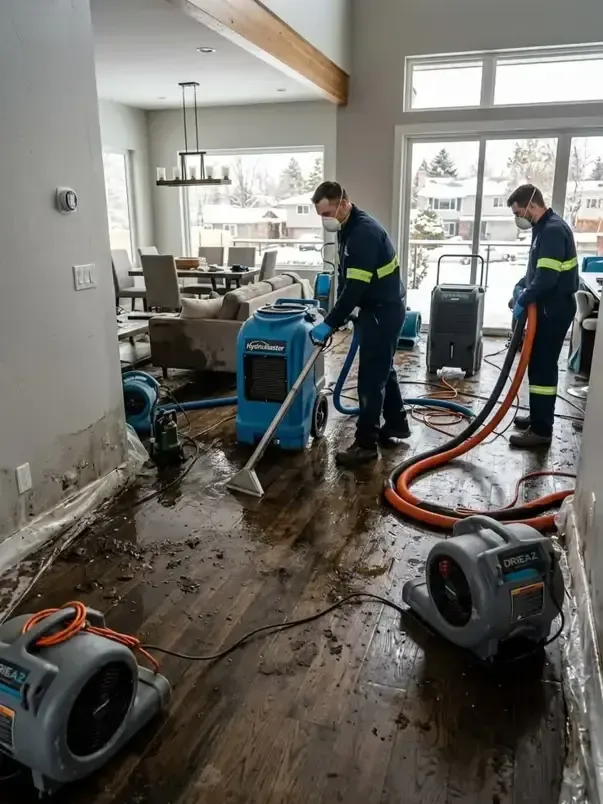
After removal and cleaning, the technician maps remaining moisture and sets controlled dehumidification and airflow. Daily readings show how retained framing and flooring respond. The record includes the initial contamination boundary, pre-removal photographs, disposal decisions, product application notes and the itemized drying scope.
The owner asks the insurer whether a sewer-backup endorsement or other provision applies. The contractor documents the work without promising coverage. The EPA indoor air quality resources explain indoor environmental concerns, and Ready.gov addresses safe behavior around potentially contaminated water and damaged electrical systems.
Sewage backup cleanup across La Crescenta and Los Angeles County
The restoration team serves La Crescenta, CA, including ZIP 91214 and 91224. Properties around Foothill Boulevard, Montrose and Pickens Canyon Park receive moisture assessment according to the actual source, access and affected materials.
Nearby coverage reaches La Canada Flintridge, Glendale, Burbank, Pasadena, South Pasadena.
Related water damage services in La Crescenta

Sewage Backup Cleanup questions in La Crescenta, CA
01Is sewage Category 3 even when recently spilled?
Yes. Sewage is grossly contaminated from the start. A short exposure period does not make it equivalent to clean supply water or remove the need for protective handling.
02Can contaminated carpet simply be dried?
Affected porous carpet and pad require removal. Drying removes moisture but does not make sewage-contacted porous material suitable to keep in an occupied room.
03Why remove drywall above the visible mark?
Moisture and contamination can travel above the obvious water edge. The crew determines an appropriate removal boundary based on the affected material and measured spread.
04Does antimicrobial replace surface cleaning?
No. Gross contamination and soil need removal first. The product must then be suitable for the surface and used according to its label, including dwell time.
05Who fixes the blockage?
A plumbing professional diagnoses and corrects the drainage source. The cleanup contractor addresses affected building materials, disposal, cleaning and drying as a distinct scope.
06Will insurance cover a sewer backup?
Coverage depends on the policy and any sewer-backup provisions or endorsements. The owner confirms those details with the insurer and preserves the cleanup documentation.
Start the sewage loss with controlled access
The response team plans protected removal, surface cleaning and documented drying of retained materials, keeping the source repair and restoration scope clearly identified.
La Crescenta Water Damage Restoration · La Crescenta, CA