Water Heater Leak Cleanup in La Crescenta, CA
A tank release can soak the wall base and floor beyond the heater location. La Crescenta restoration technicians evaluate the water path after safe utility isolation, checking adjoining finishes before beginning extraction and drying.
(888) 578-6508Assess the water that escaped the heater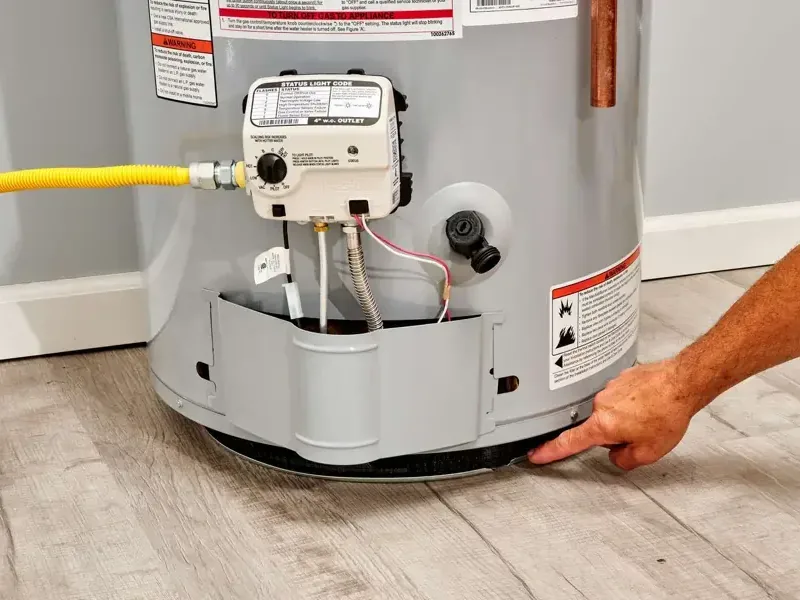
The wet area can extend well beyond the tank footprint. Water follows floor joints, wall plates and thresholds, sometimes entering a room that looks unaffected at first. The mitigation crew inspects those paths after a plumbing professional addresses the heater and any gas or electrical concerns.
First steps for water heater leak cleanup in La Crescenta
Stay clear of the tank
The household avoids hot water, wet electrical controls and gas components. A plumbing professional evaluates safe isolation before anyone works around the damaged heater.
Note adjoining wet areas
Owners observe damp trim or flooring from a safe position and report rooms beside the installation. The visible puddle may not show the full spread.
Protect the access route
Dry belongings stay away from the equipment path. Heavy tank movement and utility disconnection belong to the appropriate professional rather than an improvised cleanup attempt.
Coordinate replacement and drying
The owner shares the heater repair plan with the mitigation contractor so a new unit or enclosure does not block access to materials that remain wet.
How water heater leak cleanup is handled in La Crescenta
The mitigation crew establishes a moisture baseline, selects equipment for the affected assemblies and checks progress against dry reference materials. Recorded readings guide adjustments and the final equipment removal.
- 1
Confirm heater isolation
The restoration lead coordinates with the plumbing professional, checks access around the tank and records the visible release before moving recovery equipment into place.
- 2
Follow floor-level moisture
The assessor measures thresholds, lower wall materials and adjoining rooms, noting any concealed path that extends beyond the installation footprint.
- 3
Extract and dry accessible layers
The crew removes liquid, exposes necessary wet material and sets equipment so a confined closet or utility area can release moisture effectively.
- 4
Check the replacement handoff
Final readings and remaining repair needs are documented before finishes or the new installation close access to the previously wet wall and floor.
Heater leaks need an assembly-specific inspection
County Planning identifies many older homes in La Crescenta-Montrose. The installation inspection identifies the tank location, any drain pan and the materials that received the release. Around Pennsylvania Avenue, the assessor checks the actual installation and nearby floor layers. A replacement tank will not dry water trapped beneath an existing finish.
The technician examines closet corners, lower drywall, trim joints and the opposite side of a shared wall. In Montrose, as elsewhere, access to an adjoining occupied room can be necessary when moisture readings extend beyond the utility space. The scope follows the recorded water path rather than a standard circle around the heater.
- Confirm that the source and utility hazards have been addressed.
- Inspect beneath removable trim and at thresholds where water migrates.
- Keep heater replacement costs separate from building-material mitigation.
Hot water and energy hazards come first
Residents should not touch wet electrical components or attempt gas work. Scalding water and an unstable tank can also make a close inspection unsafe. A property near Foothill Boulevard receives the same source and safety checks before extraction equipment enters. The local corridor does not change the need for a qualified plumbing and utility assessment.
Insurance documentation: drying the heater area without sealing in moisture
Once accessible liquid is removed, the team decides whether wall or floor layers need selective opening. Dehumidification controls room humidity while directed airflow reaches the exposed wet assembly. Readings at the wall base and the adjoining floor show whether the equipment is addressing the full loss.
The documentation includes source observations, photographs before removal, daily moisture logs and an itemized drying scope. The owner asks the insurer about sudden leakage, maintenance exclusions and the equipment itself. County permit information is relevant to permanent repair questions; EPA WaterSense provides broader household leak information.
Water heater leak cleanup across La Crescenta and Los Angeles County
The restoration team serves La Crescenta, CA, including ZIP 91214 and 91224. Properties around Foothill Boulevard, Montrose and Pickens Canyon Park receive moisture assessment according to the actual source, access and affected materials.
Nearby coverage reaches La Canada Flintridge, Glendale, Burbank, Pasadena, South Pasadena.
Related water damage services in La Crescenta

Water Heater Leak Cleanup questions in La Crescenta, CA
01Will replacing the tank solve all the damage?
It stops the failed source once the plumbing work is complete. Water already inside wall bases or flooring can still require extraction and structural drying.
02Can a resident disconnect a wet electric heater?
Wet equipment can present an electrical hazard. The household should keep clear and have the appropriate professional establish safe isolation.
03Does every heater leak stay inside the closet?
No. Water can travel through thresholds and wall bases. Moisture mapping checks adjacent materials even when only the utility space appears visibly wet.
04Can the new heater be installed before drying finishes?
The contractors should coordinate access. A new installation or enclosure can make wet material difficult to reach, so the sequence depends on the actual layout.
05What does the insurer need?
Source observations, photographs, removal decisions and drying records help explain the building damage. The insurer determines policy coverage and any distinction between the tank and resulting loss.
06Is overnight help available for a tank release?
24/7 dispatch accepts active water-loss requests. The caller should describe hot water, utility concerns and whether the tank continues releasing water.
Dry the building after the tank problem is controlled
The mitigation team maps the release, removes accessible liquid and records material readings so heater replacement and building repairs can follow a clear sequence.
La Crescenta Water Damage Restoration · La Crescenta, CA