Water Extraction in La Crescenta, CA
The extraction crew removes pooled water before evaporation becomes the main task. In La Crescenta, moisture checks follow the flow beneath trim, across adjoining rooms and into flooring that can hide a wet backing.
(888) 578-6508Arrange removal before the water spreads farther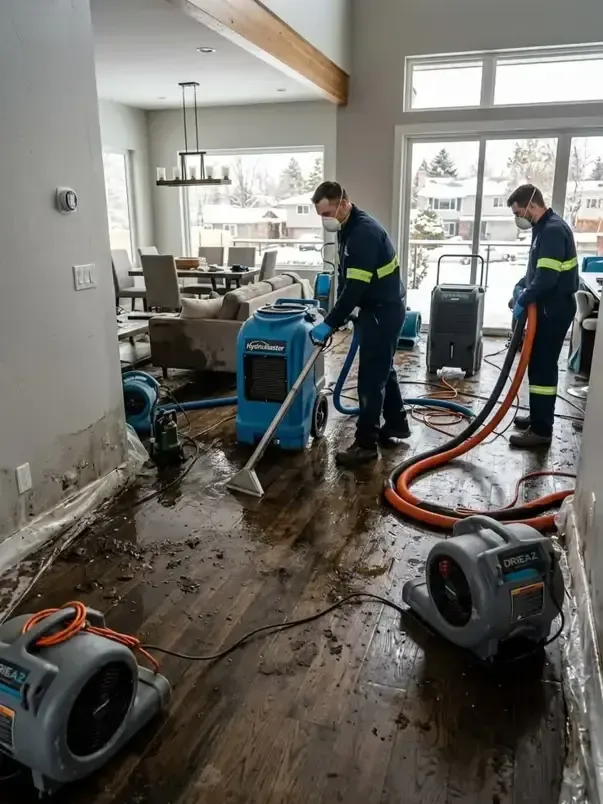
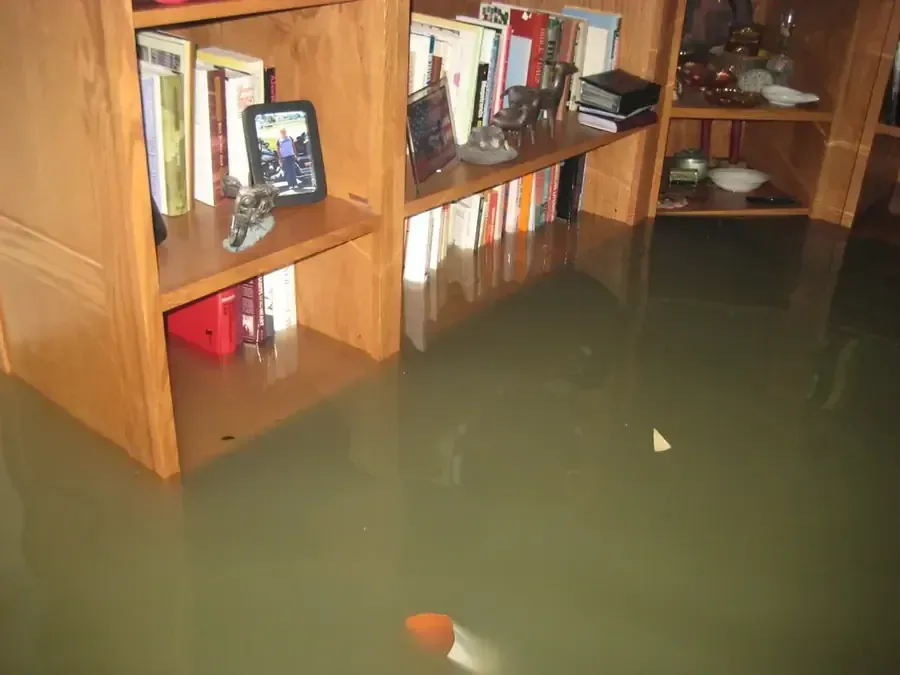
A puddle shows only the water that remains on top. The extraction technician checks the room boundary, carpet backing and wall bottoms while removing the accessible liquid. After pumping, the technician measures surrounding material to locate the moisture that remains beneath the surface. The crew records the initial spread before equipment obscures it.
First steps for water extraction in La Crescenta
Avoid unsafe entry
The household stays outside rooms with submerged electrical equipment, sagging ceilings or uncertain contamination. The response team needs that information before an extraction setup.
Isolate a safe source
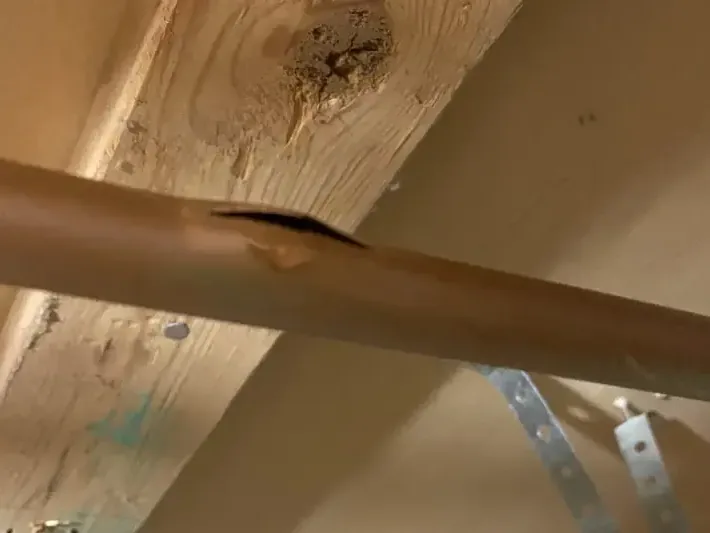
An accessible supply valve can stop a plumbing release, but residents should never cross standing water to reach it or attempt an electrical shutdown.
Keep the wet boundary visible
Owners photograph the water edge and affected belongings from dry ground. Moving heavy furniture can hide evidence and damage a saturated floor.
Describe the affected surfaces
A useful request names carpet, wood, tile and any water below cabinets. The dispatcher also needs to know whether more than one level is involved.
How water extraction is handled in La Crescenta
The mitigation crew establishes a moisture baseline, selects equipment for the affected assemblies and checks progress against dry reference materials. Recorded readings guide adjustments and the final equipment removal.
- 1
Inspect the route
The lead technician identifies the water source and a safe equipment route, then marks affected surfaces before hoses and recovery tools enter.
- 2
Recover the liquid
The operator extracts accessible water with tools suited to the floor, checking edges repeatedly where moisture moves back toward the surface.
- 3
Measure remaining moisture
The assessor compares floor and wall readings with unaffected materials, identifying assemblies that need controlled access or additional recovery before airflow begins.
- 4
Transfer to drying
The drying team records the remaining load and sets dehumidification accordingly. Subsequent readings show progress and identify wet pockets that require further attention.
Water extraction beyond the visible pool
Foothill Boulevard serves both commercial and residential surroundings, so a walkthrough follows water into adjoining rooms instead of stopping at a tenancy boundary. In older homes around Montrose, the assessor identifies the actual floor layers before selecting a tool. County Planning reports that much of the community's housing predates 1979. The inspection identifies each wet finish and the substrate supporting it.
The operator matches the extraction head to the surface. Weighted recovery can pull liquid from salvageable carpet, while a hard-surface tool reaches open flooring. Cabinet recesses, thresholds and furniture feet need separate attention because water can remain there after a broad pass.
- Document the water source and elapsed time before selecting a cleaning method.
- Check nearby dry-looking rooms where seams can carry water out of sight.
- Separate contaminated contents from the route used for dry belongings.
Safe access comes before the hose
Standing water beside outlets or electrical equipment requires qualified assessment. Occupants should not enter a wet room to retrieve a plug or switch. The crew also checks ceilings and slippery floor coverings before carrying equipment through the property. Near Pickens Canyon Park, the crew checks the reported rain timing against the actual entry path and any plumbing symptoms inside the property.
Insurance documentation: extraction records and the drying handoff
The mitigation file includes initial photographs, a room moisture map, the observed water category and notes about recovered liquid and removed materials. Daily readings then show whether the remaining structure is responding. Owners keep that record with the itemized scope and discuss coverage with the insurer; a sudden pipe release and outdoor floodwater may follow different policy provisions.
The federal flood safety guidance explains why water and electrical hazards need caution. The EPA indoor air quality information provides context for controlling indoor moisture after a loss.
Water extraction across La Crescenta and Los Angeles County
The restoration team serves La Crescenta, CA, including ZIP 91214 and 91224. Properties around Foothill Boulevard, Montrose and Pickens Canyon Park receive moisture assessment according to the actual source, access and affected materials.
Nearby coverage reaches La Canada Flintridge, Glendale, Burbank, Pasadena, South Pasadena.
Related water damage services in La Crescenta

Water Extraction questions in La Crescenta, CA
01Can a household vacuum remove the water?
A household vacuum is not designed for water recovery and can introduce electrical hazards. A separate contamination assessment and material moisture survey are needed even when a wet-rated machine removes some liquid.
02Does extraction include structural drying?
Extraction removes accessible liquid. Structural drying addresses moisture absorbed into building materials. The contractor identifies both parts of the scope and explains the equipment each stage requires.
03Why is the carpet still damp afterward?
Backing and pad can retain water below the surface. The crew assesses salvageability, extracts further when appropriate and removes materials that cannot safely remain.
04Is outdoor floodwater treated differently?
Yes. Runoff can carry contaminants that change access, cleaning and material-removal decisions. The team does not treat that water like a fresh clean supply release.
05What determines the final cost?
Affected area, contamination, access and the number of wet layers matter. An itemized assessment separates water recovery from drying, cleaning, demolition and reconstruction.
06Is emergency extraction available overnight?
24/7 dispatch accepts active water-loss requests. The response depends on access, safety and crew availability; the household should describe any electrical or structural concern immediately.
Get the pooled water out of the drying equation
The extraction crew starts with safe access and a source check, then records where moisture remains so the next stage targets the whole loss.
La Crescenta Water Damage Restoration · La Crescenta, CA