Water Damage Restoration in Pasadena
A spreading puddle can reach far beyond the room where a leak began. Pasadena properties need a clear sequence: stop the source, locate wet materials, remove accessible water and measure the drying progress before repairs cover anything.
(888) 578-6508Discuss the rooms affected todayThe source, affected surfaces and access determine the cleanup approach for each property.
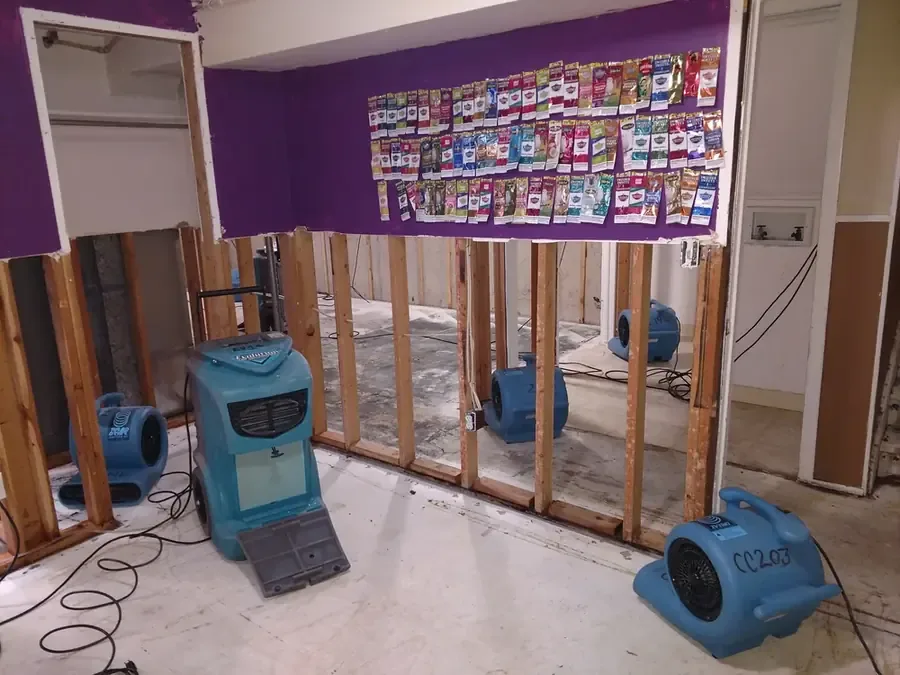
Make the affected area safer
- 1
Keep people clear
Children, pets and other occupants should stay away from wet rooms until electrical exposure, unstable finishes and contamination have been assessed by the appropriate professional.
- 2
Stop accessible water
A reachable shutoff may limit a supply leak when the route is dry and safe. A flooded electrical area requires qualified help before anyone approaches equipment.
- 3
Preserve the initial picture
Photographs from a safe position should capture the source area, affected furnishings and water boundaries before water extraction changes the scene. The time of discovery also matters.
- 4
Separate vulnerable belongings
Dry possessions can move to an unaffected space when access is safe. Heavy furniture resting on softened flooring should remain undisturbed pending an assessment of support.
- 5
Describe the building
The first conversation should identify occupied rooms, inaccessible areas and special finishes. In Bungalow Heaven, retained Craftsman details may influence how drying access is planned.
Cleanup shaped around the source of the water
Different losses leave different problems behind. A roof opening, backed drain or leaking appliance each needs an assessment that connects the entry point with the materials now holding moisture.
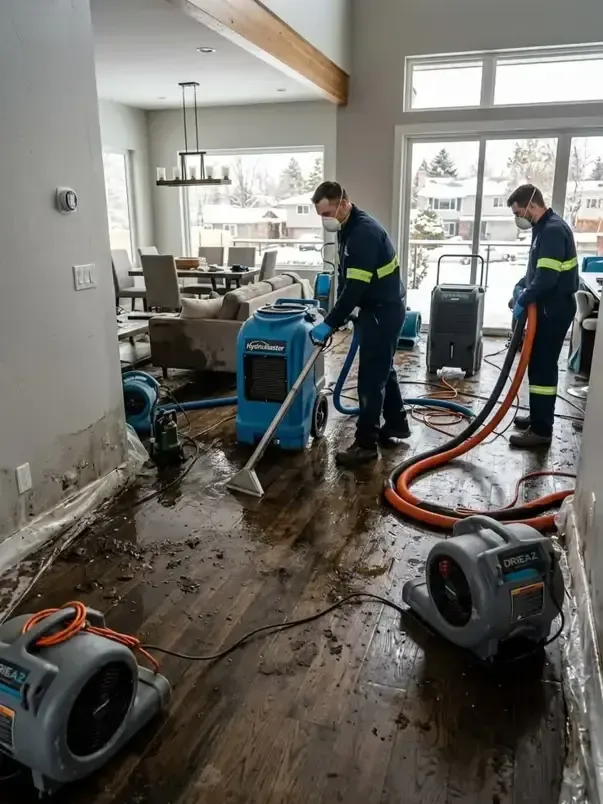
Water Extraction
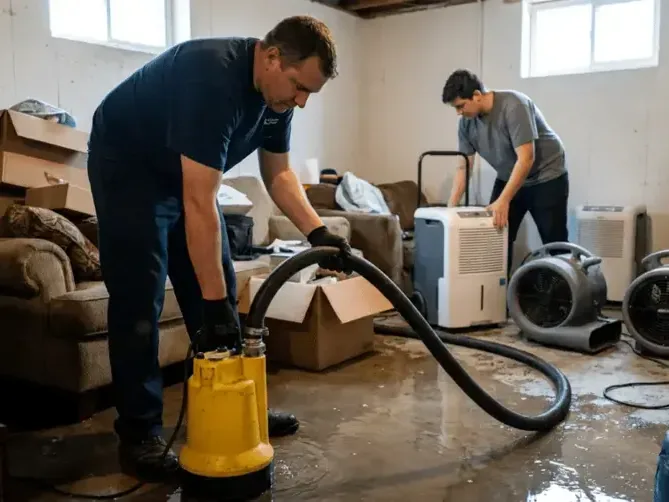
Remove pooled water before evaluating the carpet, floor joints and wall edges beneath the visible puddle.
Water Extraction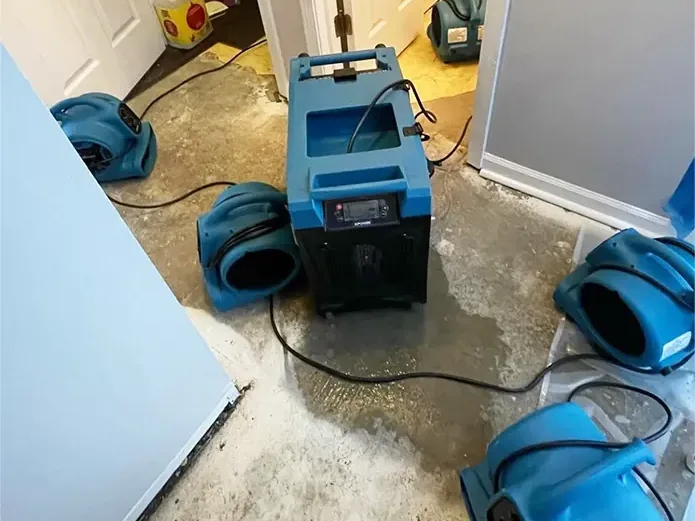
Slab Leak Water Damage
Trace damp flooring above concrete and coordinate drying access with the repair of a buried supply pipe.
Slab Leak Water Damage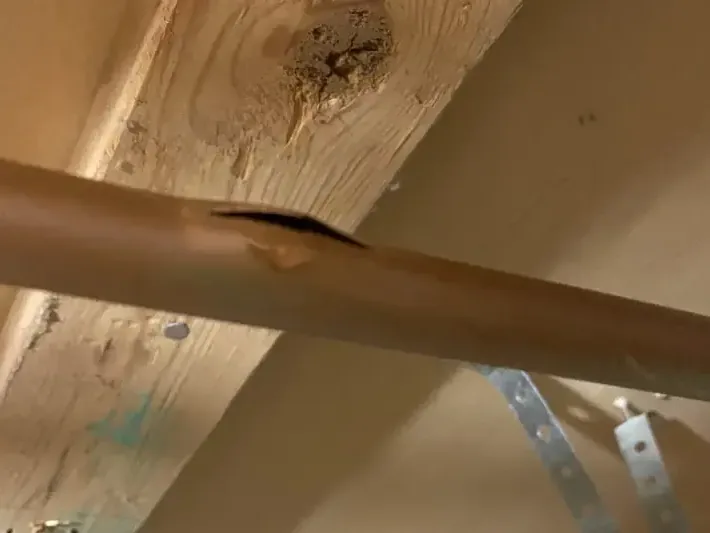
Burst Pipe Water Damage
Follow released supply water through connected rooms and concealed wall spaces after the damaged pipe is isolated.
Burst Pipe Water Damage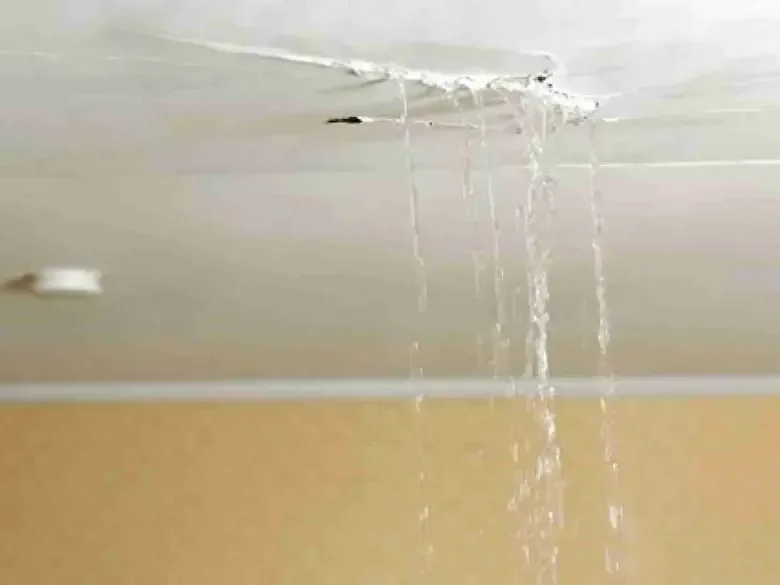
Ceiling Leak Water Damage
Assess dripping seams, softened panels and overhead cavities without exposing occupants to loose ceiling material.
Ceiling Leak Water Damage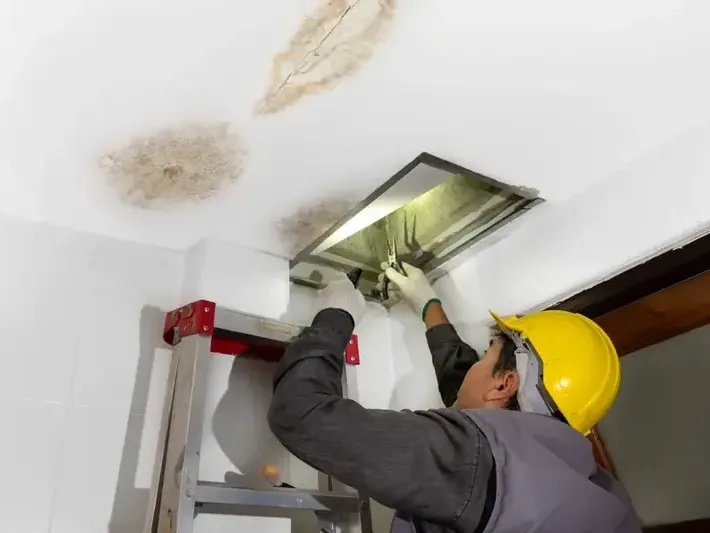
Roof Leak Water Damage
Separate exterior roof work from interior attic and ceiling drying after rain enters the building.
Roof Leak Water Damage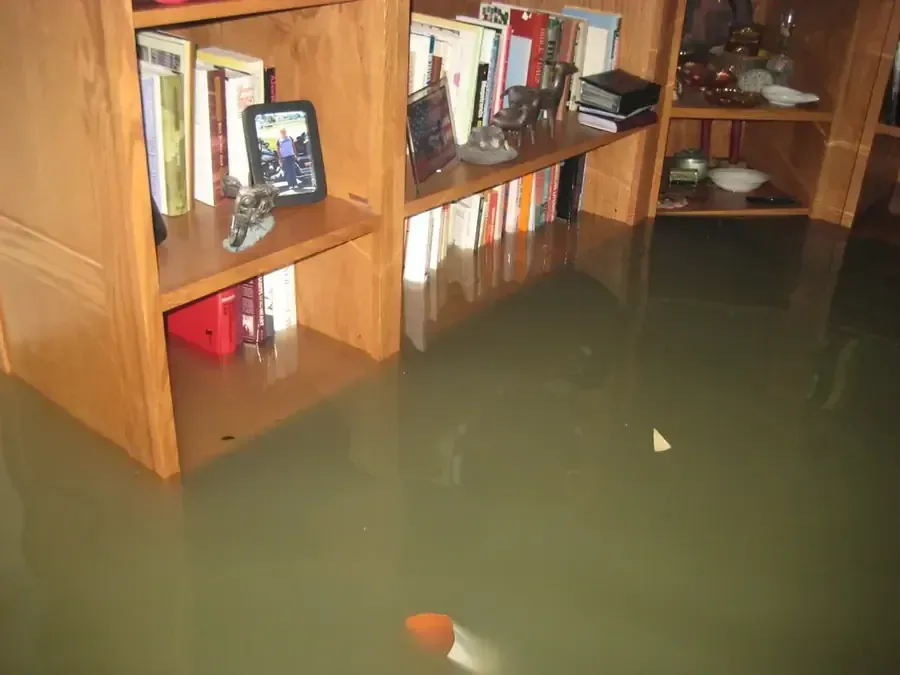
Storm Flood Cleanup
Address incoming runoff, deposited sediment and affected contents with containment suited to the water source.
Storm Flood Cleanup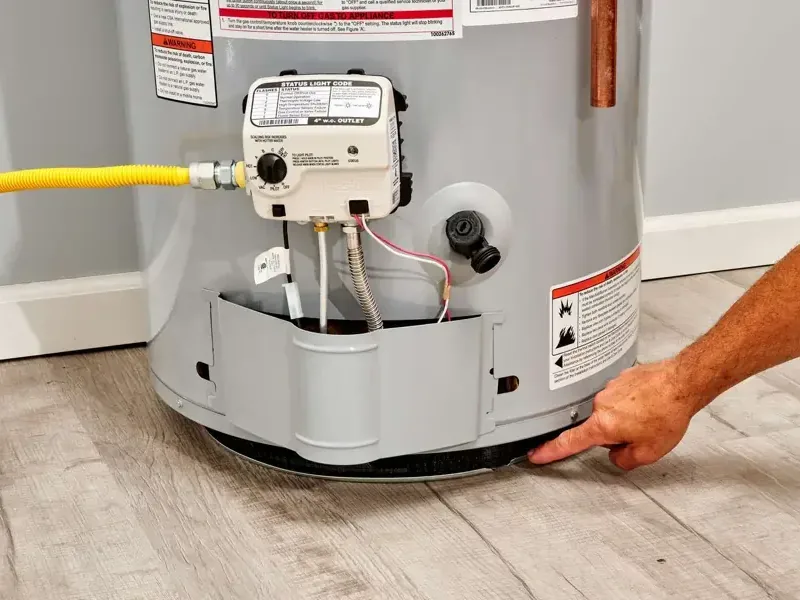
Water Heater Leak Cleanup
Check the tank surroundings and adjacent partitions for water trapped beneath equipment or behind trim.
Water Heater Leak Cleanup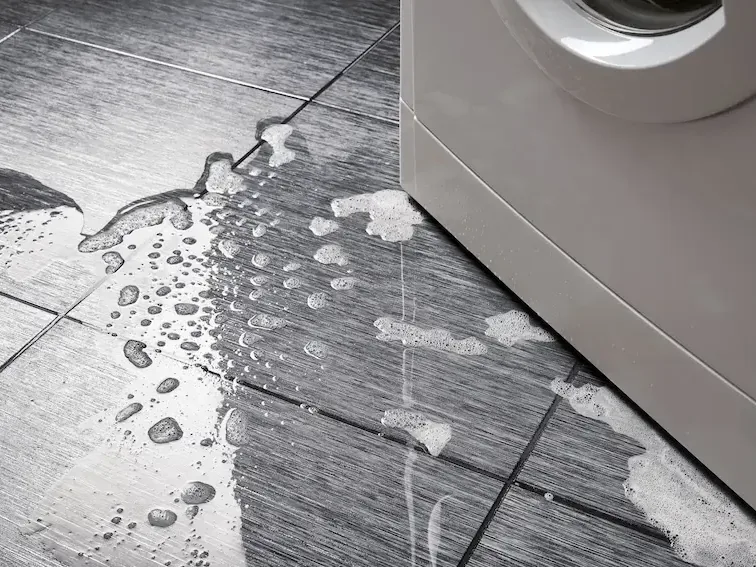
Appliance Leak Water Damage
Investigate wet cabinetry and floor layers around dishwashers, laundry equipment and refrigerator water connections.
Appliance Leak Water Damage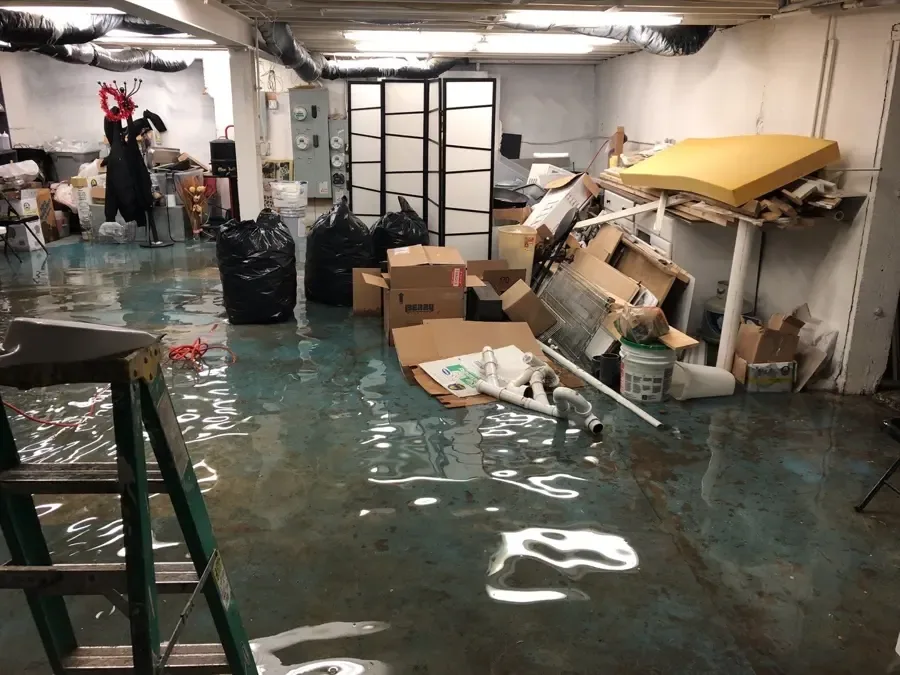
Sewage Backup Cleanup
Restrict access to contaminated rooms and remove affected porous materials before cleaning remaining surfaces.
Sewage Backup Cleanup
Structural Drying
Track moisture inside retained assemblies while dehumidification and directed airflow support a measured drying endpoint.
Structural Drying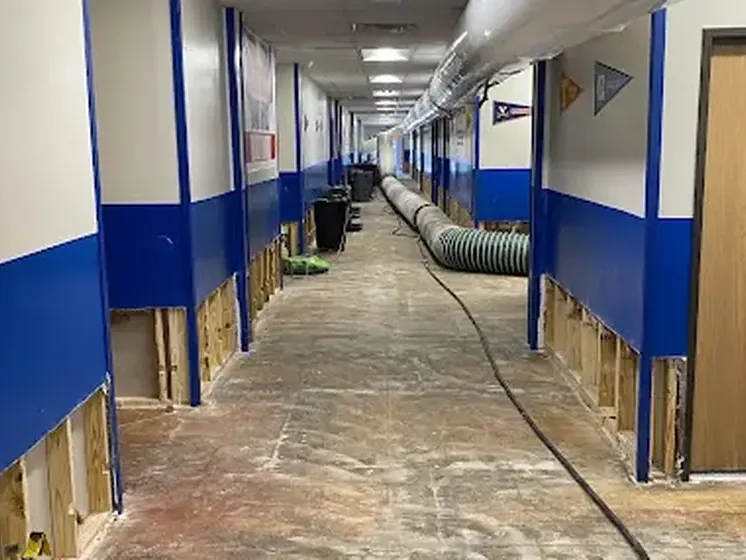
Commercial Water Damage
Organize occupied premises, stock protection and access decisions around the boundaries of the water loss.
Commercial Water Damage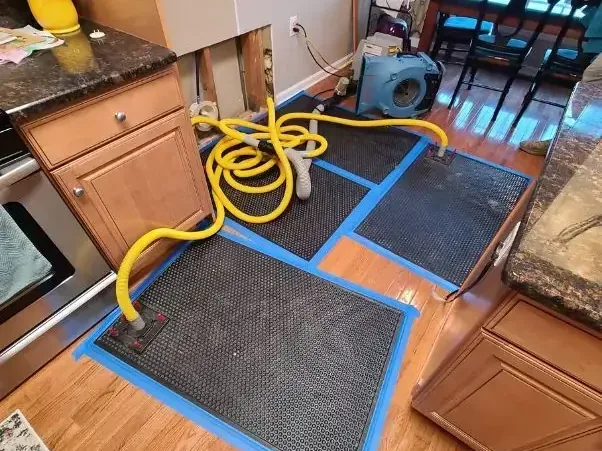
Hardwood Floor Water Damage
Evaluate wet boards together with the substrate before deciding whether drying or selective replacement fits.
Hardwood Floor Water DamageDrying follows the material, not the calendar
A dry surface can sit above damp backing or framing. Moisture measurements connect the visible damage with concealed layers, helping determine what can remain and what needs access, removal or further observation before finish work begins.
- 1
Establish the starting condition
An initial inspection records the source, water movement and material readings. Photographs tie the readings to recognizable room features so later changes can be understood.
- 2
Reduce the water load
Extraction removes accessible liquid before equipment addresses retained moisture. Unsalvageable wet materials are separated from items that can stay in the drying area for treatment.
- 3
Adjust the drying setup
Air movement and dehumidification are matched to the exposed assemblies. Measurements help identify sections that need a different structural drying approach rather than simply adding equipment everywhere.
- 4
Document the handoff
The final record identifies the materials assessed, the remaining repair needs and the drying observations. Replacement finishes follow the documented condition of the underlying structure.
Decisions that protect the remaining building
Properties around Orange Grove Boulevard include historic residential settings. Existing finishes deserve careful documentation, while wet materials still need practical access. A useful restoration scope explains those decisions in plain terms before the work changes the room.
Source assessment
A stain identifies where water appeared, not necessarily where it began. Source findings should distinguish plumbing work, exterior repairs and the separate interior cleanup task.
Material documentation
Photographs and readings preserve the condition of retained trim, flooring and wall surfaces. This record helps explain selective removal and supports later matching decisions.
Measured drying
Equipment remains a means of drying wet material. Progress readings show whether the approach is working and where another opening or adjustment may be needed.
Clear handoff
The cleanup record should make remaining construction work visible. Replacement finishes, painting and source repairs need defined responsibilities so an incomplete task does not disappear between trades.
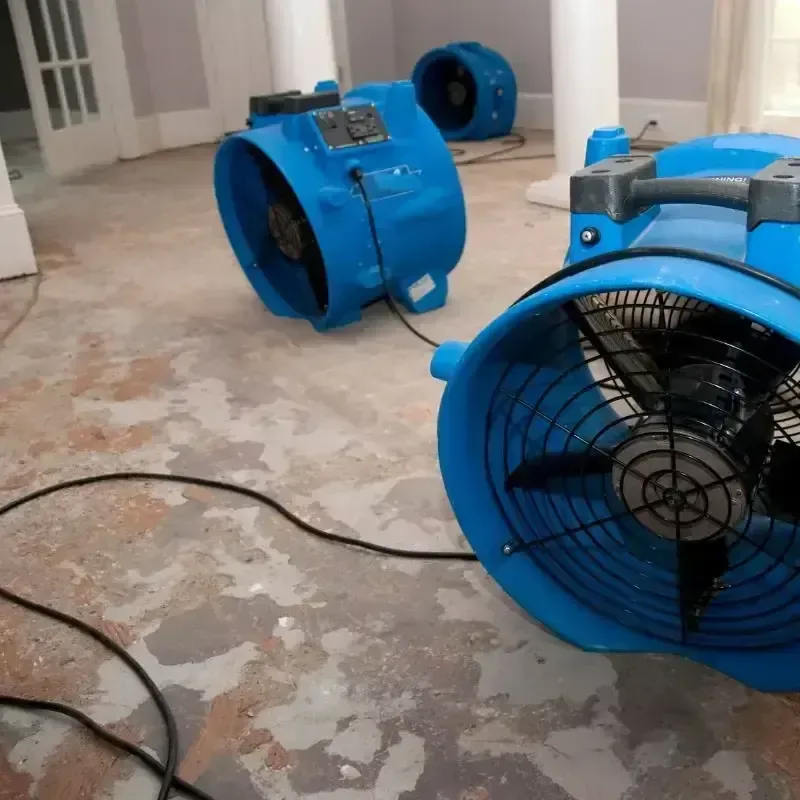
The source helps set the cleanup boundaries
Supply water release
A broken supply connection can soak clean materials before spreading into dirtier spaces. The assessment considers both the original source and everything contacted afterward.
Follow the extraction assessmentUsed appliance water
Water escaping during a wash cycle needs a different evaluation from a fresh supply drip. Residue, hidden cabinetry and wet floor backing affect treatment.
Examine appliance spill layersDrain contamination
A sewage return requires restricted access and controlled handling. Household fans and routine surface wiping are unsuitable substitutes for removal of contaminated porous materials.
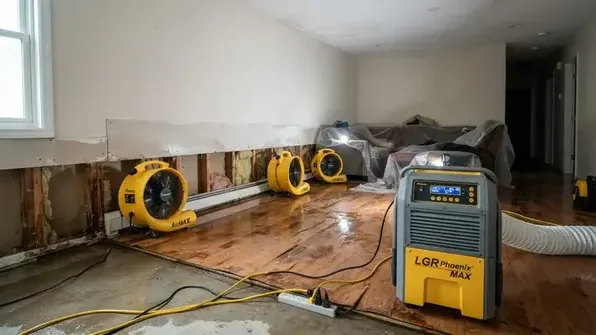
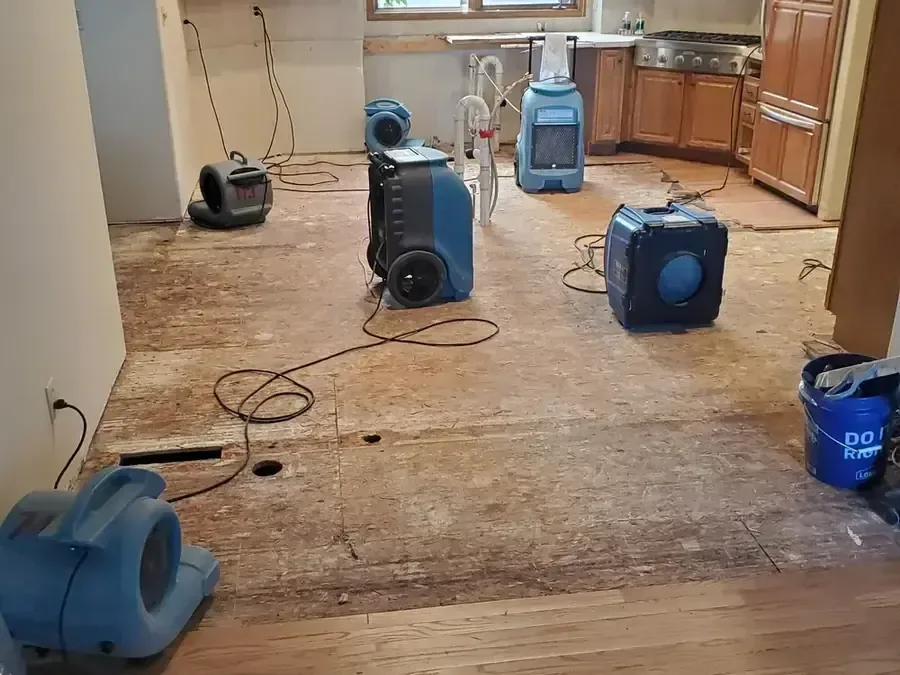
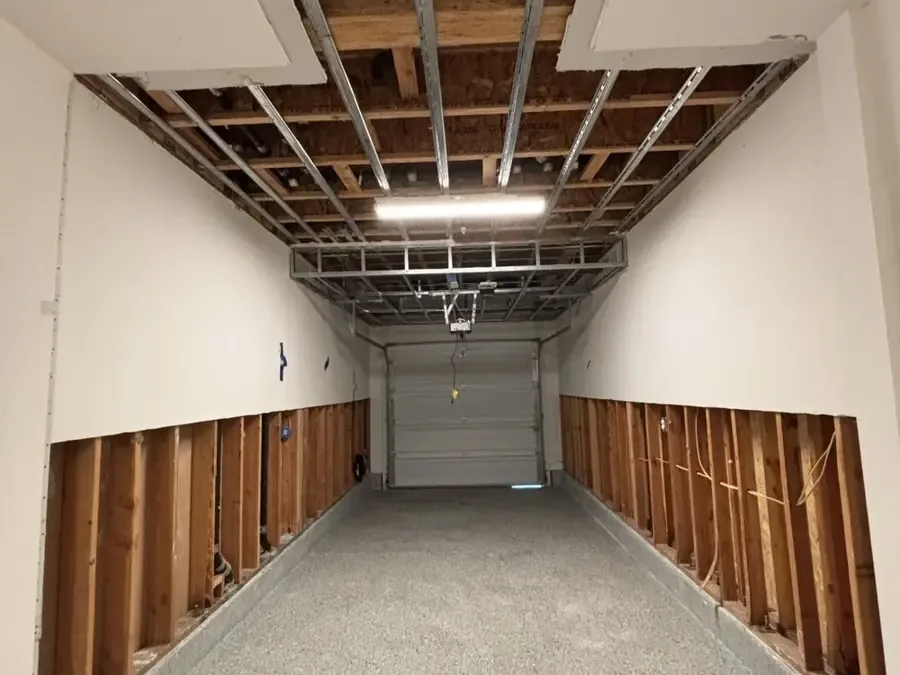
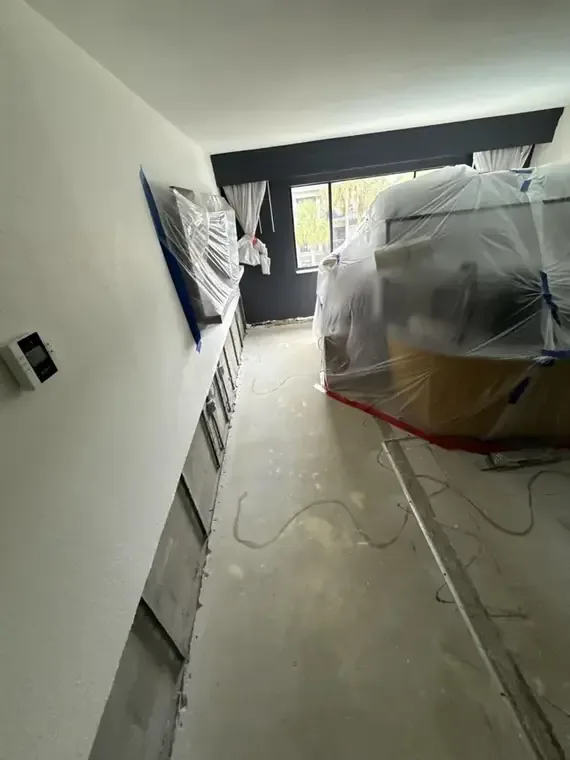
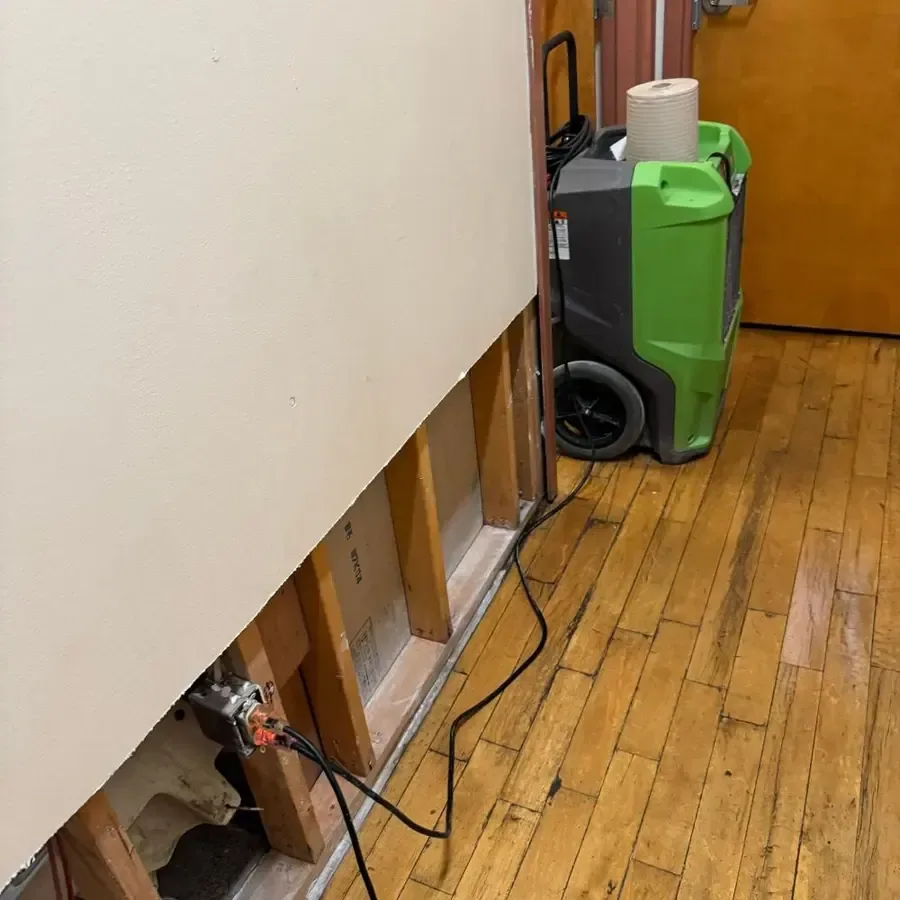
Understand sewage containmentExamples of access, removal and drying equipment
Document the loss as it changes
An organized file connects the original damage with cleanup decisions and invoices. Coverage decisions remain with the property's insurer and policy terms.
- Record the discovery time and the rooms showing water before moving affected possessions.
- Photograph damaged belongings individually when safe access allows clear identification and condition notes.
- Keep source repair findings with the cleanup estimate and any approved scope changes.
- Request moisture records that identify the room and material associated with each reading.
- Separate emergency mitigation charges from later reconstruction costs in the retained paperwork.
When paying directly
A property owner arranging cleanup without a claim still benefits from a written scope. It should describe the proposed removals, drying equipment, monitoring visits and the conditions that could change the estimate.
Approval should follow an explanation of what the price includes. If additional wet layers appear after opening a surface, photographs and an updated scope make that change easier to evaluate before more work proceeds.
Different pathways into the same room
Pacific storms return by November, while rainfall tapers significantly by April. Interior plumbing failures can occur independently of that seasonal pattern, so each wet area needs its own source assessment.

March 2, 1938: Pasadena recorded 7.70 inches of rain on March 2, 1938. During heavy rainfall, an interior inspection should track actual entry points, wet openings and affected materials before assigning the cleanup scope to a particular source.
- Retained historic details Bungalow Heaven contains small Craftsman homes. Where original finishes remain, documentation and access planning separate repairable materials from components too damaged to retain.
- Roof and attic paths Water entering above a room can move along framing before appearing below. The visible ceiling stain may therefore be separate from the exterior opening needing repair.
- Runoff and floor edges The Arroyo Seco Channel is a major tributary of the Los Angeles River. At an affected building, the actual water entry route determines interior containment and cleaning.
- Hidden appliance moisture A small puddle beside cabinetry can conceal damp backing and flooring. Inspection should include adjacent compartments instead of stopping where the exposed tile appears dry.
- Occupied commercial rooms One Colorado contains shops and restaurants in renovated historic architecture. Business cleanup needs material assessment and separation between wet areas and occupants.
Questions about a wet property
01What information helps during the first cleanup conversation?
The source, discovery time and rooms affected provide a useful starting point. The caller can also describe standing water, ceiling movement, sewage odors and electrical exposure. Photographs are helpful when taken from a safe location without entering the damaged area.
02Can an apparently dry floor still need attention?
Yes. Water can remain beneath a finish, inside a wall base or in absorbent backing after the visible puddle disappears. Material readings and inspection of connected surfaces help decide whether extraction alone is enough or additional drying access is needed.
03How are historic finishes handled during cleanup?
Existing details should be photographed before removal decisions. Designated properties may need preservation approvals for certain alterations. The proposed repair work can be discussed with the Pasadena Permit Center while the cleanup team identifies safe access to materials that are still wet.
04Does every water loss require removing the walls?
No. Removal depends on saturation, contamination, material condition and the ability to reach wet cavities. A sound surface may remain when drying can be verified. A damaged or contaminated porous layer may need removal even if its exposed face looks intact.
05What distinguishes a drain backup from a supply leak?
A backup can introduce waste and contamination into occupied rooms. Access restrictions, removal methods and cleaning decisions change accordingly. Sewage cleanup needs assessment of everything the water touched, especially when the release traveled through dirty cavities or remained unnoticed.
06When can the replacement flooring be installed?
Installation follows a suitable condition in the substrate and surrounding assemblies. A surface that feels dry alone is insufficient. The flooring installer needs the drying record and material requirements before deciding that the floor is ready for adhesives, underlayment or replacement boards.
07Does the utility handle damaged interior plumbing?
Pasadena Water and Power identifies property plumbing and treatment devices as the customer's responsibility. A loss inside a building therefore needs the source assessed at that property. Repairing the faulty component and drying the affected materials are separate parts of the response.
08What should a business do with wet inventory?
Affected items should be documented and separated from dry stock when safe handling is possible. A written inventory can identify packaging damage, direct water contact and disposal decisions. Equipment routes and work boundaries should keep the loss from disrupting otherwise usable rooms.
09Does the cleanup estimate settle the insurance claim?
No. The estimate describes proposed work and costs. Policy terms and the insurer's assessment determine coverage. Source findings, photographs, invoices and moisture records support the claim file, while an owner still needs to understand and approve the actual work being proposed.
Turn the visible damage into a practical plan
Water removal, concealed moisture checks and documented drying belong in a connected scope. The first step is a clear description of the affected property and its present conditions.
La Crescenta Water Damage Restoration · La Crescenta, CA