Water Extraction in Pasadena
Pooling water presses into joints, backing and nearby wall bases while the exposed room becomes harder to use. Extraction starts with safe access and continues into the wet materials that a pump cannot empty.
(888) 578-6508Discuss pooled water across the rooms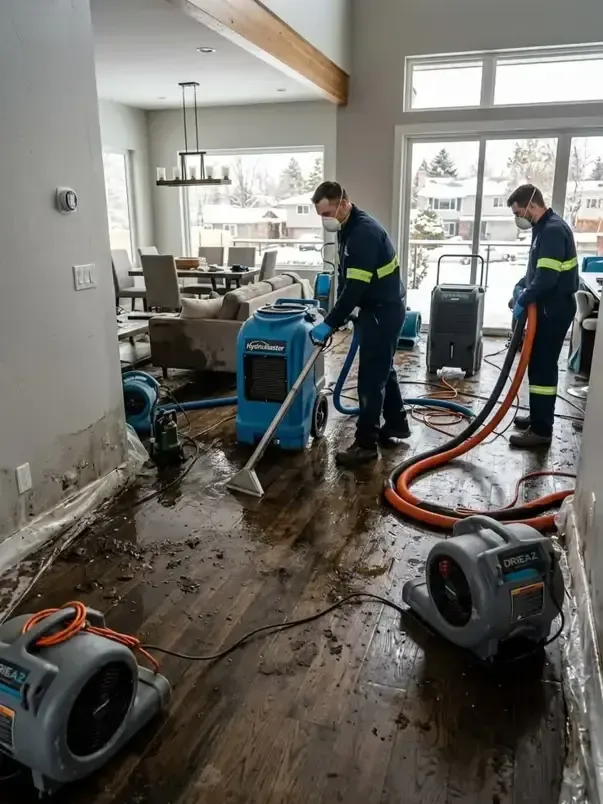
Water extraction in Pasadena begins by identifying where the liquid can be removed safely. A hallway puddle may connect to wet carpet in a bedroom or a damp wall base behind furniture. Mapping that spread helps avoid clearing the most obvious area while leaving another room saturated and difficult to dry.
First steps for water extraction in Pasadena
Describe the visible spread
The caller can identify which rooms contain water, whether the source has stopped and whether a dry access route exists without approaching energized equipment or unstable finishes.
Protect the usable spaces
Dry belongings can be separated where safe handling allows. Occupants should avoid carrying wet items through unaffected rooms, especially when the source or contamination is still uncertain.
Open an equipment route
Access arrangements should account for doors, furnishings and delicate surfaces. The inspection determines whether moving an item is safe before extraction equipment reaches the pooled area.
Retain the starting record
Images taken before cleanup should remain with the discovery notes. Later photographs can show water removal without erasing the original extent from the property owner's documentation.
How water extraction is handled in Pasadena
The mitigation crew establishes a moisture baseline, selects equipment for the affected assemblies and checks progress against dry reference materials. Recorded readings guide adjustments and the final equipment removal.
- 1
Inspect the water path
Assessment follows the release into neighboring surfaces. Electrical hazards and contamination determine how the extraction area is approached and separated from occupants during the work.
- 2
Recover accessible liquid
Suitable extraction equipment removes pooled water from reachable surfaces. Care around joints and transitions exposes the condition without treating a cleared surface as finished.
- 3
Measure the hidden remainder
Readings at wall bases, flooring and adjacent materials identify retained moisture. Findings establish whether selective access or a dedicated drying setup should follow removal.
- 4
Explain the next work
The handoff records extracted areas and remaining concerns. A continuation scope distinguishes material drying, selective removal and reconstruction so the owner can evaluate each task.
Choose access around the existing finishes
Bungalow Heaven has small Craftsman homes built from 1900 to 1930. At a property with retained trim or woodwork, equipment paths and hose placement need care. An extraction plan should identify vulnerable edges, protect unaffected surfaces and explain which wet layers remain after accessible water is removed. Existing material condition belongs in the initial photographs.
Orange Grove Boulevard is associated with historic mansions. Large or detailed interiors need a room by room assessment of water movement, with decisions based on the actual floor construction. Removing water above a finish does not empty the backing below it.
- Wet electrical equipment requires qualified isolation before extraction work approaches the area.
- Heavy furnishings can conceal puddles and complicate access to saturated floor sections.
- Water carrying drain waste needs containment suited to contamination before handling begins.
Identify what still holds water
Old Pasadena is the city's original commercial district. An affected shop may have stock, fixtures and occupied areas competing for access. Extraction routes should keep wet equipment away from dry inventory. Material readings then identify the remaining drying task, including absorbent partitions, floor joints and backing that cannot be evaluated by appearance alone.
The structural drying process continues where bulk removal stops. A clear handoff identifies retained wet materials, any needed openings and the areas already accessible for moisture measurements.
Extraction records for an insurance file
Photographs should show the initial water boundary and the condition after removal. The written scope can distinguish extraction labor from material disposal, equipment monitoring and rebuilding. An insurer determines coverage under the applicable policy; cleanup records describe the work actually performed.
Water extraction across Pasadena and nearby towns
Properties around Bungalow Heaven, Orange Grove Boulevard and Old Pasadena can describe the affected rooms, floor finishes and safe entry route when arranging an extraction assessment and the next drying steps.
The same service nearby: water extraction in La Crescenta, South Pasadena, La Canada Flintridge.
Related water damage services in Pasadena
Water Extraction questions in Pasadena, CA
01Will extraction dry everything beneath the carpet?
Extraction reduces liquid in accessible carpet and backing, but underlying layers may retain moisture. Inspection determines whether lifting, removal or continued drying is needed beneath the exposed surface.
02Can household equipment remove all the water?
Household equipment may miss water under finishes or inside connected rooms. The important question is which materials remain wet after removal and how their condition will be measured.
03Should furniture move before the crew arrives?
Only safely handled belongings should move through a dry route. Heavy pieces, unstable flooring and electrical exposure can make moving furniture more hazardous than leaving it for assessment.
04Does clear looking water need source assessment?
Yes. Appearance alone does not show what the water contacted. The source, travel path and time in the building affect cleaning and material decisions after extraction.
05Can a shop stay partly occupied?
A separate usable area may remain available when access and contamination boundaries permit. Equipment routes, electrical conditions and customer separation need assessment before continuing normal activity nearby.
06What proves that extraction has been completed?
The record should identify recovered areas and remaining moisture findings. Completion of bulk removal does not mean the entire structure is ready for rebuilding or replacement flooring.
Assess the water beyond the puddle
Accessible water needs removal, and retained moisture needs a separate plan. Discuss the affected surfaces so extraction can lead into appropriate drying and a documented handoff.
La Crescenta Water Damage Restoration · La Crescenta, CA