Water Extraction in South Pasadena
A room full of water needs an orderly removal plan. South Pasadena extraction starts with safe entry, the source of the release and access to the floor edges where water continues spreading.
(888) 578-6508Discuss the pooled water situation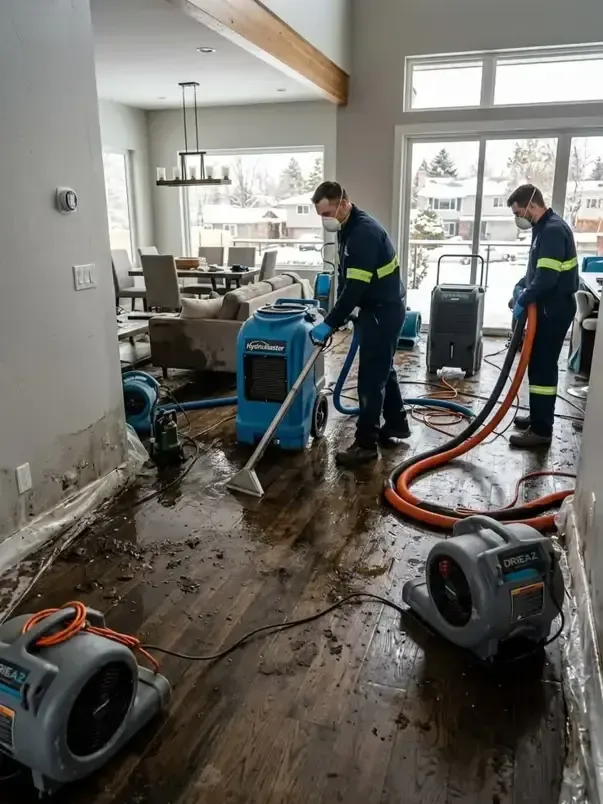
The first photograph often shows a puddle; the useful inspection also follows its edges. Water can collect beneath movable belongings, pass through flooring joints and reach a neighboring room before anyone notices. Extraction reduces the bulk water load so the remaining wet materials can be assessed and treated.
First steps for water extraction in South Pasadena
Stay on dry ground
A wet floor near electricity requires hazard assessment before entry. Photograph from the doorway when possible and keep children, pets and visitors outside the affected area.
Identify an active discharge
Report whether water is still arriving and whether a safe shutoff is available. Continued discharge can refill cleared rooms and change the equipment or access requirements.
Arrange permission to enter
For rented or shared property, contact the person responsible for access. Note locked spaces and neighboring rooms that may need inspection after the initial extraction.
Protect the inspection route
Move only dry, safely reachable belongings out of the way. Preserve a clear path to wet floor edges without carrying contaminated objects through unaffected rooms.
How water extraction is handled in South Pasadena
The mitigation crew establishes a moisture baseline, selects equipment for the affected assemblies and checks progress against dry reference materials. Recorded readings guide adjustments and the final equipment removal.
- 1
Locate reachable water
The assessment identifies standing water, trapped pockets and surfaces suitable for extraction. Source information and room conditions determine how equipment can be introduced safely.
- 2
Clear the bulk load
Water removal follows an organized path through the affected space. Furnishings and floor coverings are assessed so pooled water does not remain hidden behind them.
- 3
Check connected layers
Moisture readings at transitions and wall bases identify where extraction alone leaves a problem. The findings inform access decisions and the separate drying scope.
- 4
Document remaining work
A closing extraction record identifies cleared areas and wet materials still requiring attention. Property contacts receive the next steps for drying, cleaning or source repair.
Arrange access beyond the visible pool
South Pasadena had a renter occupancy share of 55.7% in 2020. A tenant reporting soaked flooring should involve the property manager early, particularly when a locked utility room or adjoining unit may need inspection. Identifying who can authorize entry helps prevent gaps between the room being emptied and the rooms still holding water.
For a property near Garfield Park, the initial description should identify the affected floor and the safest entrance. At an occupied building around Library Park, keeping a dry route for residents may influence hose placement. Mission West property contacts should mention stock or furnishings that obstruct access to wet edges.
- Keep occupants away from water touching outlets or powered equipment.
- Describe the source before treating the water as a routine spill.
- Leave swollen doors and unstable finishes for inspection rather than force.
Removal is the start of the material assessment
Extraction equipment reaches accessible water and moisture held in suitable floor coverings. After water recovery, the technician checks the underside of flooring and enclosed wall spaces for retained moisture. Perimeter measurements and inspection of transitions help identify where water traveled after leaving its source.
When deeper layers remain wet, structural drying addresses the remaining moisture load. A contaminated discharge may instead require controlled removal of absorbent materials before normal drying equipment is positioned.
Insurance records for extracted water
Capture the room layout, affected belongings and visible water from a safe vantage point. The extraction record should describe the areas treated, coverings evaluated and materials left for drying. Keep the source repair information separate so the carrier can follow the event and the response.
Water extraction across South Pasadena and nearby towns
Extraction planning includes properties near Garfield Park, Library Park and Mission West. Provide the occupied rooms, available entrances and any restrictions that could affect moving equipment through the building safely.
The same service nearby: water extraction in La Crescenta, Pasadena, Glendale.
Water damage restoration in South Pasadena · every town covered
Related water damage services in South Pasadena
Water Extraction questions in South Pasadena, CA
01Can a household vacuum remove the puddle?
Ordinary household vacuums are unsuitable for water. Electrical exposure and contamination must be assessed before any removal equipment enters a wet room.
02Does furniture need to leave first?
Accessible dry pieces may be moved safely. Heavy, unstable or contaminated belongings require a plan that protects occupants and keeps clean areas separate.
03Will extracting carpet dry the backing?
Extraction removes accessible moisture, but backing and underlay require assessment. Material condition and source contamination determine whether retention and further drying are appropriate.
04What if water reaches another apartment?
Notify the manager so inspection access can include connected spaces. Water removal in the reporting unit may leave an adjoining assembly wet.
05Is a disappearing puddle a good endpoint?
Water can disappear into absorbent layers. Measurements at floor edges and adjoining materials are needed to establish what remains after the visible pool is gone.
06What belongs in the extraction paperwork?
Include affected rooms, source details, photographs and the work performed. Separate records for drying and repairs help explain the whole response to the carrier.
Clear the pool and assess the layers
South Pasadena property contacts can begin with the rooms affected and any electrical or contamination concerns. The inspection determines removal methods and what needs continued drying.
La Crescenta Water Damage Restoration · La Crescenta, CA