Water Extraction in Glendale, CA
Standing water changes how a room can be entered and what remains salvageable. Extraction in Glendale focuses on safely recovering that liquid, then finding the damp materials a cleared floor can hide.
(888) 578-6508Discuss water pooling inside the property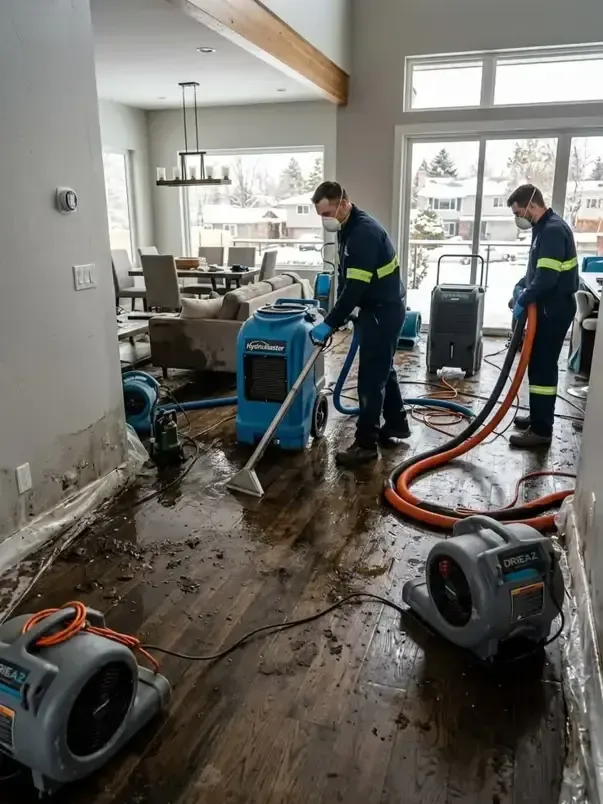
During the late December 2025 storms, water entered the first floor of the Glendale Police Department building. Indoor water can interrupt an occupied space even when the source lies outside. Extraction starts by defining the affected floor area, identifying electrical hazards and establishing where recovered water can be handled appropriately.
First steps for water extraction in Glendale
Restrict the wet approach
People should remain on dry footing while the room is assessed. Electrical devices, unstable ceilings and possible contamination influence whether an area can be entered safely.
Identify continuing water entry
A running supply leak or open rain entry can refill a cleared floor. Coordinate source control so recovery equipment works toward a stable condition rather than repeated accumulation.
Recover across the affected footprint
Extraction moves through accessible wet surfaces, including edges around fixtures. Furniture placement and changes in flooring can require different recovery methods within the same room.
Check what remains beneath
After puddles disappear, inspect the materials that held the water. Moisture readings and accessible layer checks define the transition from extraction into a monitored drying plan.
How water extraction is handled in Glendale
The mitigation crew establishes a moisture baseline, selects equipment for the affected assemblies and checks progress against dry reference materials. Recorded readings guide adjustments and the final equipment removal.
- 1
Map the liquid footprint
Record pools and adjacent damp surfaces before recovery changes their appearance. Marked locations distinguish extraction areas from materials requiring later drying attention.
- 2
Match tools to surfaces
Carpet, hard flooring and confined spaces may need different recovery tools. Equipment selection accounts for material condition and contaminants carried by the water.
- 3
Revisit the room edges
Liquid often lingers near transitions and fixed furnishings. Rechecking those points after the central floor clears helps locate accessible water beneath nearby surfaces.
- 4
Hand off to measured drying
The remaining moisture pattern sets the next scope. Equipment placement and later readings should connect to the assemblies documented during the initial assessment.
Follow the puddle beyond its visible edge
A broad wet patch may connect to a much smaller opening under furniture or at a doorway. Water can remain in carpet backing, floor joints or wall bases after the exposed liquid is removed. The inspection should include neighboring rooms and changes in floor level, with findings marked so later drying checks reach the same locations.
South Glendale includes apartments and condominiums, where access to adjoining spaces may require coordination with a building manager. In Adams Hill, an assessment likewise starts with the actual room layout. Property access and material condition determine the extraction approach rather than a neighborhood label.
- Clear dry access for hoses without crossing unsafe electrical areas.
- Separate wastewater concerns from a contained supply leak before equipment use.
- Record furniture positions where water may have collected beneath heavy pieces.
Extraction equipment serves a specific part of cleanup
A recovery wand, pump or other extraction tool removes accessible liquid. It cannot by itself establish that a floor assembly is dry. Once the standing water is gone, readings help determine whether moisture remains in materials that need structural drying. Wet porous materials may need separate handling when contamination or deterioration prevents practical retention.
Occupants should avoid entering pooled water around outlets or powered equipment. Moving a wet cord or plugging in a household vacuum can introduce a hazard before the room has been assessed.
Insurance records for water removal
Photographs of the water boundary, source observations and extraction areas give the loss a clear starting record. Keep the initial scope with any source repair invoice and the subsequent moisture notes. Those documents explain what liquid was removed and what drying work remained.
After recovery, wet wood floor assessment may be appropriate where boards have changed shape. Any remaining finishes should be evaluated in their present condition before replacement or refinishing is scheduled.
Water extraction across Glendale and nearby towns
Extraction planning covers occupied rooms, open floors and difficult edges around furnishings. Near Brand Boulevard or elsewhere in the city, describe the affected level and safe access before equipment is brought inside.
The same service nearby: water extraction in La Crescenta, La Canada Flintridge, Burbank.
Related water damage services in Glendale

Water Extraction questions in Glendale, CA
01Is extraction useful after the puddle spreads out?
Yes. Thin water layers and saturated flooring can still hold recoverable liquid. An assessment determines which surfaces benefit from extraction and which need drying access.
02Can a household vacuum remove indoor water safely?
Ordinary vacuums should stay away from wet areas. Electrical safety and the type of water need assessment before powered recovery equipment enters the room.
03Does every soaked carpet have to be discarded?
Material condition, water contamination and the backing determine the decision. Accessible carpet may be evaluated separately from padding or other layers holding water underneath.
04Why inspect a room beside the visible puddle?
Flooring transitions and wall openings can carry water into adjoining spaces. Those rooms may need moisture checks even when the exposed floor looks unaffected.
05Will extraction alone flatten wet wooden boards?
Removing liquid limits further exposure, but board shape depends on moisture within the flooring and substrate. A separate floor assessment informs the drying decision.
06What should be recorded before water removal begins?
Photograph the visible extent from a safe position and note the discovery time. Keep source observations with later extraction details and material moisture measurements.
A cleared floor needs a moisture check
Water removal is the opening phase of a complete cleanup. Arrange an assessment that connects recovered liquid with the materials still requiring drying or selective removal.
La Crescenta Water Damage Restoration · La Crescenta, CA