Storm Flood Cleanup in Glendale
Outdoor water can bring dirt into rooms while soaking finishes from the floor upward. Glendale storm cleanup begins with safe entry and the water's path, then separates removable debris from materials needing careful assessment.
(888) 578-6508Discuss runoff entering the building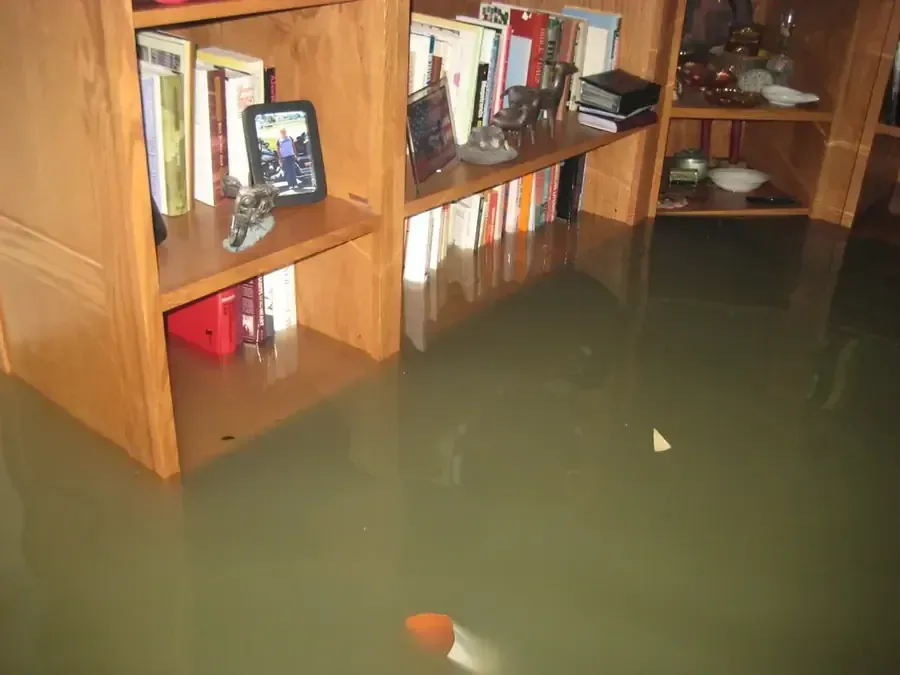
Late December 2025 rainstorms damaged Glendale facilities, sidewalks, roads and a debris basin. Storm recovery inside a building starts with the water actually encountered there: where it entered, what debris it carried and which rooms it reached. Safe access comes before moving belongings or trying to push dirty water outside.
First steps for storm flood cleanup in Glendale
Assess safe entry
Flooded rooms may contain electrical hazards, loose material and contaminated water. Restrict the space until the access route and immediate building conditions have been assessed.
Record the outdoor water entrance
Photos of water marks and deposited dirt help describe the path indoors. Note affected doorways and rooms before clearing belongings or removing material changes the scene.
Separate recoverable surfaces from damaged layers
Hard surfaces and soaked porous materials need different handling. Cleanup decisions should account for debris and contamination before air movement or ordinary occupancy resumes in the affected space.
Check retained assemblies after cleanup
Once liquid and deposits are removed, evaluate moisture inside the materials that remain. Drying equipment and later measurements should follow the affected floor edges and wall bases.
How storm flood cleanup is handled in Glendale
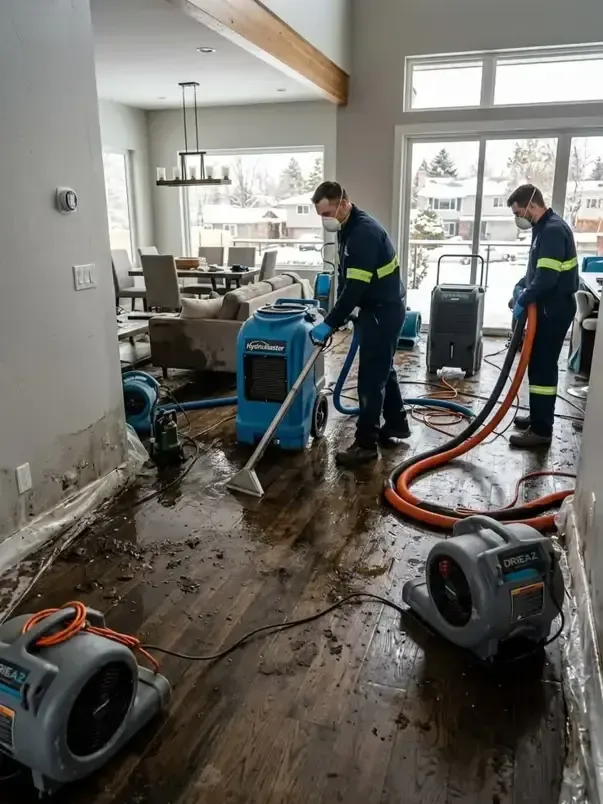
The mitigation crew establishes a moisture baseline, selects equipment for the affected assemblies and checks progress against dry reference materials. Recorded readings guide adjustments and the final equipment removal.
- 1
Establish the stormwater boundary
Water marks and debris identify the starting footprint. Inspect adjacent low points and concealed edges that may have collected water beyond the obvious pool.
- 2
Recover liquid with controlled handling
Extraction should account for sediment and affected surfaces. Organize equipment movement and waste handling to avoid carrying contaminated material through dry occupied rooms.
- 3
Clean retained surfaces
After damaged layers are addressed, accessible hard surfaces need suitable cleaning. The work record distinguishes retained materials from items removed during the contamination assessment.
- 4
Measure remaining moisture
Drying addresses materials left after cleanup. Check wall bases, accessible subfloor areas and other affected assemblies until their condition supports the next repair decision.
Distinguish the storm channel from the indoor loss
Verdugo Wash is a tributary of the Los Angeles River and provides flood protection through the city. Its channel runs from Crescenta Valley Regional Park toward the river near the Ventura Freeway. Within an affected property, the relevant cleanup boundary follows water marks, sediment and wet building layers around the actual entrance.
Rainwater entering under a door can spread beneath flooring or fixed cabinets. The assessment needs to identify what the water contacted, not just where a puddle remains. Dirty surfaces, soft furnishings and wall bases may require different handling before the retained structure is prepared for drying.
- Keep occupants away from water that has carried outdoor debris inside.
- Document the entry opening and deposits before disturbed sediment obscures them.
- Separate damaged belongings from unaffected storage as safe access becomes available.
Remove the water and assess what it leaves behind
Recovery equipment addresses accessible liquid, while cleaning deals with residues on suitable surfaces. Saturated porous materials need evaluation for removal according to their contamination and condition. Water extraction is part of that sequence, but sediment and concealed moisture can leave substantial work after the visible pool disappears.
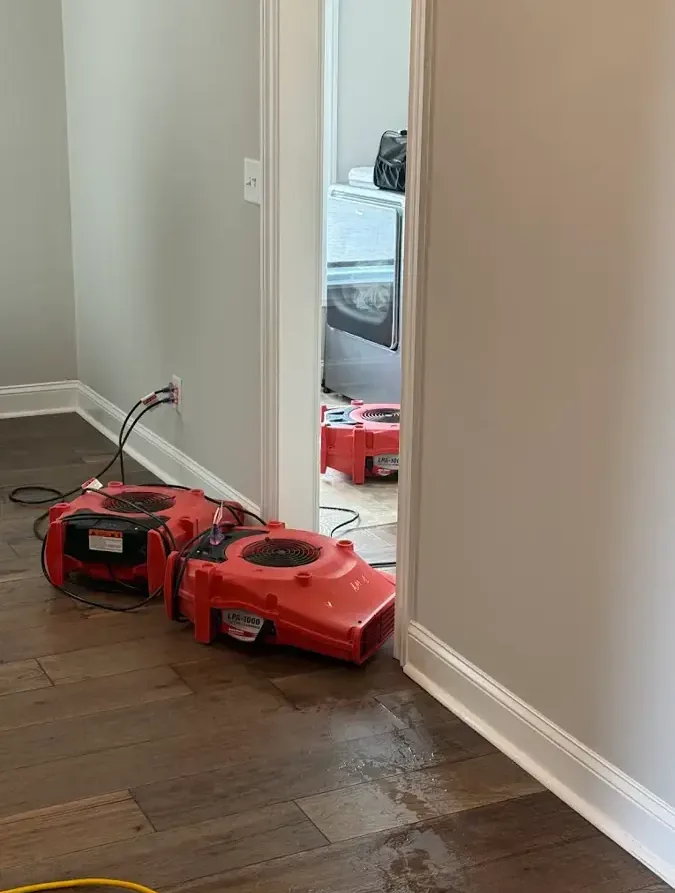
Household fans should not scatter debris from an unassessed area. Equipment placement needs to support a controlled work space and keep access routes separate from affected surfaces.
Insurance records for storm entry
Photographs of the doorway, water marks and damaged contents preserve the starting condition. Keep cleanup records with any work that addressed the entry point. Policy questions about the water source belong with the insurer, while the restoration scope describes observed damage and actions performed indoors.
The final phase uses structural drying for retained materials after cleaning and removal decisions. Readings should include accessible edges where stormwater entered beneath finishes.
Storm flood cleanup across Glendale and nearby towns
Storm cleanup planning needs the indoor entry point, affected floor and current access conditions. Near Verdugo Wash or elsewhere in the city, actual building conditions determine the recovery scope and safe approach.
The same service nearby: storm flood cleanup in La Crescenta, La Canada Flintridge, Burbank.
Related water damage services in Glendale
Storm Flood Cleanup questions in Glendale, CA
01Is stormwater indoors treated like a small tap leak?
Outdoor water can carry dirt and contaminants into the building. Its contact history and affected materials need assessment before ordinary cleaning or drying decisions are made.
02Should wet rugs be carried through unaffected rooms?
Movement should be planned to limit contamination of dry spaces. A controlled handling route protects occupants and helps keep affected belongings separated during cleanup work.
03Does proximity to a wash determine the cleanup scope?
The building's actual water entry and damage establish the work. Interior deposits, wet layers and safe access matter when deciding what must be removed or dried.
04Can fans start as soon as the water recedes?
Unassessed deposits and contamination should be addressed first. Equipment should be placed within a planned cleanup sequence that avoids spreading debris through the occupied building.
05What photographs help explain storm damage?
Capture entry points, water marks, sediment and affected belongings from safe locations. Keep these images with cleanup records and any repairs to the building opening.
06When is the room ready for replacement flooring?
The entry issue, contaminated materials and retained moisture need attention first. Flooring work follows suitable substrate conditions and a clear record of remaining repairs.
Move from storm deposits to dry materials
An orderly recovery plan accounts for liquid, debris and the wet layers underneath. Discuss the affected interior so cleaning and drying can follow the actual water path.
La Crescenta Water Damage Restoration · La Crescenta, CA