Structural Drying in Glendale, CA
Drying a building means changing the moisture inside its materials, not simply warming the room. Glendale structural drying uses mapped readings and controlled equipment to follow that change through the affected assembly.
(888) 578-6508Discuss the materials still holding moisture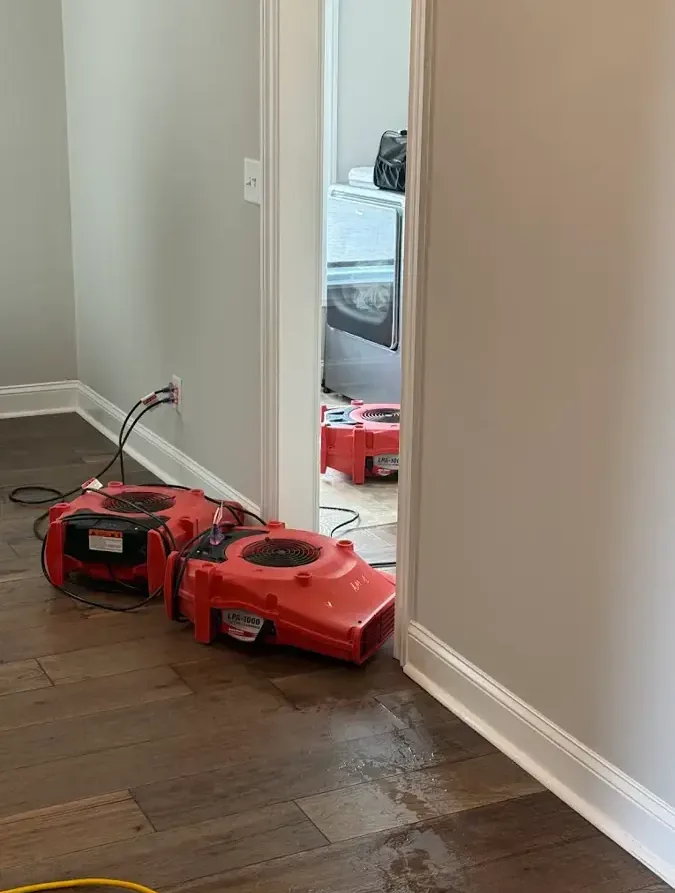
A floor can lose its surface shine while the layers underneath remain damp. Structural drying addresses moisture retained after accessible water has been recovered and cleaning decisions are complete. Its scope should name the affected materials, the access available and the measurements used to judge progress rather than relying on how the room feels.
First steps for structural drying in Glendale
Identify retained wet materials
After source control and cleanup, locate wet walls, flooring and framing. Their construction and condition establish the drying task and access needed to measure progress.
Establish starting readings
The technician records materials and moisture locations before equipment changes their condition. Readings from suitable unaffected areas establish a separate drying target for each type of wet material.
Arrange equipment for the real wet footprint
Air movement, dehumidification and access openings should work together. Protect electrical routes and maintain the layout so occupants do not obstruct the equipment or cover surfaces still being dried.
Reassess the assembly before repairs begin
Check retained materials again and address places where progress differs. The final condition should support the next repair step rather than depend on an assumed number of operating days.
How structural drying is handled in Glendale
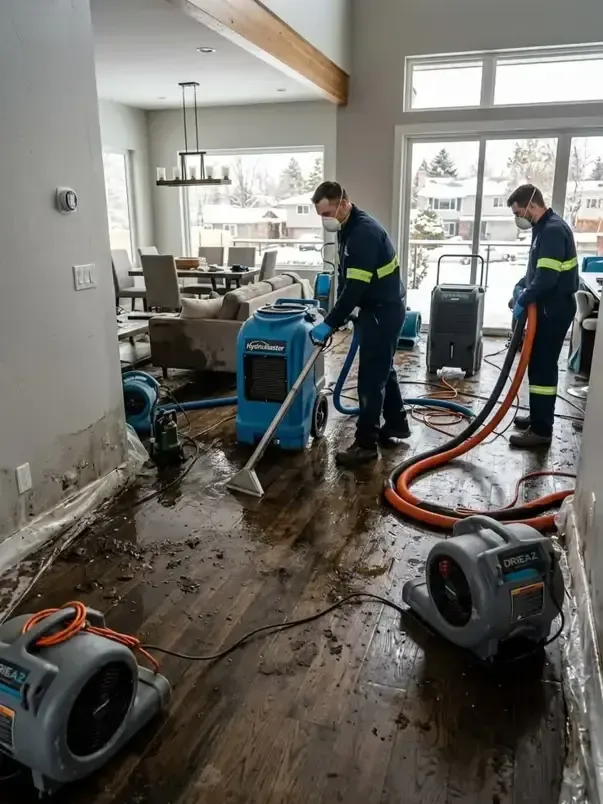
The mitigation crew establishes a moisture baseline, selects equipment for the affected assemblies and checks progress against dry reference materials. Recorded readings guide adjustments and the final equipment removal.
- 1
Define the material change needed
Identify the assembly and condition needed for repair. This connects equipment choices to material recovery instead of treating the room as a generic wet space.
- 2
Provide access to wet layers
Selective openings can improve drying and measurement. Explain why access is needed and distinguish those openings from removal caused by damage or contamination during cleanup.
- 3
Adjust conditions as readings develop
Monitoring reveals uneven progress between materials. Placement and access may need adjustment when concealed moisture or blocked airflow prevents part of the assembly from responding.
- 4
Record the equipment removal decision
Final notes identify checked materials and remaining repairs. A clear handover allows replacement finishes to be planned around measured conditions rather than the exposed room appearance.
Design the setup around the assembly
South Glendale includes apartments and condominiums, and Downtown Glendale has seen newer apartment construction. Shared occupancy can influence access and equipment layout. A wet wall in Adams Hill likewise needs its own inspection: the finish, cavity and surrounding floor determine how air and moisture removal can reach the materials that remain in place.
Some assemblies need openings before equipment can work effectively. Others can be evaluated through accessible edges. The decision should explain which layer is wet and why the chosen access helps dry it. Additional findings may change the arrangement as the work progresses.
- Record readings at identifiable points in each affected material or assembly.
- Keep air paths and equipment access clear of stored household belongings.
- Separate moisture removal goals from later painting and replacement finish work.
Track change rather than counting equipment days
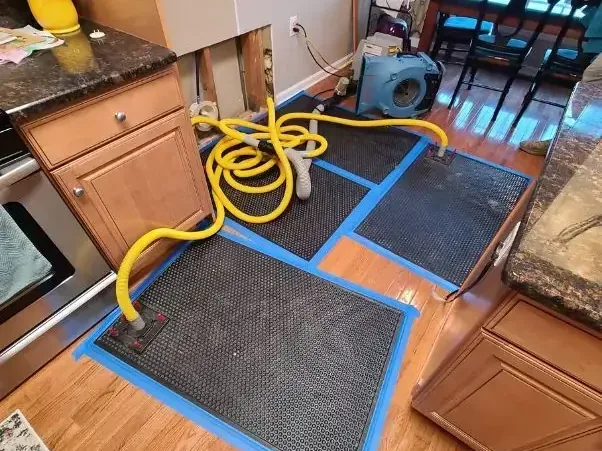
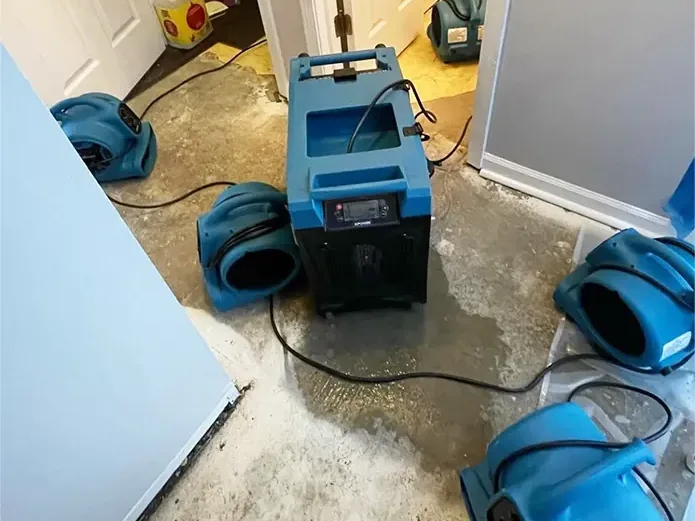
Air movers and dehumidifiers perform different tasks within a drying plan. Their placement should suit the wet footprint and safe electrical access. A reading that stops improving deserves investigation of the material, hidden moisture or restricted access; simply extending equipment time may leave the underlying obstacle unresolved.
For water beneath boards, hardwood floor assessment considers the flooring and substrate together. Where pooled liquid remains, extraction should address it before the drying load is evaluated.
Insurance records for monitored drying
The file should connect initial conditions with equipment placement and subsequent readings. Photos of measurement locations make changes easier to interpret. List any materials removed for access and distinguish drying tasks from reconstruction so the final scope explains what remained, what changed and what still needs repair.
Equipment should leave on a documented material decision. Final checks need to cover the actual wet assembly and note any inaccessible area that requires further attention before closure.
Structural drying across Glendale and nearby towns
Drying plans can address an occupied room, an opened wall or connected floor layers. Around Downtown Glendale and elsewhere, access to the actual wet assembly determines equipment placement and the monitoring approach.
The same service nearby: structural drying in La Crescenta, La Canada Flintridge, Burbank.
Related water damage services in Glendale
Structural Drying questions in Glendale, CA
01Why does a dry feeling room still need equipment?
Room air and building materials can hold different amounts of moisture. Readings from the affected assembly help determine whether water remains inside layers needing further drying.
02Can windows stay open while dehumidifiers are operating?
The drying setup depends on controlled conditions. Opening the space can change that environment, so access and ventilation should follow the plan established for the affected materials.
03Is more equipment always the answer to slow progress?
Slow change can reflect trapped moisture or limited access. The assembly and readings need reassessment before adding equipment without addressing the reason part of the material remains wet.
04Can a wall be closed before its framing is checked?
Closure should follow assessment of the retained assembly. Covering an unchecked cavity can remove access to material that still needs drying or a different restoration decision.
05What makes moisture records useful after the work ends?
Identified materials and repeatable locations connect the starting condition with later changes. Those details explain the drying decision more clearly than equipment dates alone.
06Does structural drying include rebuilding damaged finishes?
The scope should distinguish drying retained materials from reconstruction. Removed wallboard, flooring or trim may need separate replacement after the underlying assembly reaches suitable condition.
Measure the assembly before closing it
Drying equipment should lead toward a documented repair decision. Discuss the retained layers, access limitations and moisture checks needed to establish that the next stage can proceed.
La Crescenta Water Damage Restoration · La Crescenta, CA