Structural Drying in Burbank
A room can look ready for repairs while its wall base still holds moisture. Structural drying uses material readings, controlled air movement and humidity management to follow what remains wet beneath the visible finish.
(888) 578-6508Discuss moisture remaining in the structure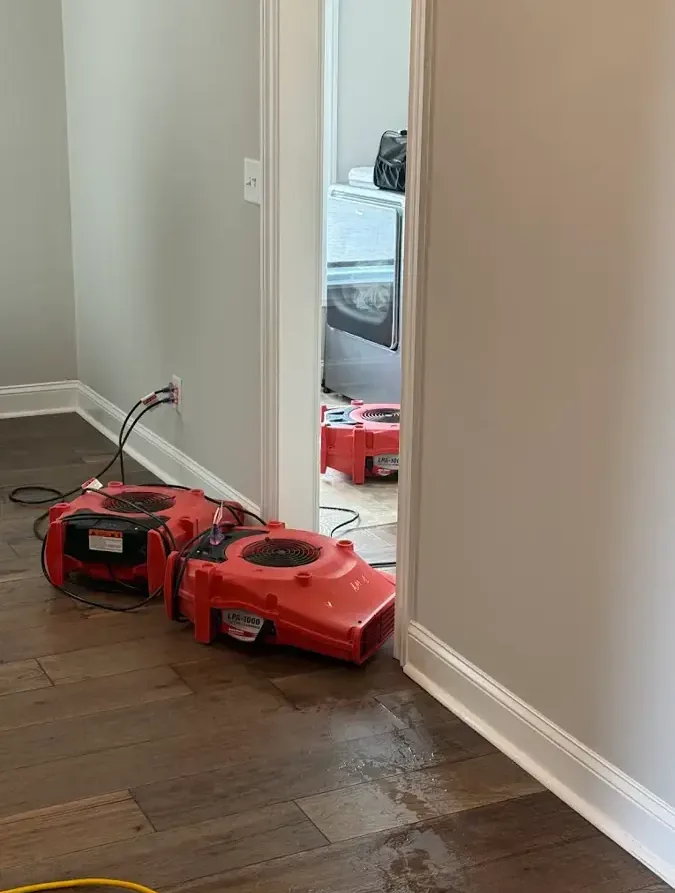
The drying stage begins with a question that appearance cannot answer: which retained materials are still wet? A floor may lose its sheen while moisture stays below the covering. A wall can feel normal at the surface while the lower cavity needs access and a different equipment arrangement.
First steps for structural drying in Burbank
Explain what has already been removed
Explain which water and materials are gone. Source repair and extraction records help establish what remains to be dried inside the retained building assembly.
Identify enclosed areas still damp
Mention cabinet ends, wall bases and floor transitions that changed after the loss. These observations help select measurement points beyond the surfaces that now appear visibly dry.
Plan equipment around occupied space
Discuss entrances, sleeping areas and essential access before equipment arrives. The arrangement needs to support drying while giving occupants a clear understanding of how the room can be used.
Keep conditions consistent between visits
Follow the agreed operating setup and report interruptions. Switching equipment off, moving hoses or opening the drying area can change performance and make progress readings harder to interpret.
How structural drying is handled in Burbank
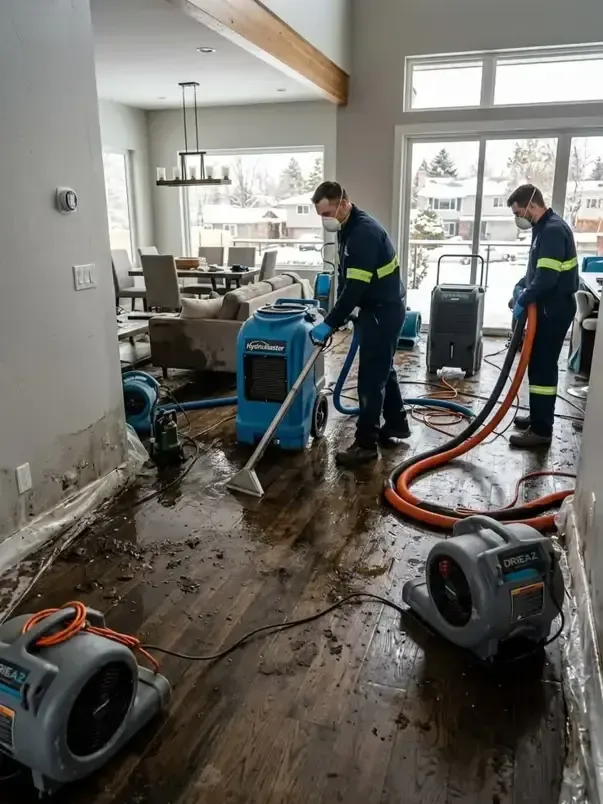
The mitigation crew establishes a moisture baseline, selects equipment for the affected assemblies and checks progress against dry reference materials. Recorded readings guide adjustments and the final equipment removal.
- 1
Establish the baseline measurements
Initial readings identify wet materials and comparison locations. The moisture map extends the drying assessment beyond the visible outline left by the release.
- 2
Configure air movement and dehumidification
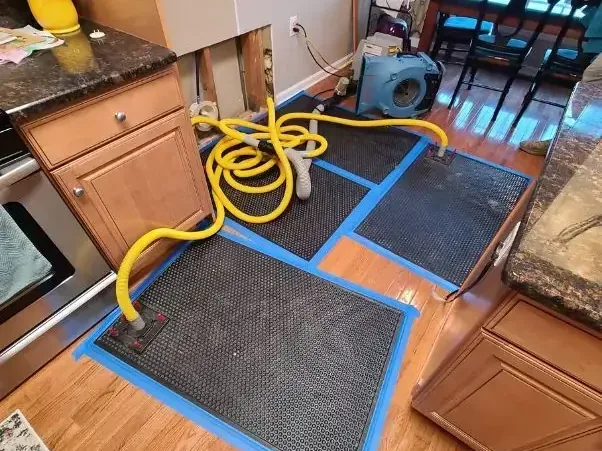
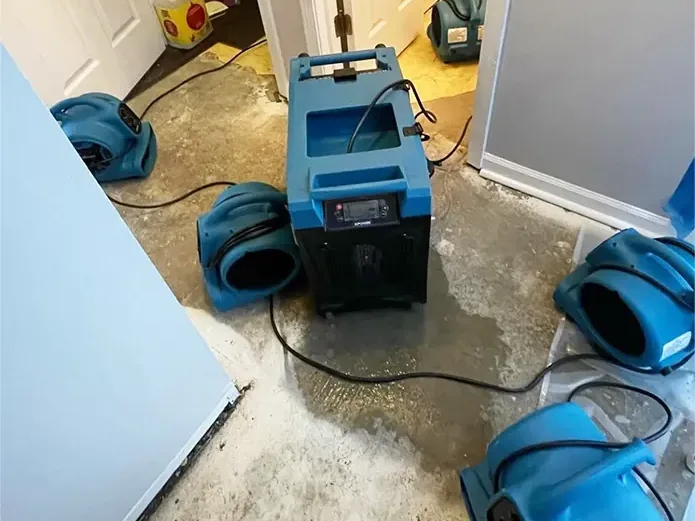
Equipment selection follows the material load and room access. The setup needs to reach exposed wet surfaces while managing the moisture released as those retained materials begin drying.
- 3
Compare readings and adjust access
Repeated checks show which areas are responding and which remain wet. Equipment changes or additional openings should address the specific obstruction identified by the measurements and inspection.
- 4
Document the material endpoint
Final readings are recorded against the selected goals before equipment removal. The owner receives a clearer basis for arranging repairs that will cover the surfaces previously exposed for drying.
Let the assembly determine the approach
More than 62% of Burbank housing stock was built before 1970. In Magnolia Park, most homes date to the 1940s. Inspection identifies the layers actually present in the affected building, including later finishes that can obstruct drying. The plan then follows those materials and their response to treatment.
An occupied home along Riverside Drive and a commercial suite in the Airport District present different access needs. Equipment positions must leave suitable routes and account for room use. The layout also needs enough reach into wet corners, connected cavities and areas behind fixed fittings.
- Keep equipment settings and room conditions consistent with the agreed drying plan.
- Report a new drip or returning puddle before assuming drying has stalled.
- Discuss any need to move equipment before changing its position or power.
Track response instead of counting days
Air movement promotes evaporation at accessible surfaces, while dehumidification manages moisture released into the room. Readings taken at comparable locations show whether the retained assembly is responding. Slow progress can point to blocked access, an overlooked layer or a continuing source that needs attention.
For wet boards, hardwood floor drying assessment adds attention to the substrate and finish condition. The whole assembly must be considered before replacement work begins.
Insurance records for the drying period
Keep the initial moisture map, equipment placement records and progress readings with the cleanup estimate. Document why the setup changes and which materials remain under monitoring. Final conditions help explain the drying duration and provide a useful handoff before another trade closes the wall or installs new flooring.
The drying time planning tool offers an early discussion aid; measured material response directs the actual equipment schedule.
Structural drying across Burbank and nearby towns
Drying assessments serve Magnolia Park, the Airport District and other local building settings. Share the source status, extraction work already completed and the rooms with remaining damp materials before planning the equipment setup.
The same service nearby: structural drying in La Crescenta, Glendale, La Canada Flintridge.
Related water damage services in Burbank
Structural Drying questions in Burbank, CA
01Can a dry surface still conceal wet material?
Yes. Moisture can remain beneath a floor covering or within a wall cavity. Measurements and suitable access help distinguish surface appearance from the condition of the assembly.
02Why does drying equipment need regular checks?
The moisture load changes as materials release water. Monitoring shows whether the arrangement remains effective and whether an inaccessible area needs a different approach.
03Will hot outdoor weather dry the building automatically?
Room humidity, access and material layers affect drying. Even in warm weather, enclosed walls and flooring layers need direct moisture checks before equipment is removed.
04Can equipment be switched off for convenience?
Discuss interruptions with the restoration contact. Changes to operation can affect drying conditions and should be reflected in monitoring records and the plan for occupied rooms.
05What can slow an otherwise suitable drying setup?
Continuing leakage, trapped layers and restricted airflow can limit progress. Comparable readings help identify the area that needs investigation instead of relying on elapsed time.
06What records should remain after equipment removal?
Keep the moisture map, progress measurements and final material conditions. They support later repair planning and explain how the retained structure responded during the drying stage.
Let the measurements shape the repair schedule
Finishes should return after the affected assembly receives appropriate moisture evaluation. Arrange a drying plan that tracks progress in walls, flooring and framing before repairs conceal them.
La Crescenta Water Damage Restoration · La Crescenta, CA