Water Damage Restoration La Crescenta, CA
La Crescenta water damage pros trace spreading moisture from the first wet room into the walls and floors around it. The restoration team handles extraction, contamination control and measured structural drying, with 24/7 dispatch for active leaks.
(888) 578-6508Bring the spreading water under controlA stopped leak still needs a plan for the water already inside.
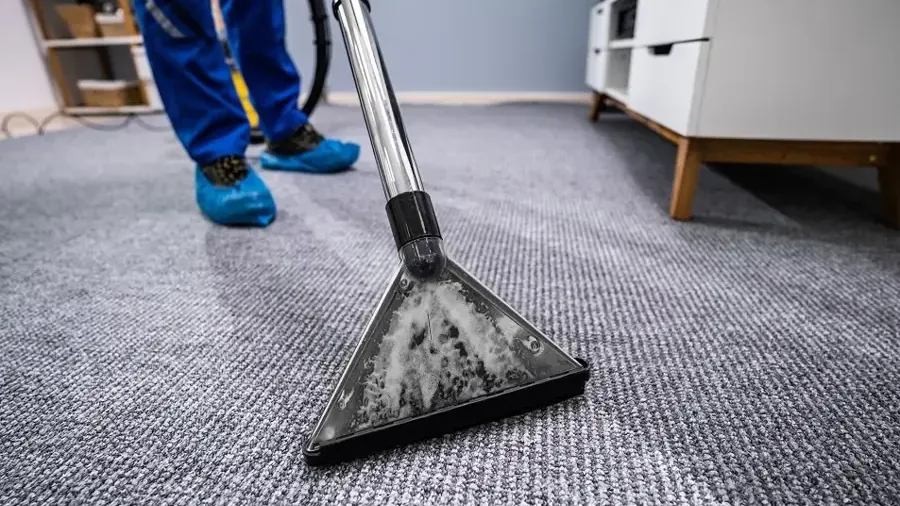
What to do while the water is still moving
- 1
Keep the wet room clear
Households keep children and pets away from standing water, falling ceiling material and contaminated belongings. A safe route matters more than saving furniture.
- 2
Stop an accessible supply
An occupant closes the fixture valve or main only from a dry, safe position. Flooded electrical equipment stays untouched until a qualified professional assesses it.
- 3
Record the first signs
Photos from a safe doorway preserve the source, affected rooms and water height before cleanup changes the scene. Owners note when the problem first appeared.
- 4
Protect dry belongings
Residents move dry items away from the boundary without walking through sewage or lifting heavy saturated furniture. Wet electrical devices remain disconnected by qualified personnel.
- 5
Arrange moisture assessment
The restoration team checks adjoining cavities and floors after extraction. A 24/7 request should describe the source, affected level and any remaining safety hazard.
Water Damage Restoration Services in La Crescenta, CA
A roof opening, appliance discharge and sewer backup leave different cleanup needs. The service pages explain source control, material decisions and drying methods for each type of water loss.
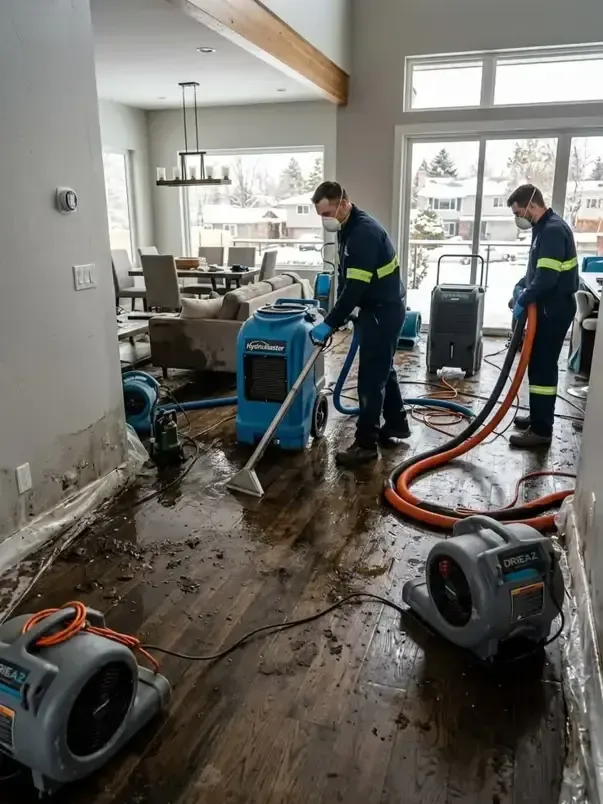
Water Extraction
Standing water removal, edge extraction and moisture mapping before the structure starts drying.
Water Extraction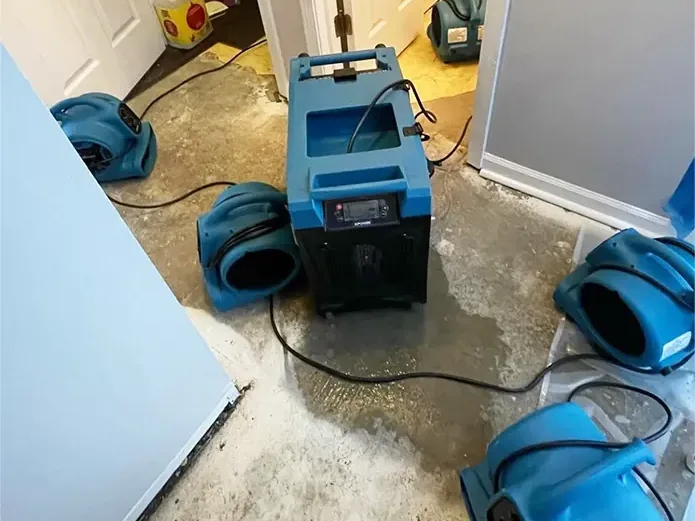
Slab Leak Water Damage
Moisture beneath floor coverings traced and concrete drying coordinated after the plumbing source is controlled.
Slab Leak Water Damage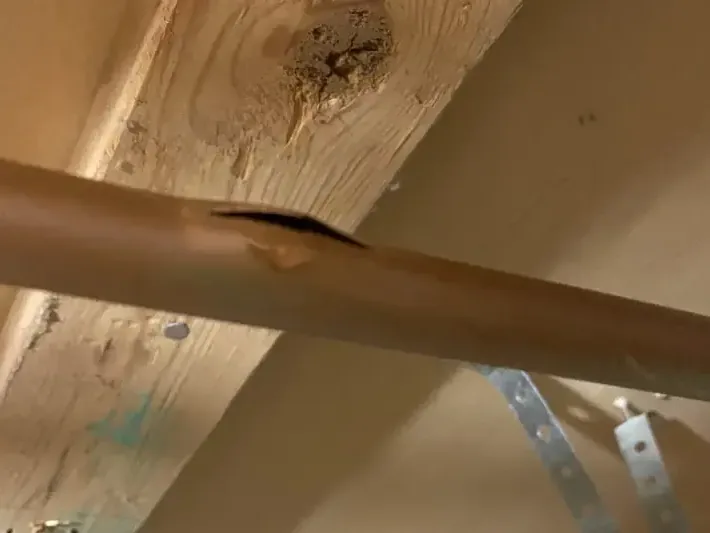
Burst Pipe Water Damage
Sudden supply releases stopped, trapped water located and wet wall assemblies opened only where necessary.
Burst Pipe Water Damage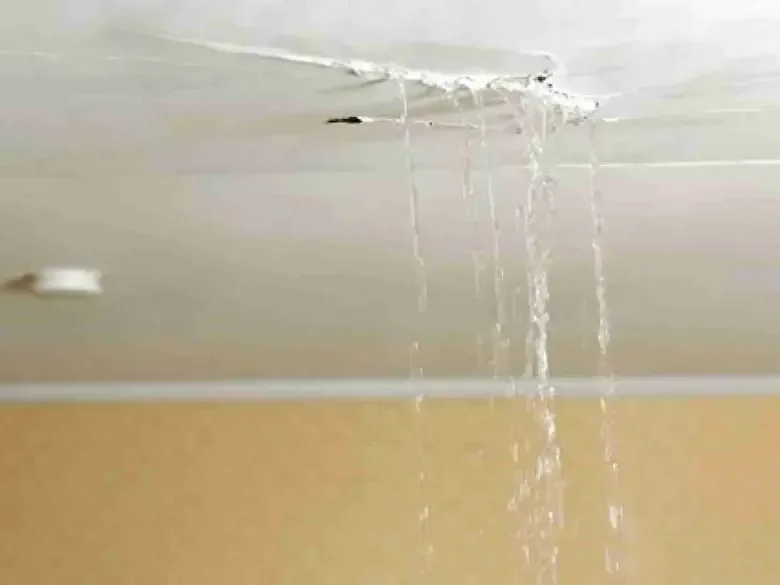
Ceiling Leak Water Damage
Wet ceiling cavities assessed for falling material and electrical exposure before controlled access and drying.
Ceiling Leak Water Damage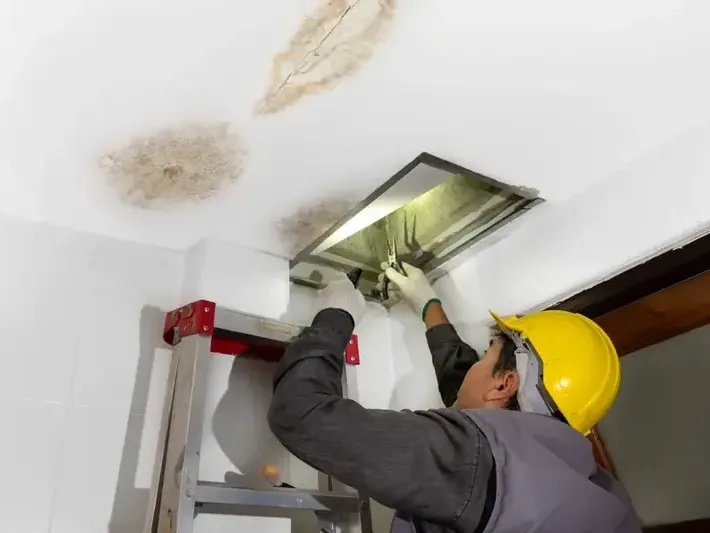
Roof Leak Water Damage
Rain entry into the attic traced, soaked insulation evaluated and roof-related interior damage dried.
Roof Leak Water Damage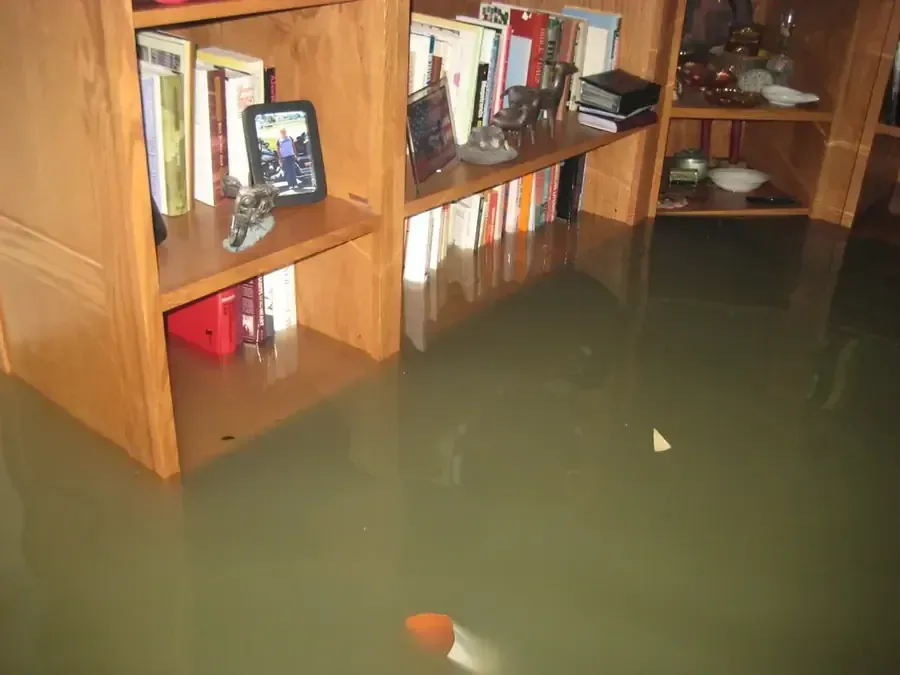
Storm Flood Cleanup
Outdoor runoff and sediment removed with contamination controls before the building dries.
Storm Flood Cleanup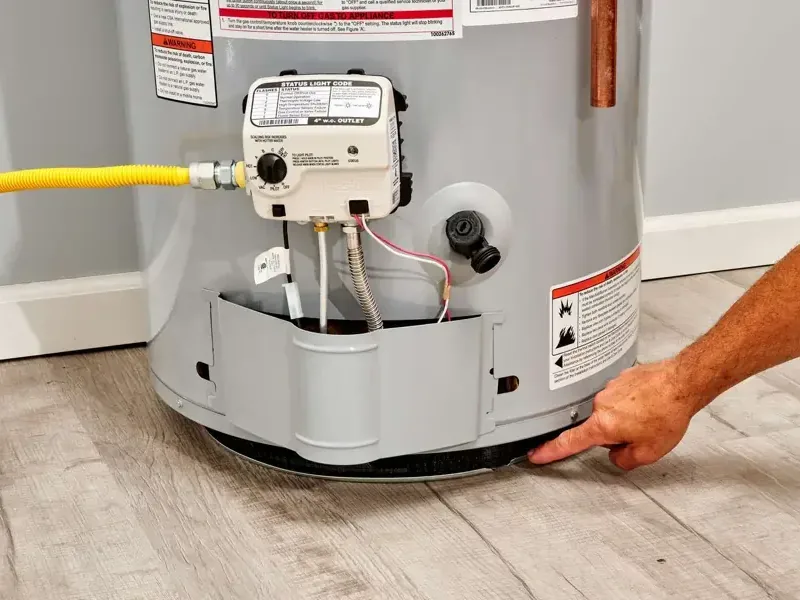
Water Heater Leak Cleanup
Tank water extracted from closets and adjoining rooms while utility hazards and floor layers receive attention.
Water Heater Leak Cleanup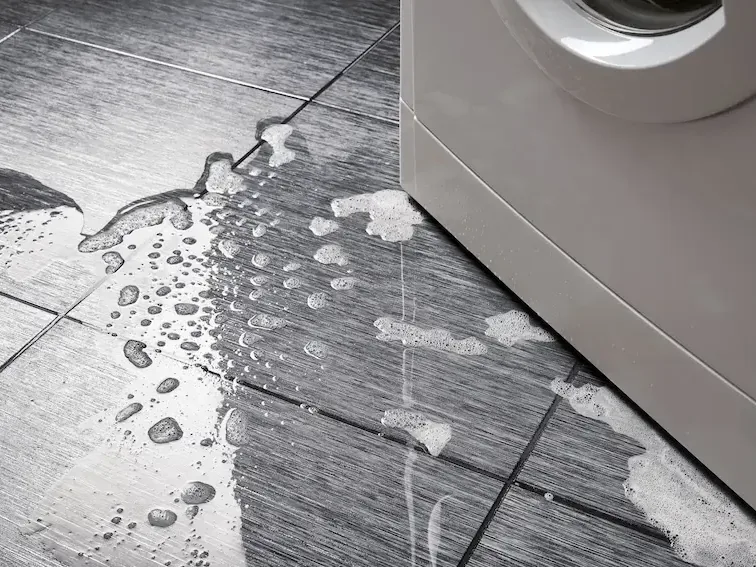
Appliance Leak Water Damage
Dishwasher, washer and refrigerator leaks followed beneath cabinets, trim and floating floor assemblies.
Appliance Leak Water Damage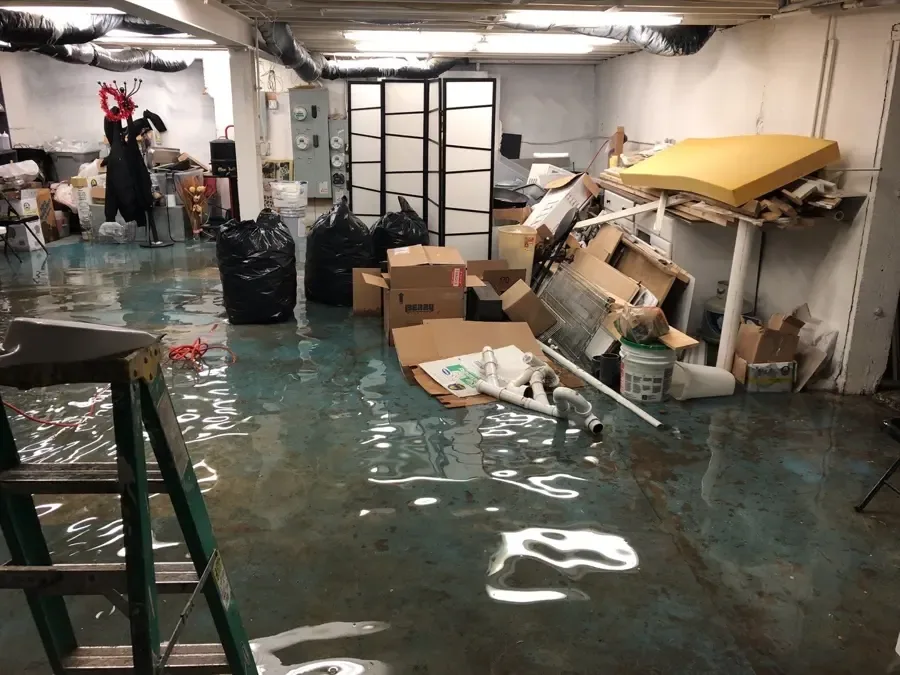
Sewage Backup Cleanup
Category 3 losses isolated, contaminated porous materials removed and remaining surfaces cleaned.
Sewage Backup Cleanup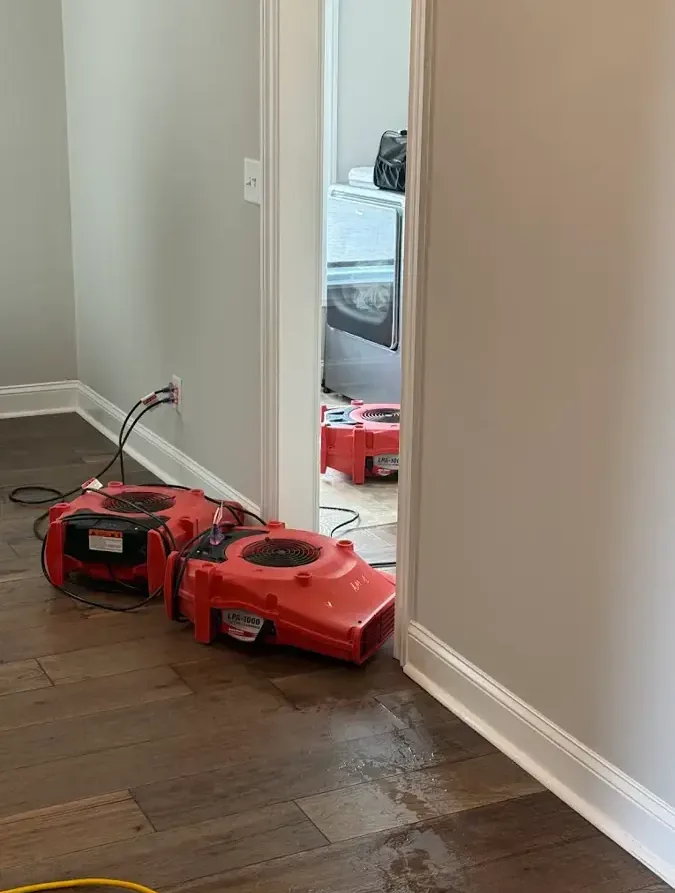
Structural Drying
Air movement and dehumidification adjusted to moisture readings inside framing and floor assemblies.
Structural Drying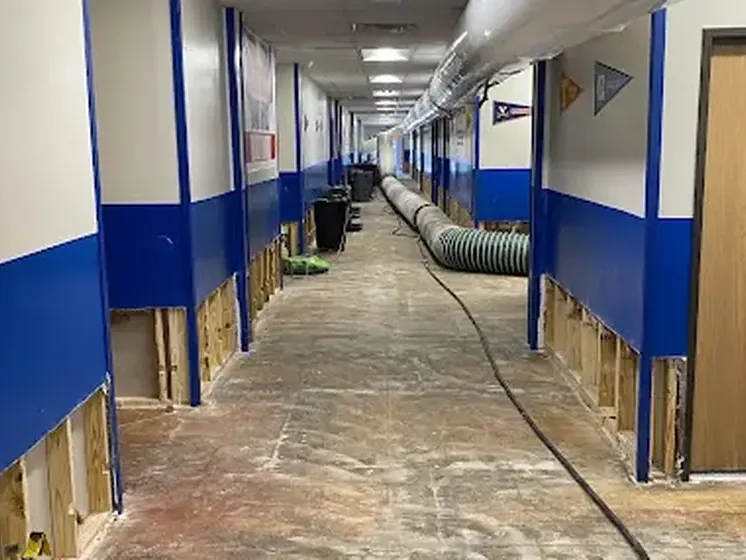
Commercial Water Damage
Business water losses mapped by room with controlled access, contents protection and documented drying.
Commercial Water Damage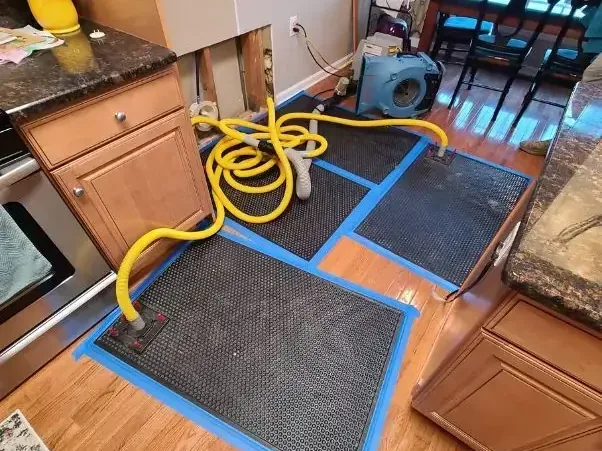
Hardwood Floor Water Damage
Cupped boards, trapped underlayment moisture and wet subfloors assessed before a salvage decision.
Hardwood Floor Water DamageWater damage dried to the IICRC S500 standard
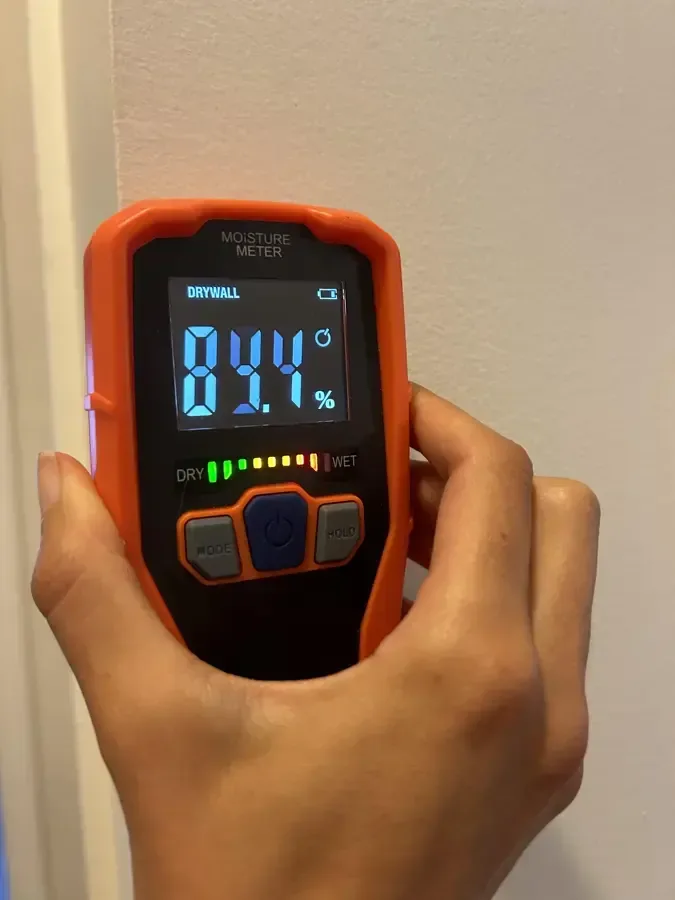
The drying team uses the IICRC S500 framework to classify the loss, identify wet materials and set a reference goal. A dry-looking surface can hide wet material, so moisture readings determine when drying is complete.
- 1
Map the spread
The assessor checks trim, wall bottoms and rooms beside the visible loss. A marked moisture map separates wet materials from unaffected reference areas.
- 2
Extract before evaporation
The extraction crew removes accessible liquid first, then checks carpet edges, seams and lower cavities where a surface pass can leave trapped water.
- 3
Balance air and drying
Air movers expose moisture to the room while dehumidifiers remove it from the air. The technician adjusts placement when readings flatten or access changes.
- 4
Verify the endpoint
The crew compares final material readings with the dry baseline and records remaining repair needs. Equipment removal follows those results rather than a calendar promise.
How a water loss gets a clear drying plan
A sound plan tells the household what is wet, what can remain and what needs access. The mitigation crew keeps those decisions tied to the source and measurements, so drying does not stop at the most obvious stain.
Rapid local response
The response team treats spreading water as urgent and gathers source and access details through 24/7 dispatch. Arrival timing depends on conditions and availability.
IICRC S500 drying standard
The technician considers category, material load and evaporation paths before selecting extraction tools, air movers and dehumidification.
Claim-ready documentation
The crew records moisture locations, equipment changes and photographs before removal, preserving a clear account of the mitigation scope.
Local water experts
The property assessment checks older wall and floor assemblies, traces rain entry and identifies the wet materials that need access for drying.
All water damage categories covered in La Crescenta, CA
Category 1: clean supply
A recent supply release begins differently from runoff. The assessor still checks time, temperature and what the water contacted before choosing materials to retain.
Follow clean-water removalCategory 2: contaminated water
Appliance discharge may carry contaminants into carpet and cabinets. The crew separates removal, cleaning and drying decisions instead of treating every wet surface alike.
Inspect appliance dischargeCategory 3: gross contamination
Sewage and outdoor floodwater need controlled access. The team removes affected porous material and cleans remaining surfaces before directing drying air through the space.
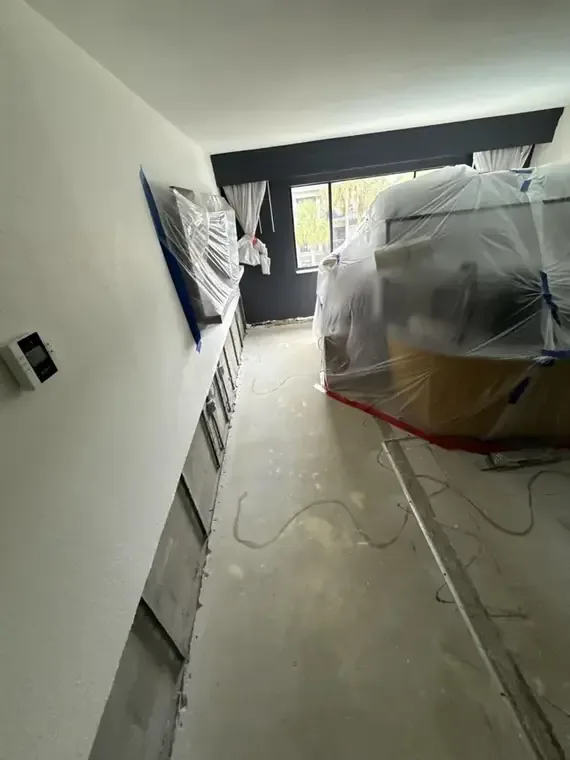
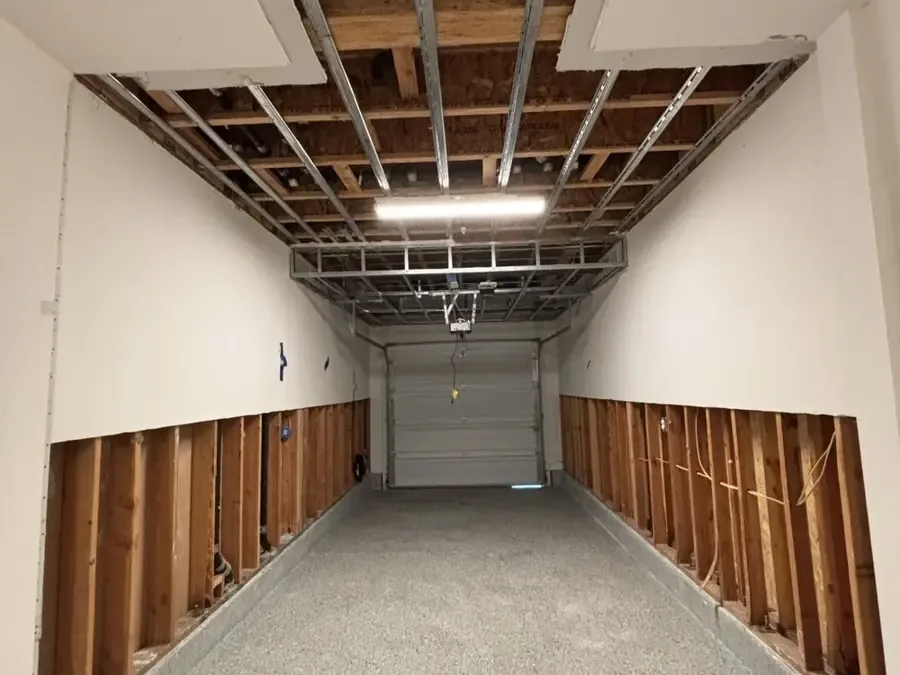
Understand sewage controlsWhat a water damage dry-out looks like in La Crescenta
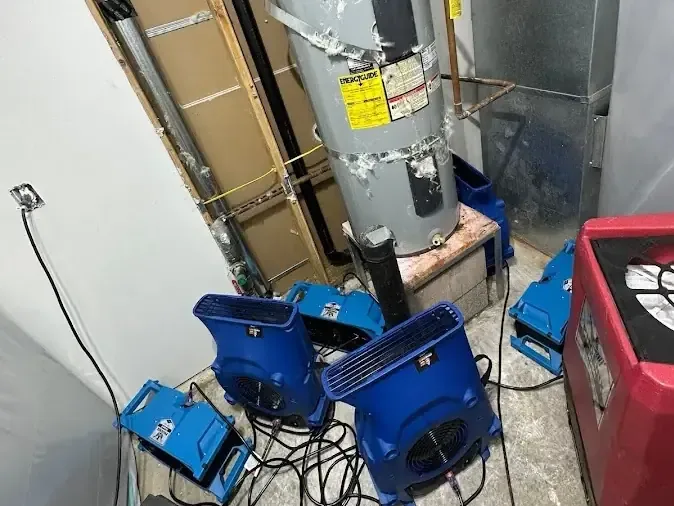
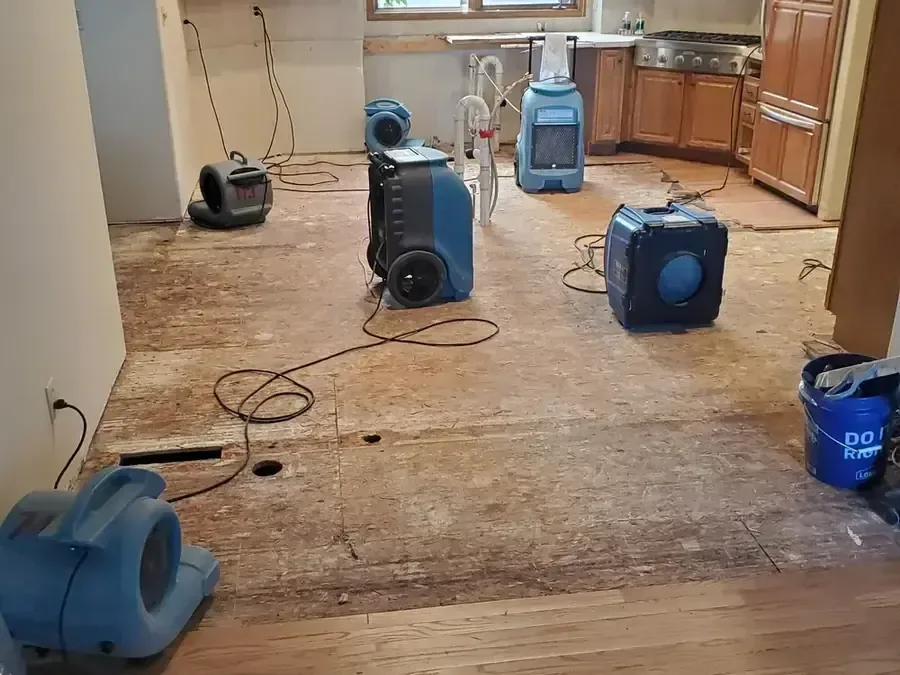
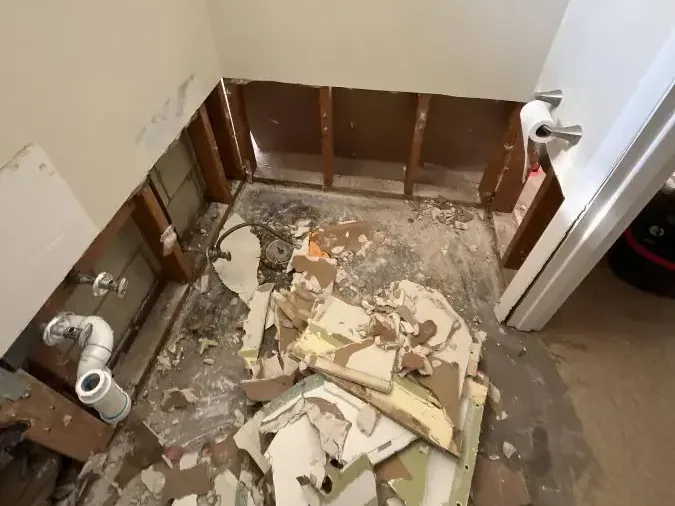
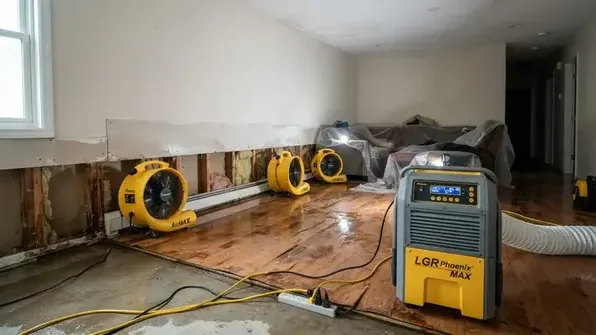
Documentation for your insurance claim
The restoration crew documents the affected structure while the policyholder confirms coverage, deductibles and reporting requirements directly with the insurer.
- A room-by-room moisture map showing the initial wet boundary and dry references
- Timestamped photographs before selective demolition or removal of saturated belongings
- Daily material readings and psychrometric logs showing changes during equipment operation
- The assessed water category and material class, with the reason for each removal decision
- An itemized mitigation scope separating extraction, cleaning, drying equipment and repair recommendations
Check the cause against the policy
Sudden plumbing damage and outdoor flooding can follow different coverage rules. The source matters, and endorsements, exclusions and maintenance conditions can change the result. The insurer makes that decision.
Owners keep purchase records and affected-item photographs with the drying report. The restoration contractor documents the work performed, and the insurer evaluates the claim under the policy terms.
Why the Crescenta Valley needs careful moisture tracing
La Crescenta is an unincorporated community, with older housing and mountain-edge exposure. County Planning describes residential areas north of I-210 and the historic Montrose area to its south.

Crescenta Valley, 1934: Intense winter storms preceded the historic flood disaster. Flood-control catch basins and concrete drains followed. Individual properties need their own entry-route assessment and parcel flood information when planning protection or repairs.
- Older housing County Planning reports that most local housing predates 1979. The assessor checks the actual pipe, floor and wall assembly before choosing access.
- Commercial corridor Foothill Boulevard connects residential areas and businesses. Water spreading behind adjoining walls requires a room-by-room scope, particularly when more than one occupant is involved.
- Mountain boundary The San Gabriel Mountains and Angeles National Forest border the north. Rain entry and internal plumbing remain separate source investigations.
- Jurisdiction changes Honolulu Boulevard lies within Glendale south of unincorporated Montrose. Owners confirm the responsible building department before structural or plumbing repairs.
- Property-specific decisions Near Rosemont Preserve and Pickens Canyon Park, the assessor identifies the wet foundation and floor assembly directly. Insurance questions follow the source findings and the policy.
Water damage questions before the first visit
01What should happen after the source stops?
The mitigation crew traces the water already inside the building. The first dry-looking room may still have wet trim, insulation or underlayment. Extraction and moisture mapping identify which materials need drying and which need access before repair.
02How quickly can water damage help start?
The dispatch team accepts 24/7 requests for active water damage. Source, access and safety information help define the response. The actual arrival depends on availability and conditions; a flooded electrical area or sagging ceiling needs professional safety assessment first.
03Does a dry floor mean the wall is dry?
Not necessarily. A technician checks materials at different depths and compares them with unaffected references. Tile, vinyl or paint can hide moisture beneath an apparently dry surface, and an infrared image alone does not confirm the moisture level.
04How does older housing affect the work?
County Planning identifies a large pre-1979 housing share in La Crescenta-Montrose. That makes inspection useful when the crew identifies the plumbing access and floor construction at the property. The assessor records the actual layers and any repair constraints before opening an assembly.
05How long does structural drying usually take?
A contained loss often takes several days. Dense wood, concrete, enclosed cavities and delayed extraction can extend that period. The drying crew follows daily moisture readings and adjusts equipment rather than promising that every room will finish on the same date.
06When does drywall need removal?
The crew considers contamination, swelling, structural condition and whether airflow can reach the cavity. Sewage-contacted porous drywall requires removal. A limited clean-water loss may allow selective access and drying when the material remains sound and readings show progress.
07Will a homeowners policy cover the cleanup?
The policyholder confirms that with the insurer. Sudden supply leaks, gradual damage and outdoor flooding can receive different treatment. The contractor preserves photographs, moisture logs and an itemized scope so the insurer can assess the actual cause and work.
08Why does stormwater need extra precautions?
Runoff can carry soil and other contaminants into a building. The cleanup team limits access, evaluates porous materials and cleans remaining surfaces before drying. The household should avoid walking through the water or carrying contaminated items into unaffected rooms.
09What should a property owner photograph?
From a safe position, the owner records the apparent source, affected rooms, visible water height and damaged contents. The mitigation crew adds pre-removal photographs and measured moisture locations. Owners keep those files with equipment logs and repair documents.
Give the wet structure a measured route to dry
The restoration team removes standing water, checks hidden spread and records the drying progress. Active leaks, rain intrusion and sewage each receive a scope that fits the source.
La Crescenta Water Damage Restoration · La Crescenta, CA