Water Damage Restoration in La Canada Flintridge
Water inside a home creates immediate decisions about safety, belongings and repairs. La Canada Flintridge restoration begins by identifying the source and wet materials, then organizing removal and drying around the rooms and construction actually affected.
(888) 578-6508Discuss the affected rooms and materialsThe inspection connects visible damage with moisture concealed in adjoining building layers.
Organize safety and preserve the damage picture
- 1
Keep hazardous rooms clear
Occupants should stay away from wet electrical fittings, sagging ceilings and contaminated water. A dry access route helps preserve safe movement while the affected space is assessed.
- 2
Arrange source control
The responsible plumbing, roofing or equipment professional should address ongoing entry. Restoration planning needs the source status so removal and drying are not undermined by more water.
- 3
Record the first conditions
Photographs from a safe position should include the source area, affected rooms and damaged belongings. Wide views and close details preserve the original pattern before cleanup changes it.
- 4
Separate belongings by condition
Dry items can be moved safely out of the work area. Wet contents need their own assessment and should remain apart from clean storage and unaffected floor surfaces.
- 5
Describe concealed warning signs
Swollen trim, lifting flooring and new ceiling marks can reveal water beyond a puddle. Those observations help focus the inspection on connected materials that may still hold moisture.
Different sources need different cleanup decisions
A ceiling drip, a leaking appliance and muddy runoff leave different work behind. The service descriptions below connect the source with the inspection and restoration tasks it can require.
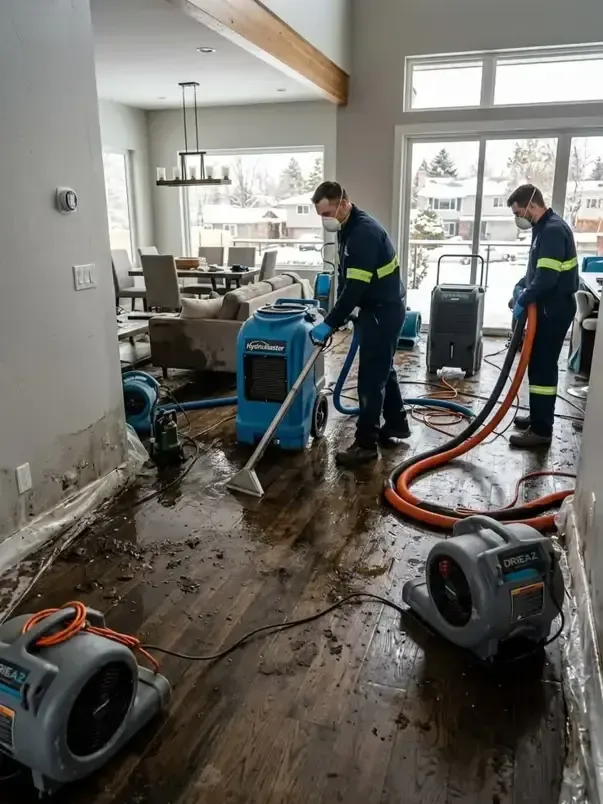
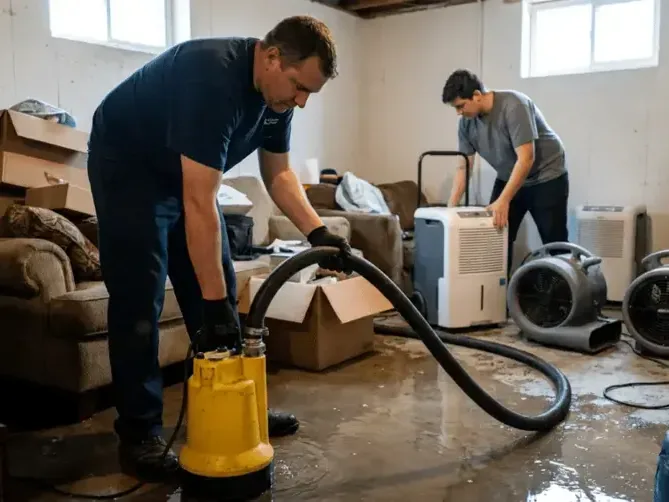
Water Extraction
Standing water removal exposes flooring so concealed saturation and subsequent drying tasks can be assessed.
Water Extraction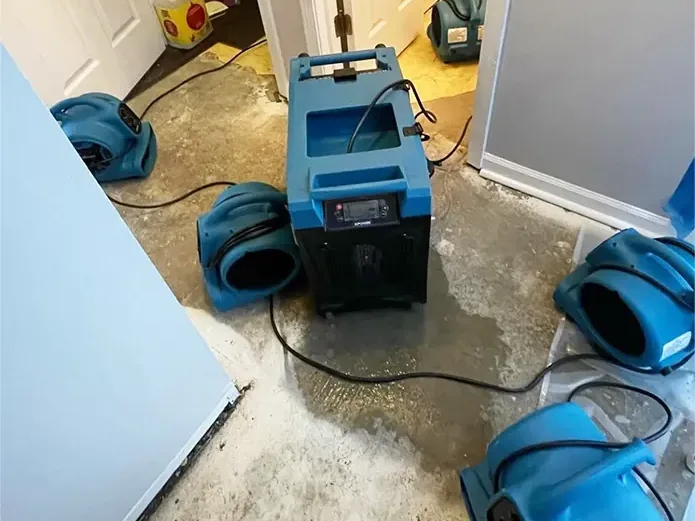
Slab Leak Water Damage
Below floor leaks need coordinated pipe access and inspection of damp finishes beyond the repair opening.
Slab Leak Water Damage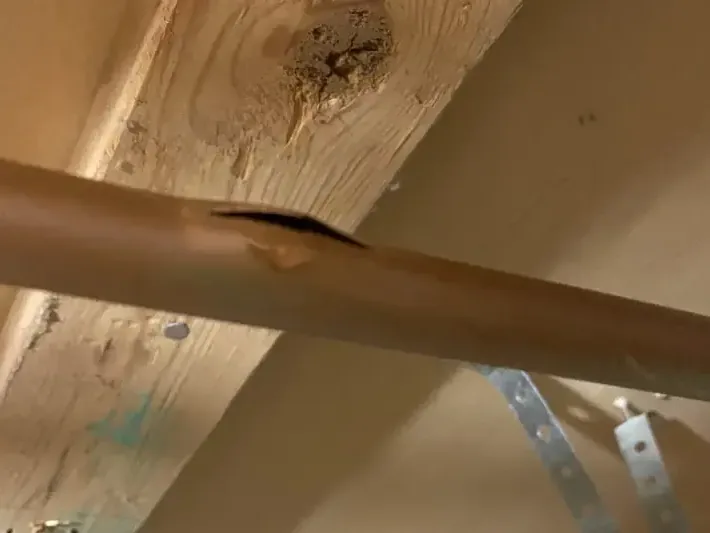
Burst Pipe Water Damage
Sudden supply releases can cross room boundaries inside walls and leave concealed construction wet after shutoff.
Burst Pipe Water Damage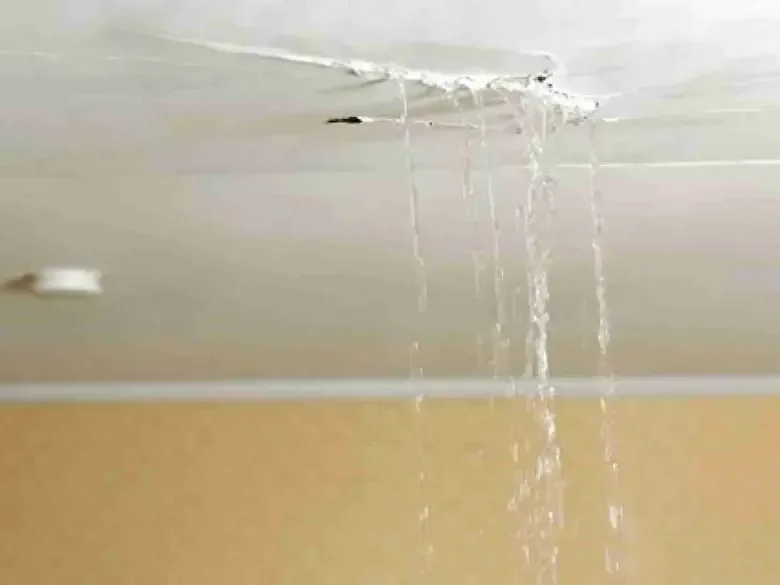
Ceiling Leak Water Damage
Overhead stains call for stability checks, cavity access and inspection of the room beneath active dripping.
Ceiling Leak Water Damage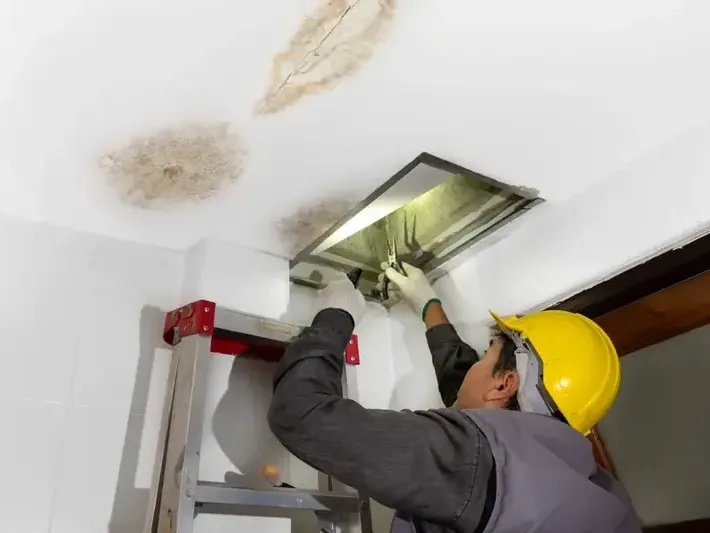
Roof Leak Water Damage
Rain entry requires roof correction and attention to moisture retained in attic materials and interior finishes.
Roof Leak Water Damage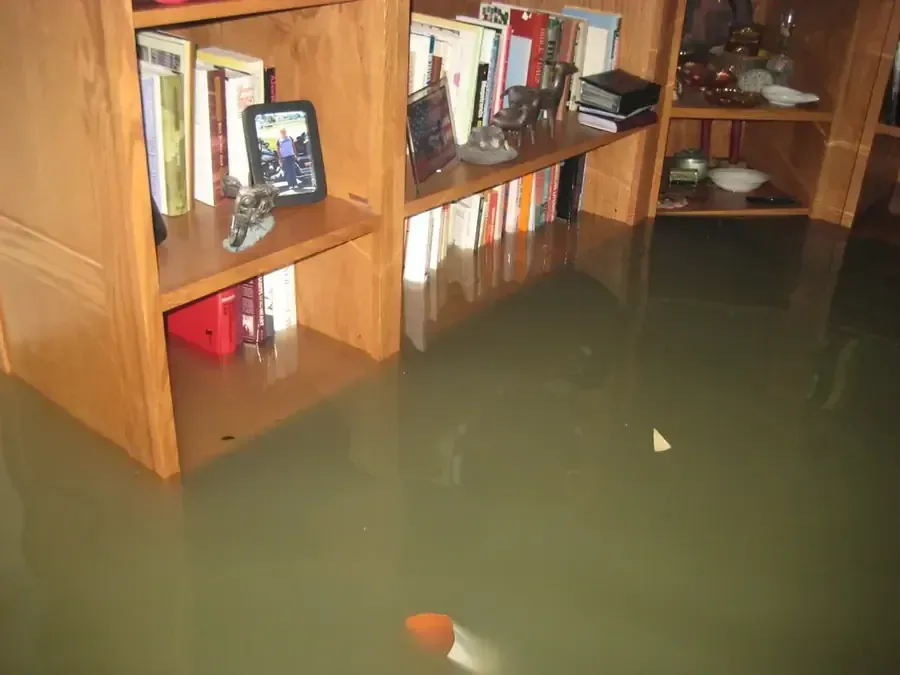
Storm Flood Cleanup
Runoff brings outdoor contact and sediment into the cleanup decisions before retained building materials receive drying.
Storm Flood Cleanup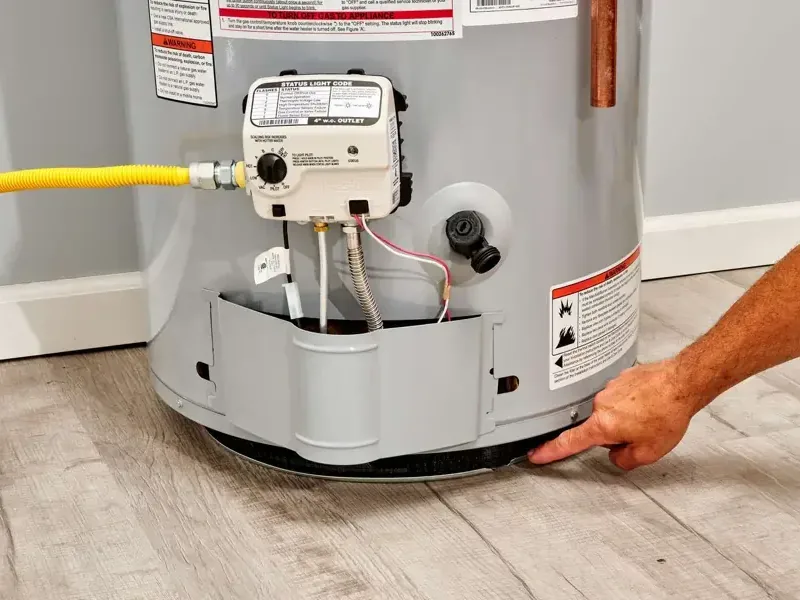
Water Heater Leak Cleanup
The tank surroundings and nearby thresholds need assessment while equipment work leaves the affected footprint accessible.
Water Heater Leak Cleanup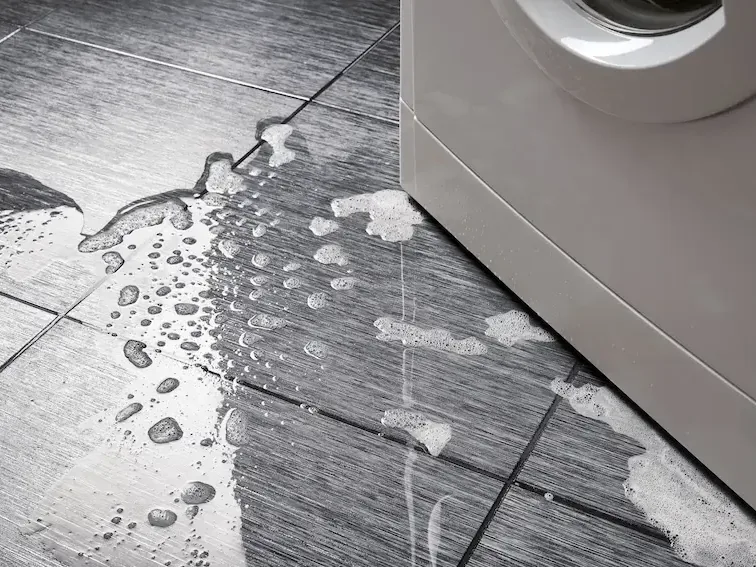
Appliance Leak Water Damage
Kitchen and laundry releases can disappear under toe kicks, cabinet bases and several connected flooring layers.
Appliance Leak Water Damage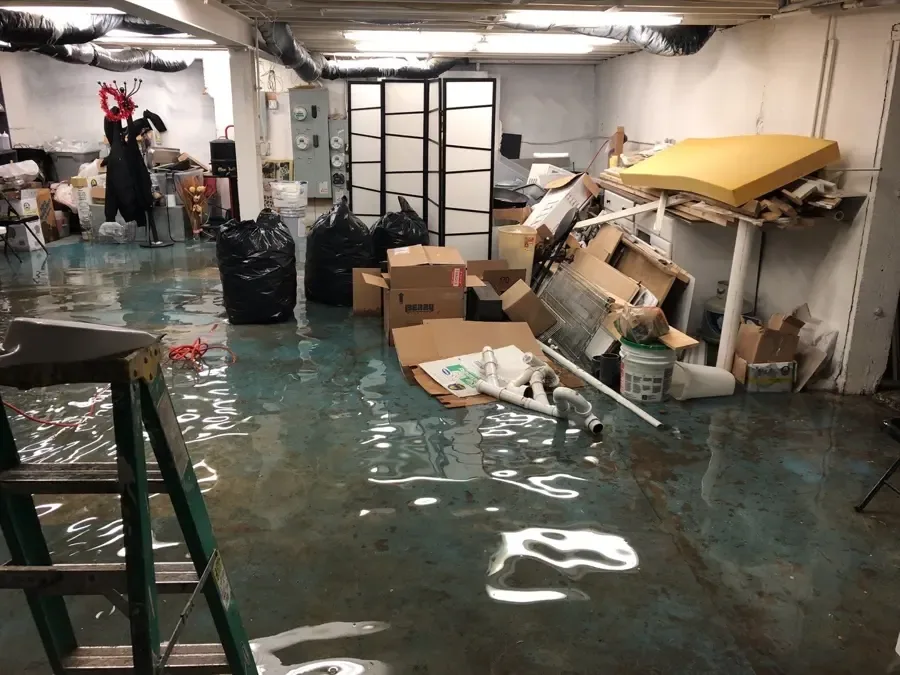
Sewage Backup Cleanup
Wastewater contact requires separation, controlled removal and cleaning before drying the construction that can safely remain.
Sewage Backup Cleanup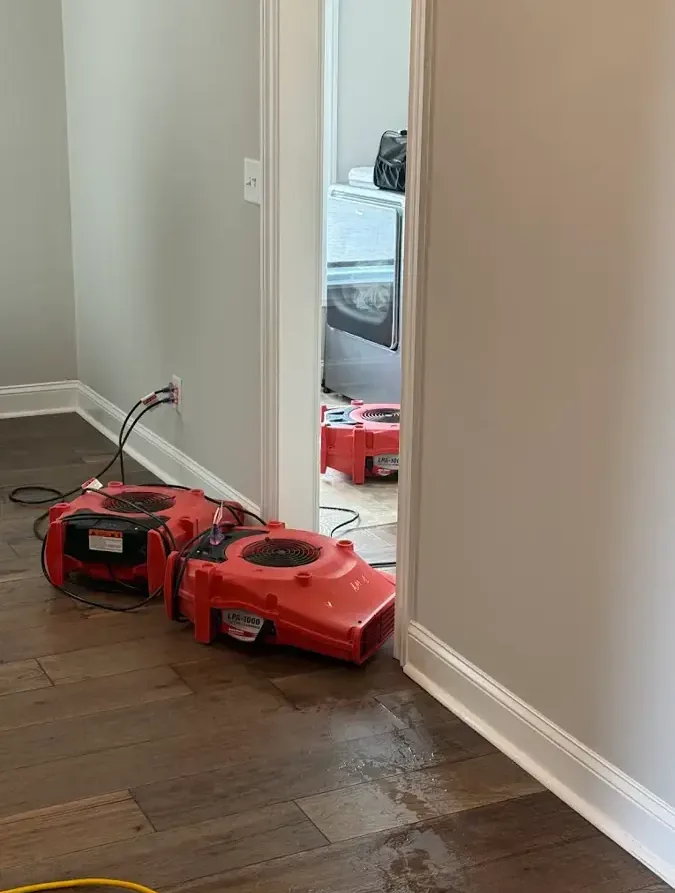
Structural Drying
Repeated material readings show whether access and equipment are removing moisture from the wet building assembly.
Structural Drying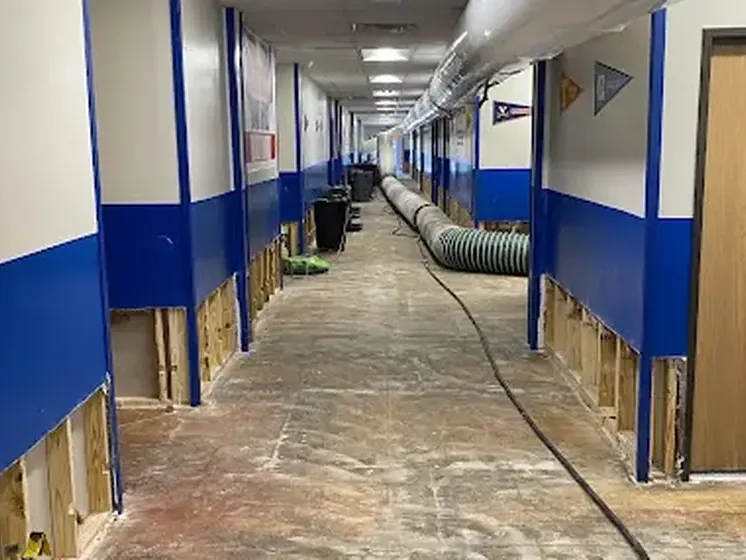
Commercial Water Damage
Business losses need coordination of property contacts, inventory, occupied spaces and the routes used for restoration.
Commercial Water Damage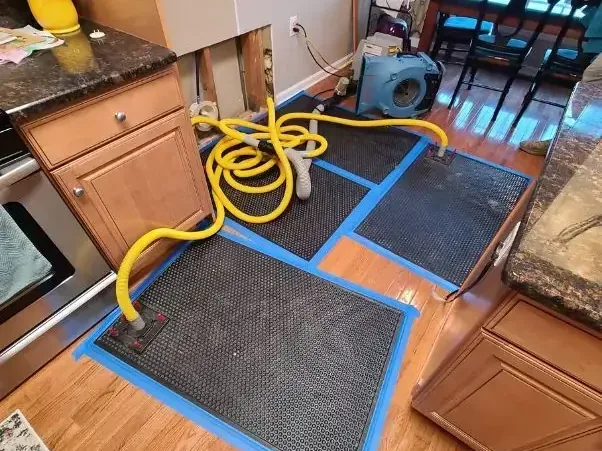
Hardwood Floor Water Damage
Changed boards and damp substrates need assessment together before floor drying, selective replacement or refinishing decisions.
Hardwood Floor Water DamageRemoval leads into cleaning and measured drying
Restoration works best when each task prepares the next. The source is controlled, accessible water is removed and affected materials are assessed before structural drying targets moisture held in the remaining building construction.
- 1
Locate the wet boundary
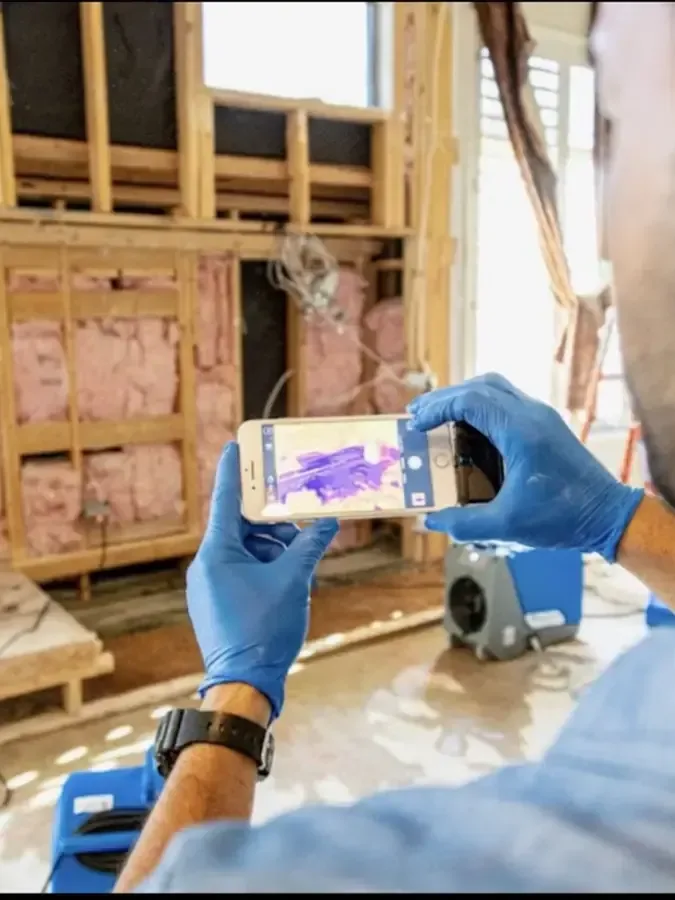
Inspection follows water through room connections and concealed edges. Initial measurements help distinguish visibly wet surfaces from the larger assembly that needs attention.
- 2
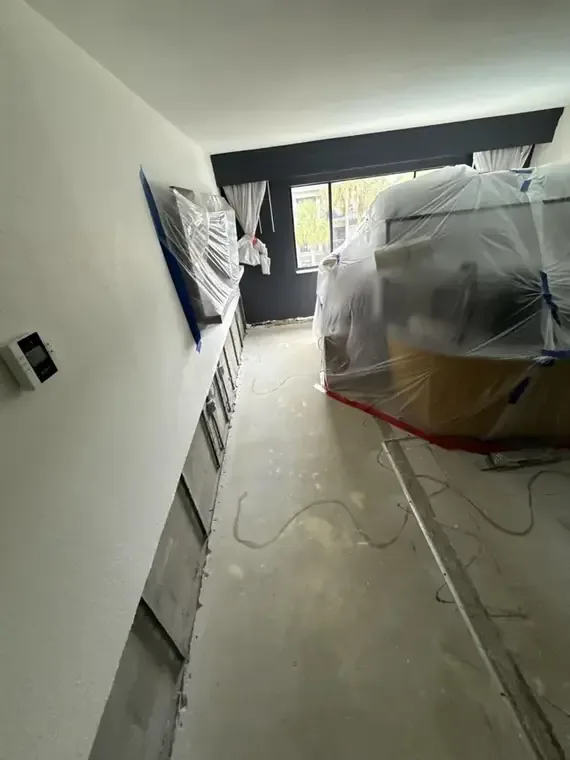
Reach affected layers
Material openings and removal decisions depend on damage, contamination and drying access. Retained surfaces must be reachable for the cleaning and moisture work they need.
- 3
Manage the drying environment
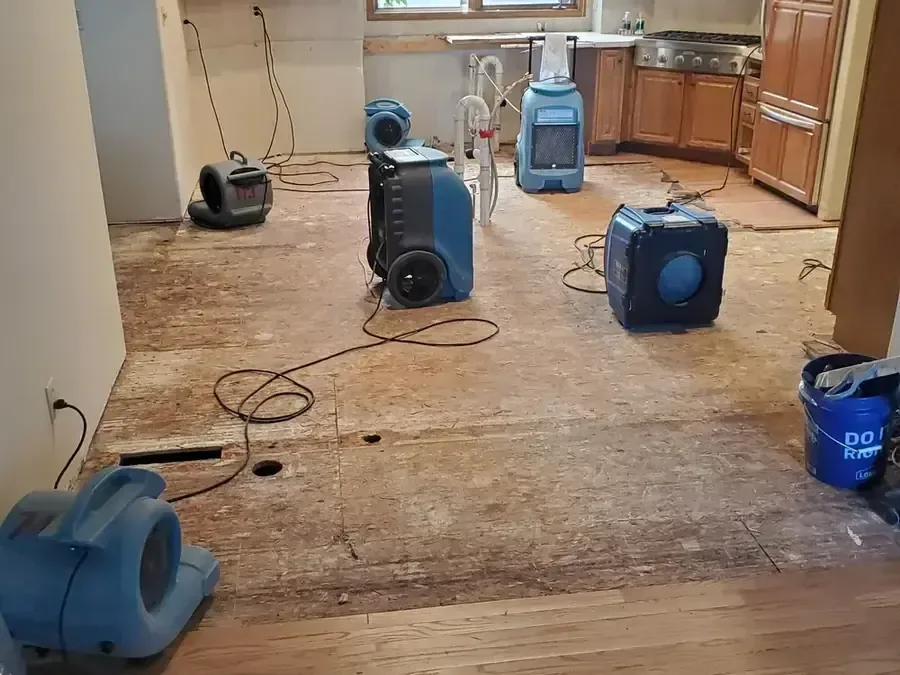
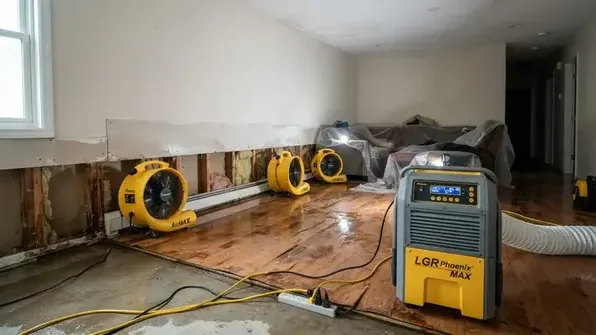
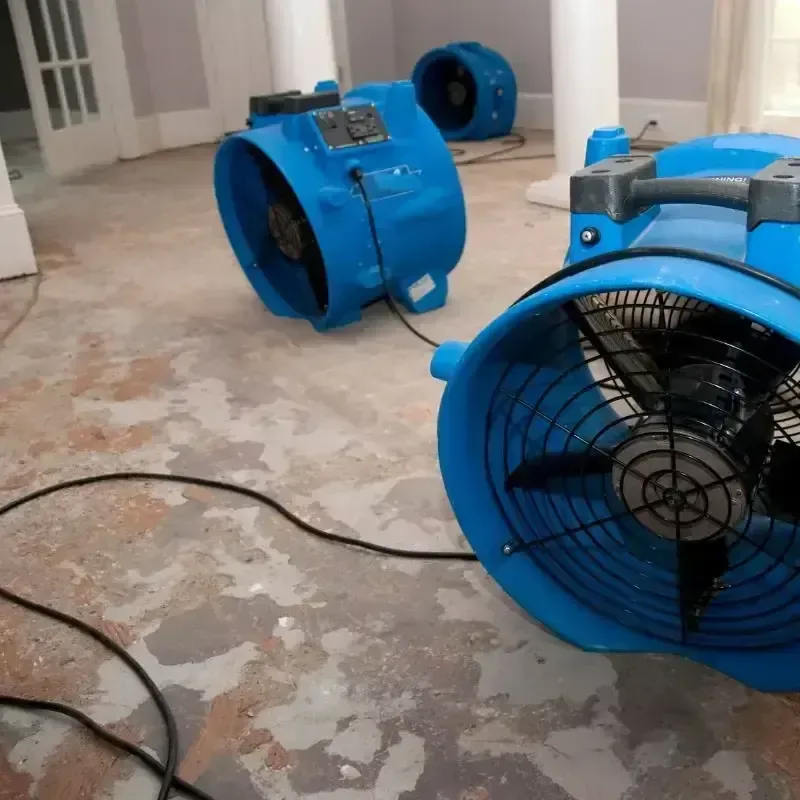
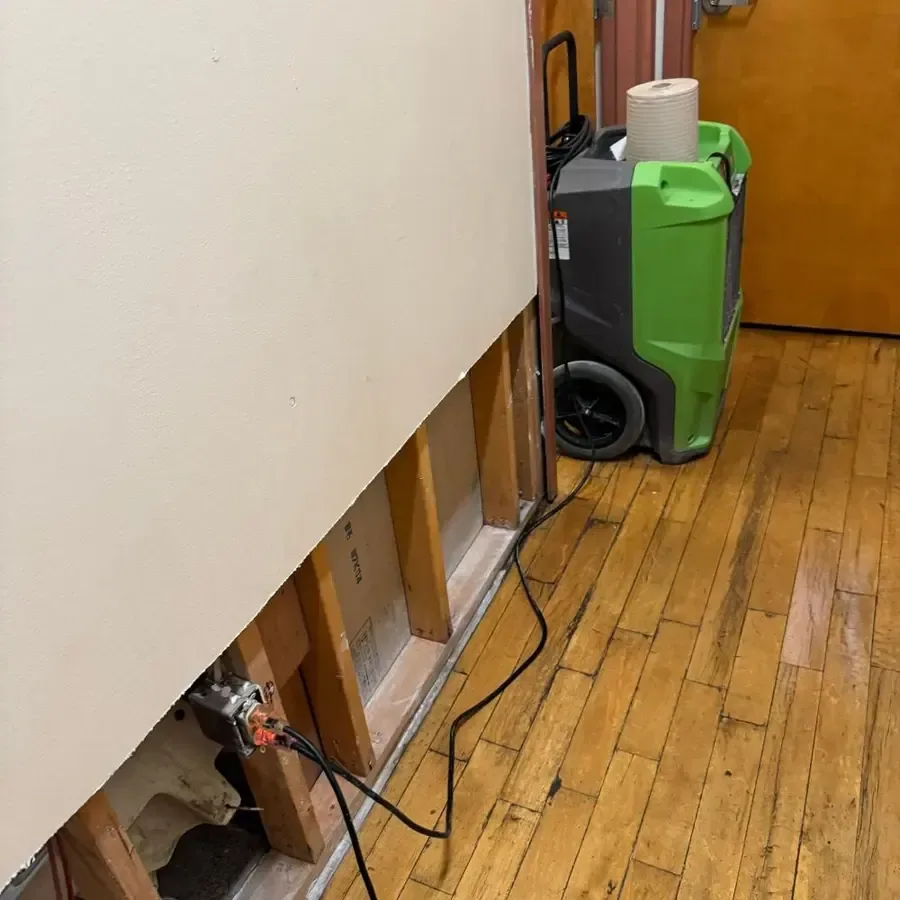
Air movement and dehumidification are arranged around exposed wet materials. Repeat readings show whether the setup needs adjustment as moisture leaves the affected construction.
- 4
Prepare the repair handoff
Final records describe material condition and remaining finish work. The handoff connects completed restoration tasks with the requirements for reinstalling flooring, trim or wall surfaces.
Useful records support practical restoration decisions
The owner needs to understand where water traveled, why materials require access and what drying accomplished. Photographs and measurements connect those questions with the scope, making the transition from emergency cleanup to repairs easier to follow.
Source control
The repair status is recorded alongside restoration findings. That connection helps separate the failed component from the surrounding construction affected by its escaped water.
Material assessment
Visible damage and concealed layers receive attention together. The proposed access should explain how wet materials will be reached and why selected finishes need removal.
Drying records
Repeated measurements stay connected to specific locations. Those records show progress and help explain equipment changes when an affected assembly needs additional access or airflow.
Repair planning
The handoff identifies damaged finishes and suitable conditions for replacement. Owners can distinguish completed moisture work from the remaining construction tasks needed to restore the room.
The source changes how materials are handled
Supply water release
A broken supply pipe can wet many layers quickly. The assessment considers the source, contacted surfaces and elapsed conditions before selecting extraction and drying methods.
Explore pooled water removalUsed appliance water
An appliance discharge brings a different cleanup question from an unused supply release. Cabinet bases, flooring and the water's contact history all affect material decisions.
Inspect kitchen and laundry spreadSewage entering indoors
Wastewater requires separation and contamination controls. Porous materials and concealed contact surfaces need assessment before retained construction can be cleaned and prepared for drying.
Understand controlled wastewater cleanupAccess and equipment vary with the affected assembly
Documentation for the insurance discussion
The restoration record should explain the source and affected materials. Policy questions belong with the insurer while cleanup findings remain clearly itemized.
- Photographs of the original source area and connected rooms before removal changes their appearance.
- Plumbing, roof or equipment findings that describe the failure and the completed source correction.
- A contents list separating wet belongings from items safely relocated without water contact.
- An estimate identifying extraction, material opening, cleaning, drying and proposed repairs as distinct tasks.
- Moisture records connected to room locations, with final observations supporting the later repair handoff.
Planning when paying directly
A direct payment decision still benefits from an itemized scope. The owner should be able to see which tasks address immediate water, which reach concealed layers and which belong to later finish repairs.
Inspection findings may expand the initial scope when hidden materials become accessible. Photographs and measurements should explain that change so additional work can be considered alongside the condition of the affected construction.
Local drainage and indoor water sources
The San Gabriel Mountains lie north of the city, with the San Rafael Hills to the south. Seasonal rainfall and household plumbing create different water damage situations requiring different responses.

February 6, 2010: Stormwater overflowed debris basins into residential neighborhoods during the February 2010 event. The subsequent recovery report described mud damage to homes in Paradise Valley, illustrating how sediment can become part of indoor cleanup.
- Winter rainfall Rain occurs mainly in winter and is rare in summer. Atmospheric river rainfall can intensify against the mountains, making roof entry timing useful during inspection.
- Southeast drainage Most of the city drains toward the Arroyo Seco area. At an affected property, the observed entry route and interior wet boundary determine the cleanup work.
- Western drainage The area generally west of Alta Canyada Road drains through Verdugo Canyon. Outdoor water entering a building needs assessment of sediment and contacted interior materials.
- Concealed plumbing spread A stopped pipe release can leave moisture beneath finishes. Changes at baseboards, floor transitions and ceiling seams help identify where further inspection should continue.
- Appliance and heater losses Equipment leaks can remain hidden around cabinets or tank footprints. Coordinating equipment access with moisture assessment helps expose surfaces that otherwise stay difficult to inspect.
Questions before water damage cleanup begins
01What information helps describe a new water loss?
The source, whether entry continues and the affected rooms provide a useful starting point. Electrical concerns, ceiling sagging and sewage contact should be mentioned. Photographs from a safe position can show conditions without requiring anyone to enter a hazardous space.
02Does a stopped leak still need restoration?
Source correction stops additional water but leaves absorbed moisture behind. Flooring layers, wall cavities and nearby belongings can remain wet after the puddle disappears. An assessment identifies those materials and determines whether removal, cleaning or drying work is still needed.
03Can the visible stain define the entire damage area?
A stain shows one place where water became apparent. Moisture can travel beneath a floor finish or through connected framing before reaching that surface. Measurements and selected access help establish the affected boundary beyond what a room photograph shows.
04How does sewage change the cleanup approach?
Sewage contact requires separation and controlled handling of contaminated water and materials. Some porous finishes may need removal to reach retained construction. Cleaning prepares those surfaces before equipment is used to dry the remaining wet assembly inside the affected room.
05When should photographs be taken?
Early photographs are useful when they can be taken safely. Wide views show the room pattern while closer images record affected finishes and belongings. Additional photographs during material opening explain concealed damage that could not be seen at the initial visit.
06Can drying equipment work through closed finishes?
Some assemblies restrict the path moisture needs to escape. Inspection determines whether selected openings or material removal are necessary. Equipment placement should follow the accessible wet construction, with repeat readings showing whether the drying approach is reaching the affected layers.
07What determines whether flooring can remain?
The water condition, installed materials and physical damage all matter. Boards, padding, underlayment and supporting surfaces need separate consideration. Measurements and observations help explain whether the floor can be dried in place or needs selective removal before repair decisions are made.
08Does restoration include fixing the original source?
The estimate should identify source repair responsibilities clearly. A plumber, roofer or equipment professional may handle that work while restoration addresses water damage around it. Coordinated access helps keep wet construction available for inspection after the source has been corrected.
09How is completion of drying documented?
Final material readings and observations should connect to the locations tracked during the work. The record identifies completed drying and any remaining damaged finishes. That handoff helps establish the next repair tasks and the conditions required before new materials are installed.
Connect the visible damage with a workable scope
An assessment follows water from its source into affected materials. Clear access details and room observations help organize removal, cleaning and drying before the property moves into finish repairs.
La Crescenta Water Damage Restoration · La Crescenta, CA