Storm Flood Cleanup in La Canada Flintridge
Mud at a doorway changes the cleanup priorities. Storm flood work in La Canada Flintridge starts with entry conditions and contaminated water handling before attention moves to cleaning exposed surfaces and drying the structure.
(888) 578-6508Discuss the runoff inside the property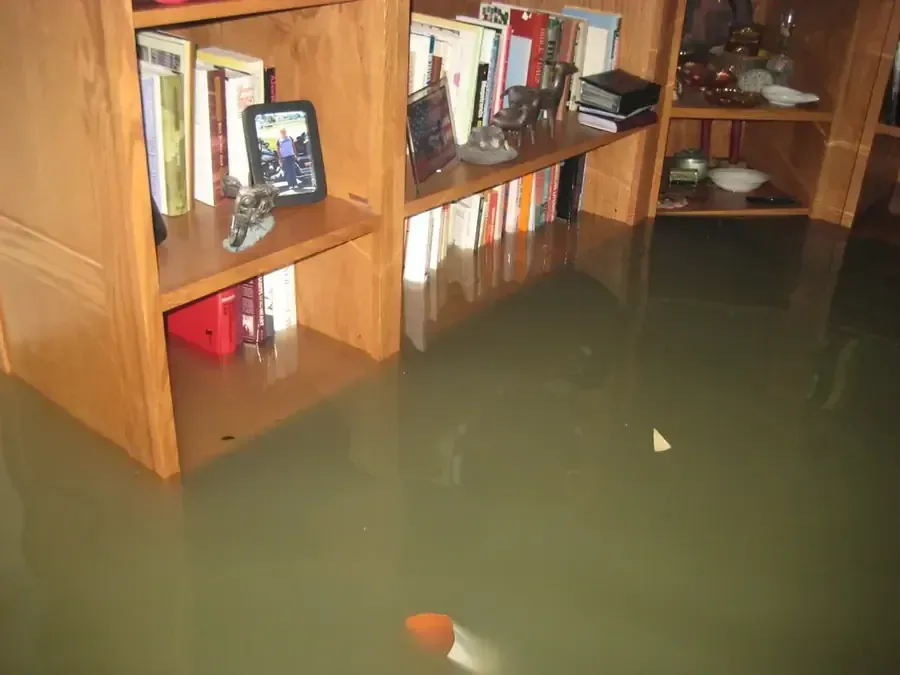
Stormwater can carry grit into floor joints, cabinet bases and enclosed wall edges. Removing the puddle leaves that residue behind. Cleanup needs an organized route from dirty water removal through cleaning and material decisions, with a boundary that prevents debris from being tracked into rooms the water never reached.
First steps for storm flood cleanup in La Canada Flintridge
Wait for safe access
Occupants should avoid moving water and electrical exposure. Safe entry must be established before belongings are carried out or powered equipment enters the flooded area.
Keep clean rooms separate
Foot traffic can move sediment onto dry floors. A defined boundary and separate storage for unaffected belongings help limit the area needing cleaning while removal work is organized.
Photograph the entry route
From a safe position, capture the doorway or opening, deposited debris and affected interior surfaces. Those images help preserve the loss pattern before water and mud are removed.
List damaged contents
Record wet furniture and belongings before disposal decisions. Their material, water contact and condition influence whether cleaning is practical and how the contents work fits the building cleanup.
How storm flood cleanup is handled in La Canada Flintridge
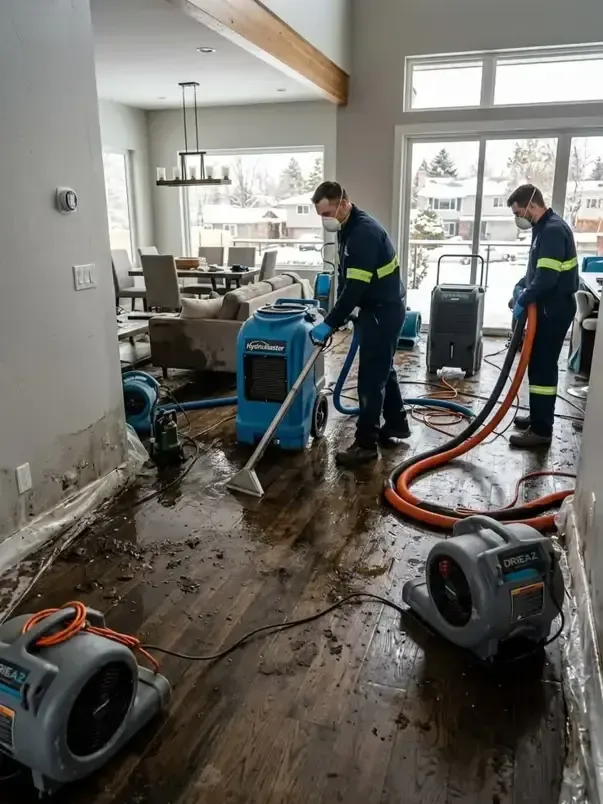
The mitigation crew establishes a moisture baseline, selects equipment for the affected assemblies and checks progress against dry reference materials. Recorded readings guide adjustments and the final equipment removal.
- 1
Set the dirty boundary
The inspection identifies entry points, ongoing water and affected materials. Work routes separate contaminated removal from clean storage and occupied spaces before equipment is placed.
- 2
Collect water and debris
Removal accounts for sediment and the surfaces underneath it. Damaged porous layers are assessed so cleaning can reach retained construction rather than leaving residue concealed.
- 3
Clean exposed construction
Accessible retained surfaces receive appropriate cleaning after bulk debris removal. The condition of joints and wall bases is checked before drying equipment moves air across the area.
- 4
Measure retained moisture
Drying follows the wet assembly beyond visible deposits. Repeated readings record progress and help define the remaining repair work once cleaning and moisture removal are complete.
A local history of water carrying debris
On February 6, 2010, stormwater overflowed debris basins into residential neighborhoods. The recovery report described mud damage in Paradise Valley. For a present loss, visible sediment and the route of incoming water help describe what entered the building and which interior materials require assessment.
Most of La Canada Flintridge drains southeast toward the Arroyo Seco area. The western area generally west of Alta Canyada Road drains toward Verdugo Canyon. At the property itself, doors, low openings and wet exterior approaches should be documented while inspection concentrates on the actual indoor water path.
- Moving or electrically energized water makes entry unsafe for occupants and cleanup personnel.
- Wet porous belongings should stay apart from clean possessions awaiting relocation or assessment.
- Indoor sediment needs controlled handling before air movement begins across exposed surfaces.
Work from dirty removal toward clean access
The crew assesses water condition and establishes a removal route before bringing equipment through occupied areas. Material decisions consider contamination as well as physical damage. Saturated layers that cannot be effectively cleaned may require removal so the remaining construction can be reached.
Once residue is removed and surfaces have been addressed, structural drying targets retained wet materials. Moisture checks continue beyond the visible mud boundary because absorbed water can travel into adjacent layers.
Storm loss insurance documentation
Safe photographs should show the entry opening, sediment deposits, affected rooms and damaged belongings. Notes about water movement and continuing entry help preserve conditions that may change before an adjuster visits.
Keep the cleanup scope itemized by removal, cleaning, drying and proposed repairs. Questions about the applicable policy belong with the insurer; the restoration record should clearly describe the water and damage encountered.
Storm flood cleanup across La Canada Flintridge and nearby towns
La Canada Flintridge storm cleanup assessments include Paradise Valley and properties around Alta Canyada Road or Ocean View Boulevard. Current access conditions and continuing water entry determine the immediate work priorities.
The same service nearby: storm flood cleanup in La Crescenta, Glendale, Pasadena.
Water damage restoration in La Canada Flintridge · every town covered
Related water damage services in La Canada Flintridge

Storm Flood Cleanup questions in La Canada Flintridge, CA
01Is clear looking runoff clean water?
Outdoor contact can introduce contamination even without visible mud. The water source and contacted materials determine the handling approach, not clarity alone.
02Should fans run before mud removal?
Air movement should follow assessment and cleaning of the dirty area. Starting fans across contaminated residue can spread material onto surfaces that were unaffected.
03Why remove some porous finishes?
Contaminated water may penetrate layers that cannot be effectively cleaned in place. Material condition and access determine the removal scope for the affected area.
04Does the historic storm describe this property?
The current inspection documents this property's entry route, water condition and damage. Cleanup decisions depend on those observations and the materials encountered inside.
05What should be photographed first?
Safe images of the entry opening, sediment pattern and affected contents are useful. Wide room views preserve the relationship between water movement and damaged surfaces.
06Can drying start after pumping?
Bulk removal comes first, followed by contamination assessment and cleaning. Drying retained materials begins when the work area and exposed surfaces are ready for it.
Remove debris before rebuilding the room
A careful sequence connects dirty water removal with cleaning and drying. Describing affected surfaces and remaining entry conditions helps establish the scope for the property.
La Crescenta Water Damage Restoration · La Crescenta, CA