Storm Flood Cleanup in Pasadena
Stormwater can bring outdoor dirt into rooms and beneath flooring. Cleanup needs a plan for contaminated deposits as well as the water itself, with safe boundaries established before occupants begin moving belongings.
(888) 578-6508Discuss runoff across the interior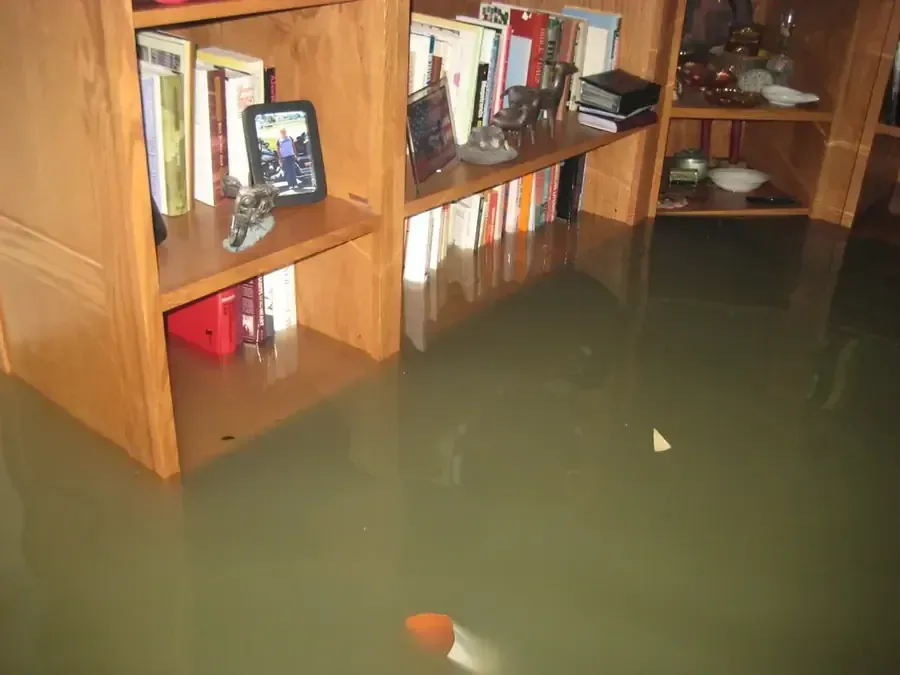
Flood cleanup in Pasadena must account for what incoming runoff carries. Dirt, sediment and debris can remain after standing water is removed. The first assessment connects the observed entry route with affected contents and building materials, then establishes how wet items can leave the property without spreading contamination into otherwise usable rooms.
First steps for storm flood cleanup in Pasadena
Wait for a safe approach
Occupants should avoid entering moving or standing floodwater around electrical equipment. Access depends on the current conditions at the property, including any unstable surfaces or continuing inflow.
Record the observed entry
Notes and safe photographs should identify where water entered and which rooms show deposits. This preserves useful information before pumping, handling belongings or cleaning changes the visible pattern.
Contain affected belongings
Wet items should remain separated from dry possessions until their condition is assessed. Carrying muddy materials through unaffected rooms can enlarge the cleanup area and complicate contents handling.
Arrange a source specific scope
Proposed work should address liquid, sediment, porous materials and retained surfaces. The scope also identifies drying after controlled removal and cleaning of the affected rooms.
How storm flood cleanup is handled in Pasadena
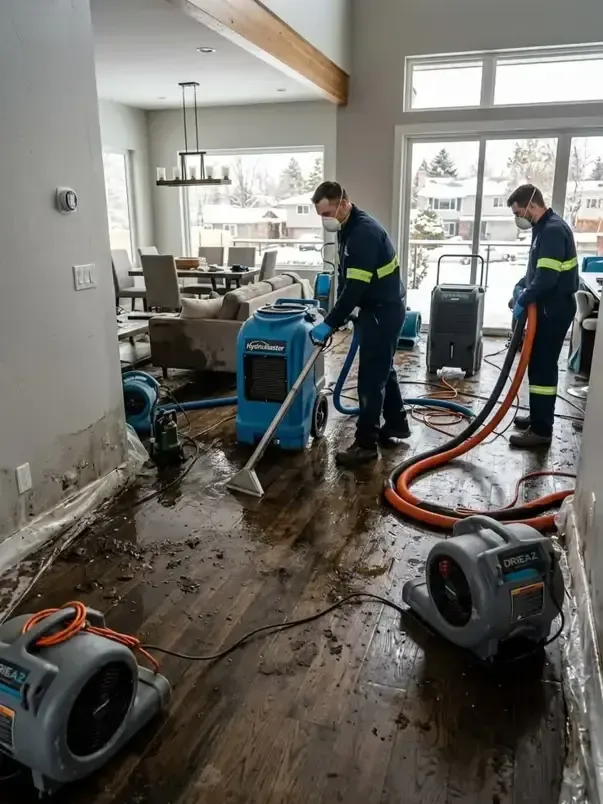
The mitigation crew establishes a moisture baseline, selects equipment for the affected assemblies and checks progress against dry reference materials. Recorded readings guide adjustments and the final equipment removal.
- 1
Establish safe work boundaries
The team assesses inflow, electrical concerns and contamination paths. Occupants stay outside the zone while suitable entry and material removal routes are arranged for cleanup.
- 2
Recover water and remove deposits
Extraction reduces the liquid and sediment load. Damaged porous layers are assessed individually, with disposal decisions recorded rather than hidden inside a general cleaning description.
- 3
Treat accessible remaining surfaces
The scope identifies treatment for retained materials and checks hidden interfaces. Cleaning should reach collected deposits instead of stopping at the visible room surfaces.
- 4
Measure before rebuilding begins
Assemblies need drying observations after cleaning. The handoff identifies moisture conditions, completed treatment and outstanding repairs so finishes are not placed over a damp layer.
Use the actual entry route to define the work
The Arroyo Seco Channel is a major tributary of the Los Angeles River. The proposed Arroyo Seco Water Reuse Project includes a San Rafael site in the Lower Arroyo Seco. At an individual building, cleanup decisions follow observed water movement through doors, openings or other entry points and the surfaces contacted indoors.
Brookside Park contains Kidspace Children's Museum, and Hahamongna Watershed Park is another geographic landmark. For a loss near these settings, access arrangements should identify safe parking and entry conditions without sending occupants through floodwater. Water around electrical equipment or unstable materials requires qualified assessment before handling begins.
- Keep children and pets outside rooms affected by incoming runoff or dirty deposits.
- Photograph water marks and sediment before cleanup changes the visible entry pattern.
- Separate wet contents from dry inventory using a route that avoids clean spaces.
Remove deposits before treating the remaining structure
Absorbent finishes and contents require evaluation after contact with stormwater. Extraction alone cannot remove dirt held inside a layered floor or porous wall covering. The scope should identify materials proposed for disposal and explain the cleaning method for surfaces that remain accessible and suitable for treatment.
After controlled removal and cleaning, structural drying addresses the remaining moisture. Cleaned surfaces and concealed cavities need appropriate measurements before rebuilding closes them behind replacement finishes.
Stormwater insurance records
A loss file should distinguish observed runoff entry from plumbing or roof leakage. Keep discovery notes, photographs, contents lists and cleanup invoices together. The insurer evaluates coverage for the specific source and policy, while the cleanup record documents the condition encountered and work performed.
Storm flood cleanup across Pasadena and nearby towns
Properties around the Lower Arroyo Seco, Brookside Park and Hahamongna Watershed Park can describe observed water entry and affected rooms. The building's actual conditions determine containment, access and the cleanup work proposed after stormwater entry.
The same service nearby: storm flood cleanup in La Crescenta, South Pasadena, La Canada Flintridge.
Related water damage services in Pasadena

Storm Flood Cleanup questions in Pasadena, CA
01Can clear runoff be treated like a supply leak?
Runoff may carry contamination even when it looks clear. Its outdoor travel path and contact with indoor materials affect the handling, cleaning and removal decisions made during assessment.
02Should muddy items be moved into another room?
Uncontrolled movement can spread deposits into dry areas. A planned handling route and separation of affected contents help keep the cleanup boundary from expanding while belongings are assessed.
03Does pumping finish the cleanup?
Pumping removes accessible water, but sediment and damp porous layers can remain. Cleaning, selective material removal and measured drying may still be required before the room is rebuilt.
04What determines whether a wall covering stays?
Contamination, material damage and access behind the surface matter. An absorbent layer that cannot be adequately cleaned or dried may need removal despite a relatively clean appearance.
05Can an exterior drainage project replace property assessment?
The cleanup scope follows water actually entering the building and the materials it contacts. Property access, interior deposits and current moisture conditions still need direct assessment after the event.
06What information distinguishes the source for insurance?
Entry photographs, weather observations and the location of indoor water marks help describe the event. The insurer uses the documented circumstances and policy terms to determine applicable coverage.
Address what the floodwater left behind
Sediment and wet layers need attention after the puddles disappear. Arrange an assessment that connects removal, surface treatment and drying with the actual path through the building.
La Crescenta Water Damage Restoration · La Crescenta, CA