Water Extraction in La Canada Flintridge
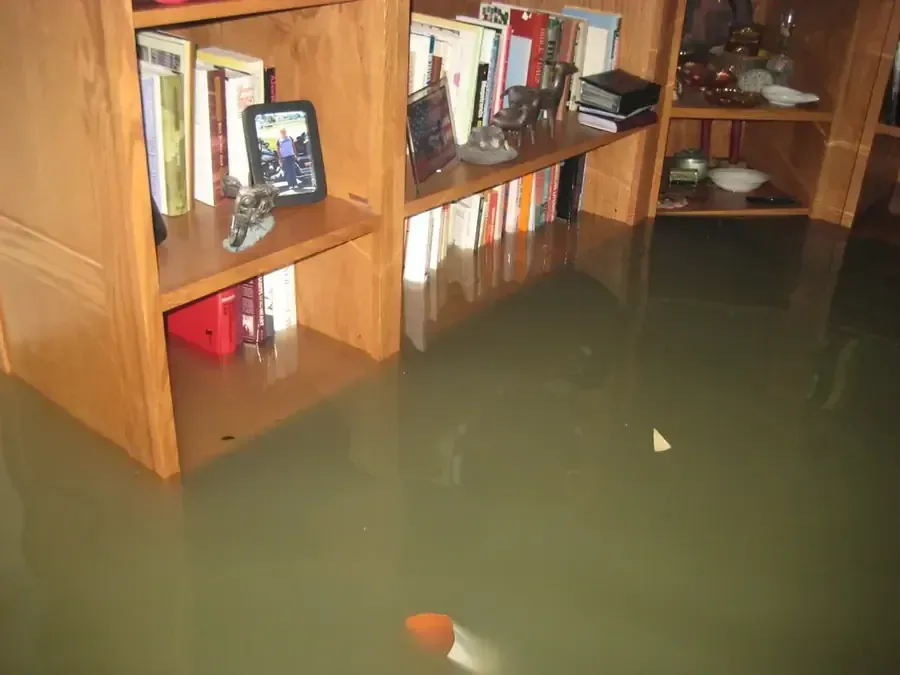
Standing water conceals the boundaries of a loss. Extraction in La Canada Flintridge starts with safe access and water condition, then follows moisture beneath furniture, along thresholds and into absorbent floor materials.
(888) 578-6508Arrange removal from the affected rooms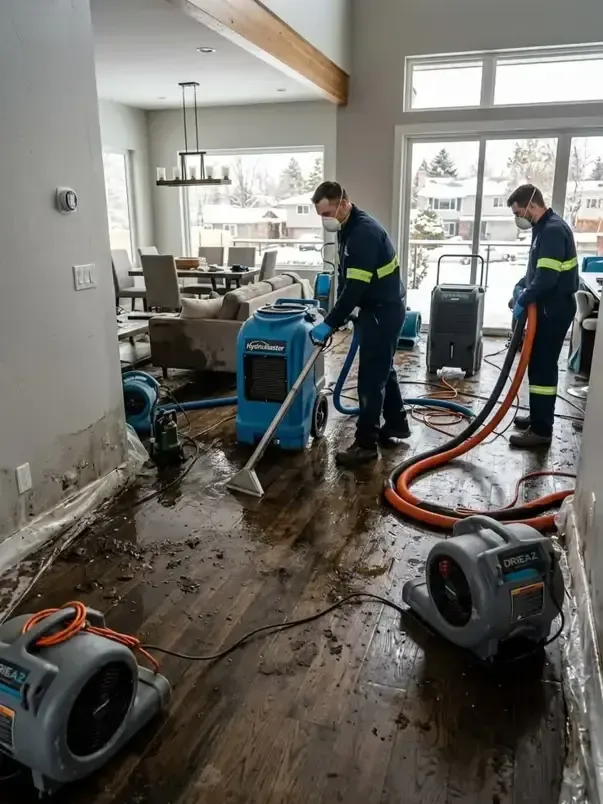
A room can look substantially better after pumping while its floor edges remain saturated. Extraction removes accessible water so the remaining damage can be examined. In La Canada Flintridge, an indoor pipe release and muddy outdoor entry require different handling from the beginning, even when both leave similar puddles across a room.
First steps for water extraction in La Canada Flintridge
Keep access dry
Occupants should remain outside wet rooms where outlets, appliances or cords may be involved. A safe path lets the assessment proceed without spreading water through unaffected spaces.
Describe the source
The intake description should distinguish a stopped supply leak from water still entering outdoors. Visible debris and the rooms involved help determine the removal approach before equipment placement.
Protect movable belongings
Dry belongings can be relocated from accessible areas when handling is safe. Wet rugs and upholstered pieces should remain separated so moisture does not transfer onto unaffected flooring.
Preserve the first photographs
Wide room photographs and close views of floor edges preserve conditions before extraction. Images of the source and damaged contents help connect the cleanup scope to the original release.
How water extraction is handled in La Canada Flintridge
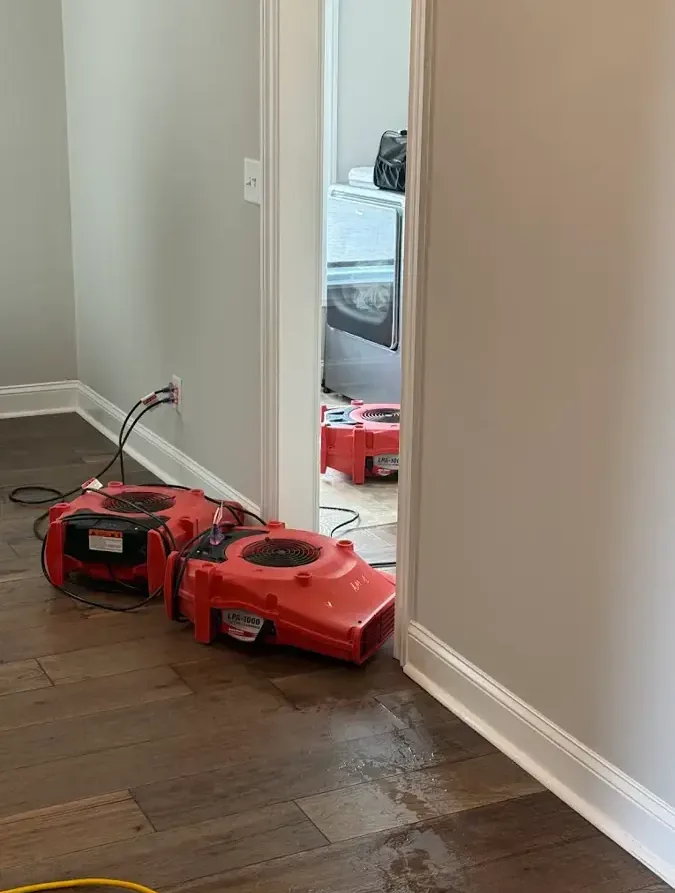
The mitigation crew establishes a moisture baseline, selects equipment for the affected assemblies and checks progress against dry reference materials. Recorded readings guide adjustments and the final equipment removal.
- 1
Locate pooled water
The assessment identifies accessible standing water, floor transitions and potential electrical exposure. Source information establishes whether ordinary extraction or contaminated water handling is appropriate.
- 2
Choose removal equipment
Pumps and extraction tools are matched to depth, debris and flooring. Collection routes are arranged to keep recovered water away from clean areas and stored belongings.
- 3
Inspect exposed edges
As the water recedes, technicians examine baseboards, carpet backing and cabinet contact points. Moisture measurements identify places where surface removal has left damp underlying materials.
- 4
Set the next scope
The findings define drying zones and any necessary material removal. Records connect the initial water condition with the equipment and followup work needed for each affected room.
Separate sediment from an indoor release
Paradise Valley experienced mud damage during the February 2010 storm recovery. That history makes the distinction between runoff and supply water especially useful when describing a new loss. Sediment, contact with outdoor surfaces and wastewater involvement affect containment, disposal and which porous materials can remain. Water appearance alone cannot settle the cleanup method.
For a home near Foothill Boulevard, the initial description should identify the source, whether it has stopped and which rooms connect through wet thresholds. Furniture legs, rugs and cabinet bases can interrupt visible flow while allowing water to pass underneath.
- Electrical hazards must be resolved before powered equipment enters the wet area.
- Soft flooring needs attention beneath the face material and along its edges.
- Outdoor debris requires controlled removal before detailed cleaning of the exposed surfaces.
Remove water without losing the damage boundary
Extraction passes follow the surface type and the depth of saturation. A hard floor may expose water readily while cushioning beneath carpet holds moisture under pressure. Moisture readings beyond the visible puddle help establish where removal should continue. Near Ocean View Boulevard, the actual room layout determines equipment placement and the route for removing collected water.
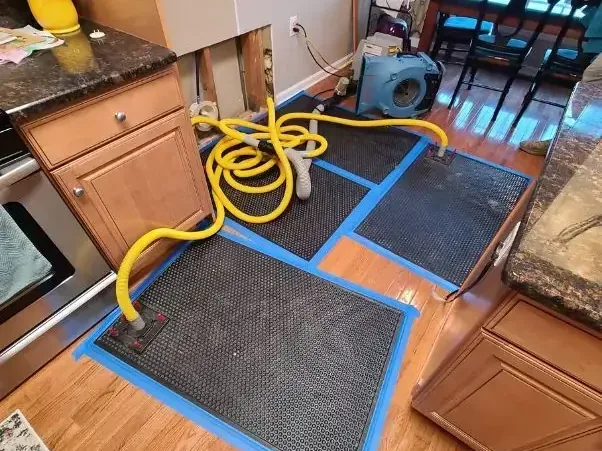
After bulk removal, structural drying addresses damp assemblies. Lifting a rug or opening an edge can reveal additional work that was concealed during the first walk through.
Extraction records for insurance
Photographs should show the source area, water path and affected contents before those conditions change. An extraction record separates the removal work from later drying and material replacement. Equipment notes and moisture readings explain why the scope extends beyond a photographed puddle.
Repair invoices belong with that record when plumbing caused the release. Coverage decisions remain with the insurer; the cleanup estimate should describe the work and materials clearly enough for the owner to compare the proposed tasks.
Water extraction across La Canada Flintridge and nearby towns
Service covers La Canada Flintridge homes around Foothill Boulevard, Paradise Valley and Ocean View Boulevard. Access details, occupied rooms and the location of standing water help organize the initial assessment.
The same service nearby: water extraction in La Crescenta, Glendale, Pasadena.
Water damage restoration in La Canada Flintridge · every town covered
Related water damage services in La Canada Flintridge
Water Extraction questions in La Canada Flintridge, CA
01Does pumping finish the job?
Pumping clears standing water. Flooring layers, wall bases and furnishings may retain moisture that requires further extraction or controlled drying before repairs begin.
02Can a household vacuum collect it?
Ordinary household vacuums are unsuitable for water collection. Electrical safety, contaminated water and disposal needs should be assessed before any powered removal begins.
03Why inspect beyond the puddle?
Water travels under connected finishes. The visible edge can sit inside a larger wet area, especially where thresholds or cabinet bases conceal the path.
04Does muddy water change the work?
Outdoor sediment changes handling and cleaning requirements. The crew assesses affected materials and contains the dirty area before choosing extraction and removal methods.
05Must every wet carpet be discarded?
The water condition, backing, padding and time wet determine the decision. Carpet that remains in place still needs assessment below its visible surface.
06What information helps during the call?
The source, affected rooms, current water depth and any electrical concerns help describe the loss. Photographs are useful when they can be obtained safely.
Clear the surface and assess beneath it
Extraction opens the way to a more complete moisture assessment. Details about the source, floor coverings and access help organize the removal work.
La Crescenta Water Damage Restoration · La Crescenta, CA