Structural Drying in La Canada Flintridge
The room can feel comfortable while building materials still hold water. Structural drying in La Canada Flintridge uses measurements, material access and controlled room conditions to track moisture leaving the affected construction.
(888) 578-6508Assess the materials that remain damp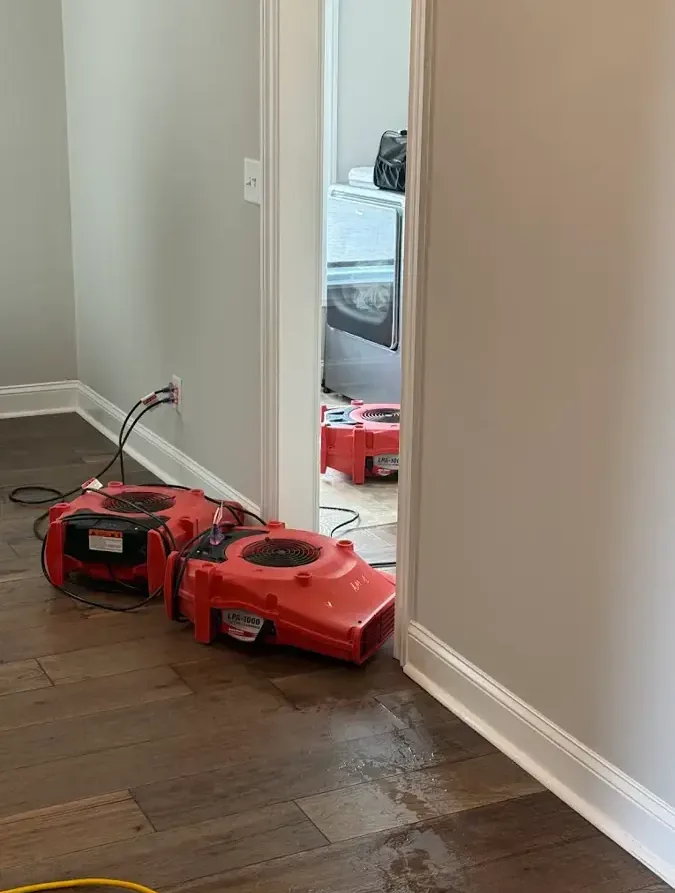
A fan moving air through a room does not show whether moisture is leaving the wall behind it. Structural drying needs measurements tied to specific materials and locations. Those readings establish the starting condition, reveal slow areas and support the decision to remove equipment before finish repairs begin.
First steps for structural drying in La Canada Flintridge
Keep the source controlled
Correcting water entry allows drying conditions to stabilize. Renewed dampness should be reported promptly so the source and equipment arrangement can be reassessed before work continues.
Preserve equipment access
The drying area needs clear paths around air movers and dehumidifiers. Stored belongings and closed doors should not interrupt the planned airflow or obstruct access to the marked measurement locations.
Discuss room use and power
Occupied rooms, sleeping areas and available electrical capacity affect equipment placement. The arrangement should account for safe movement through the property and any access restrictions that change during the work.
Wait for material based decisions
Finish repair timing should follow measurements and material condition. A surface that feels dry to the touch can still cover a damp layer that needs further access or drying.
How structural drying is handled in La Canada Flintridge
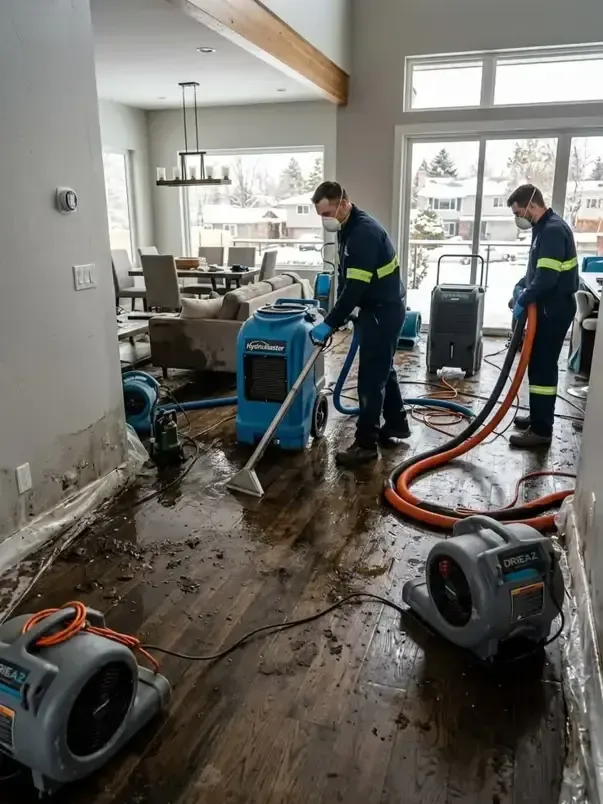
The mitigation crew establishes a moisture baseline, selects equipment for the affected assemblies and checks progress against dry reference materials. Recorded readings guide adjustments and the final equipment removal.
- 1
Establish a measurable baseline
Initial readings identify affected materials and the extent of moisture. The assessment also considers suitable comparison locations and the access needed to reach concealed wet layers.
- 2
Create usable evaporation paths
Selective openings and material decisions prepare the structure for drying. Equipment is then arranged to move air across accessible wet surfaces while dehumidification manages moisture in the room.
- 3
Respond to changing measurements
Repeat checks track progress at consistent locations. Persistent moisture prompts investigation of hidden layers, blocked airflow or unresolved entry, followed by changes addressing the cause.
- 4
Record the endpoint clearly
Final readings and material observations support equipment removal and the repair handoff. The record identifies any remaining damage or installation requirements that affect the next stage of work.
Build the plan around actual materials
Flintridge lies on the northern flank of the San Rafael Hills, while Ocean View Boulevard reaches the mountain front neighborhood area. Inside each property, construction and the water path determine the drying approach. Exposed framing, layered flooring and an enclosed wall base provide different routes for moisture to escape.
La Canada Flintridge has hot summers and mild winters. Indoor equipment still needs to manage the conditions around wet materials. Opening windows or changing equipment settings can alter that environment, so ventilation and room access should follow the established drying arrangement.
- The source must be controlled so new water does not replace moisture being removed.
- Contaminated surfaces require cleaning before air movement is directed across retained construction.
- Measurement locations should remain consistent so progress can be compared across visits.
Investigate readings that stop improving
When a material remains wet, the response may involve better access, a changed airflow path or further source investigation. Simply leaving equipment in place does not explain a stalled reading. The inspection should look for trapped layers and connections to another wet assembly.
Near Alta Canyada Road, an affected floor can require water extraction before the drying setup can work effectively. The two tasks remove water in different forms and belong in the same restoration sequence.
Structural drying insurance records
A drying record connects equipment placement with the affected rooms and materials. Initial readings, subsequent measurements and changes to the setup explain why work continued or why access had to expand.
Completion notes should identify the measured locations and remaining repair needs. Those details provide a clearer handoff than a general statement that the building feels dry, especially when new flooring or wall finishes are planned.
Structural drying across La Canada Flintridge and nearby towns
Structural drying serves La Canada Flintridge homes in Flintridge and near Ocean View Boulevard or Alta Canyada Road. The affected construction, available power and occupied spaces shape the equipment arrangement and access plan.
The same service nearby: structural drying in La Crescenta, Glendale, Pasadena.
Water damage restoration in La Canada Flintridge · every town covered
Related water damage services in La Canada Flintridge
Structural Drying questions in La Canada Flintridge, CA
01Is dry air the same as dry construction?
No. Room humidity and material moisture describe different conditions. Both matter when evaluating whether wet framing, walls or floor layers are ready for repair.
02Can equipment be switched off overnight?
The drying arrangement relies on controlled conditions. Changes should be discussed with the restoration contact so the effect on wet materials and the equipment plan can be assessed.
03Why measure the same spot again?
Consistent locations make progress easier to compare. A changing reading can show whether the selected access and equipment are removing moisture from that material.
04What happens when a reading stays high?
The area needs investigation for trapped moisture, inadequate access or continuing water entry. The setup may need adjustment to address the actual cause of slow progress.
05Will every wall need an opening?
Openings depend on the wet layers and available drying paths. Inspection determines where access is necessary and which assemblies can be addressed without additional removal.
06What determines when repairs can begin?
Material condition, moisture measurements and the requirements of the planned finish determine readiness. The completion record should identify those findings and any remaining work.
Track moisture through the building materials
An assessment identifies where water remains and how it can leave. Access decisions, equipment placement and repeat readings connect the initial wet condition with readiness for repairs.
La Crescenta Water Damage Restoration · La Crescenta, CA