Commercial Water Damage in La Canada Flintridge
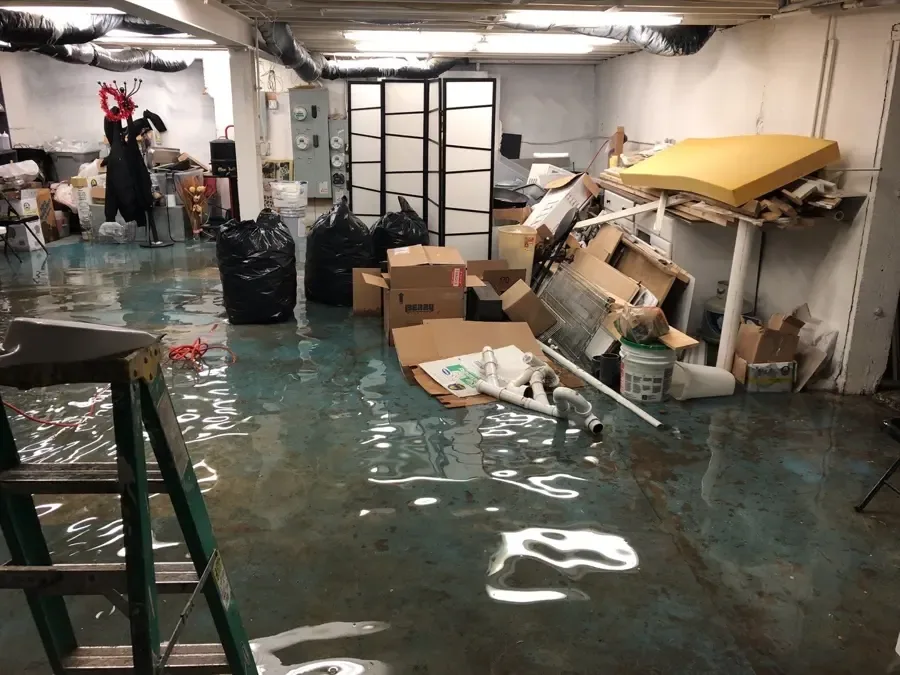
A wet commercial room can affect access, stored goods and neighboring occupied space at once. La Canada Flintridge restoration organizes those dependencies before removal and drying work expands through the affected property.
(888) 578-6508Discuss the affected commercial space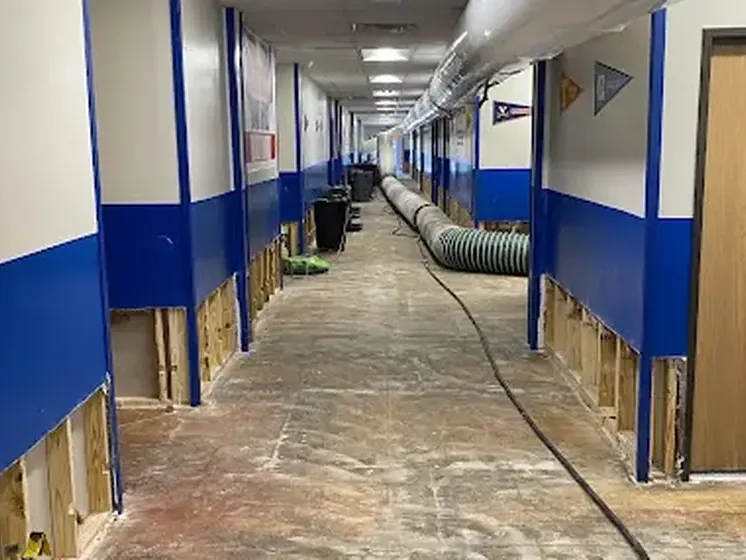
A commercial water loss creates several decisions before the first piece of drying equipment is positioned. Staff need a safe route, stored items may need relocation and a manager must coordinate access. Restoration planning brings those decisions together while tracing the water through the building's connected spaces.
First steps for commercial water damage in La Canada Flintridge
Name a property decision contact
A responsible manager should coordinate access, tenant communication and finish decisions. Clear responsibility helps when inspection reveals water beyond the first room reported.
Identify sensitive contents
Inventory, documents and powered equipment need condition records and safe relocation. Dry contents should remain separate from wet items so damage stays clear during handling.
Establish safe circulation
Staff and visitors should avoid wet electrical areas, unstable materials and active removal routes. The assessment should identify whether an unaffected passage can remain available while restoration work is organized.
Share operational access constraints
Opening hours, secured rooms and adjoining occupants affect inspection and equipment placement. The property contact should describe those constraints alongside the source status and the visible extent of water damage.
How commercial water damage is handled in La Canada Flintridge
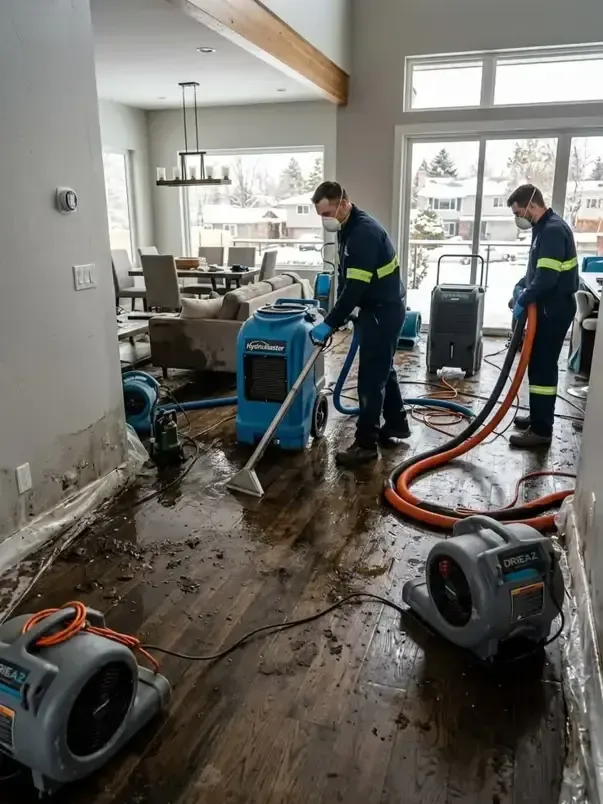
The mitigation crew establishes a moisture baseline, selects equipment for the affected assemblies and checks progress against dry reference materials. Recorded readings guide adjustments and the final equipment removal.
- 1
Define the affected work areas
The assessment maps water spread and identifies the responsible property contacts. Safety, occupancy and inventory concerns are recorded with the rooms and construction needing restoration attention.
- 2
Organize removal and protection
Water removal routes and contents handling are planned around access constraints. Vulnerable dry goods are separated while affected finishes receive the inspection and opening needed for further work.
- 3
Monitor each drying zone
Equipment placement follows the wet assemblies and available power. Measurements remain tied to their locations so progress can be communicated clearly across different rooms or occupied areas.
- 4
Hand off the remaining repairs
The final record distinguishes completed drying from finish replacement and equipment service. Property managers receive the area information needed to coordinate the next work and any continuing access restrictions.
Give the property contact a usable scope
Foothill Boulevard is an important local corridor, while Descanso Gardens and the Jet Propulsion Laboratory are part of the city's community setting. Commercial restoration in La Canada Flintridge centers on the individual property: its occupied areas, water source and the materials actually affected by the release.
The initial scope should identify who can authorize access, which spaces contain vulnerable goods and where wet finishes meet unaffected operations. A loss in one room may reach a neighboring suite through shared floor edges or wall cavities, requiring coordination beyond the first visible puddle.
- Wet electrical equipment should remain unused until its safety has been assessed.
- Staff and visitors need separation from unstable finishes and active removal work.
- Inventory photographs should preserve water contact and condition before relocation changes the scene.
Phase access around the building's connections
Extraction and drying routes should account for doors, common passages and the removal of damaged materials. A property on Descanso Drive may have access constraints that change the equipment arrangement. Those constraints belong in the work plan alongside the wet boundary and the availability of suitable power.
Structural drying can be organized by affected assembly while keeping clear records of each work area. Any continued occupancy needs a safety assessment of its relationship to wet surfaces and equipment.
Commercial water loss insurance documentation
Photographs, room identifiers and material quantities help the property contact explain the restoration scope. Equipment notes and moisture logs should remain linked to the affected spaces rather than appearing as an undifferentiated equipment list.
Keep source repair information, damaged inventory records and building restoration costs distinguishable. The final handoff should show which areas have completed drying, what finishes need repair and which access restrictions remain during that work.
Commercial water damage across La Canada Flintridge and nearby towns
Commercial assessments cover La Canada Flintridge properties around Foothill Boulevard, Descanso Drive and Encinas Drive. The property contact should identify affected suites, access restrictions and any occupied spaces connected to the loss.
The same service nearby: commercial water damage in La Crescenta, Glendale, Pasadena.
Water damage restoration in La Canada Flintridge · every town covered
Related water damage services in La Canada Flintridge

Commercial Water Damage questions in La Canada Flintridge, CA
01Can unaffected areas keep operating?
That depends on safe access, electrical conditions and separation from the work. The assessment should identify how occupied areas relate to wet construction and equipment.
02Who should coordinate the restoration visit?
A property contact with access and decision authority helps organize the assessment. Tenant and manager responsibilities should be clear when water reaches shared or adjoining spaces.
03How is wet inventory handled?
Its condition and water contact should be documented before relocation or disposal. Dry goods should remain separate while affected contents receive an appropriate handling assessment.
04Why inspect the neighboring room?
Shared floor edges and wall cavities can carry water beyond the first space. Moisture checks help identify whether adjoining areas belong within the restoration scope.
05Can work be divided into areas?
The layout, water path and safety conditions determine whether phased access is practical. Drying records should clearly identify each area and its remaining work.
06What belongs in the manager's handoff?
Area photographs, source information, moisture records and repair needs explain the work. The handoff should also identify any continuing restrictions affecting access or normal operations.
Coordinate the wet space and its operations
Restoration planning follows the building's connections and operational needs. A defined scope helps managers understand affected areas, equipment placement and the repair work that follows drying.
La Crescenta Water Damage Restoration · La Crescenta, CA