Sewage Backup Cleanup in Burbank
Wastewater across a bathroom floor changes how the whole affected area is handled. Keep occupants outside the contaminated space while the drain problem, wet contents and porous building materials are assessed together.
(888) 578-6508Discuss wastewater inside the property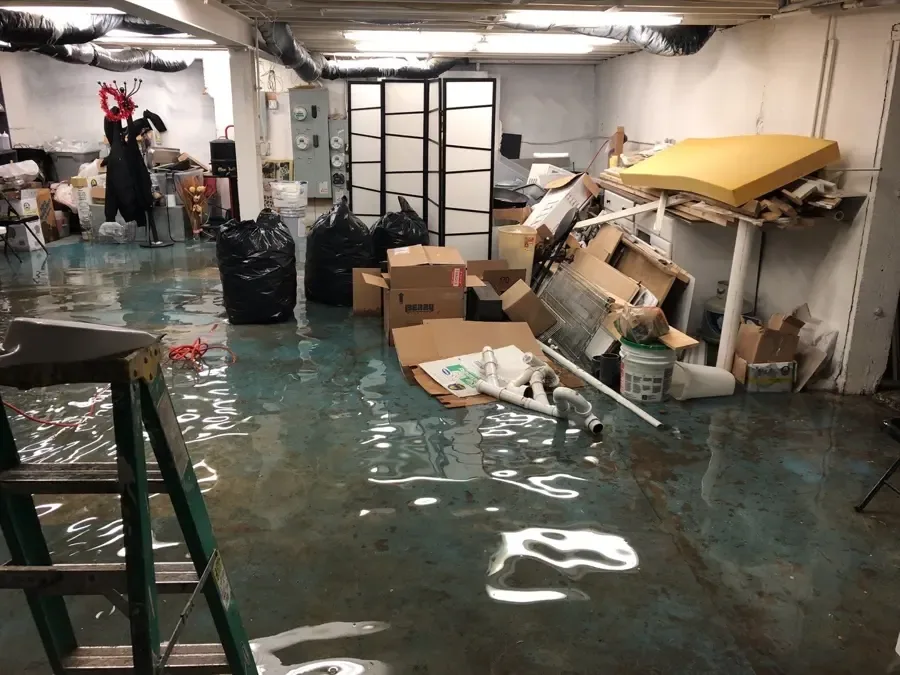
A sewage backup needs more than removal of the visible liquid. Water can contact absorbent flooring, stored belongings and wall bases as it spreads. The handling plan must account for contaminated surfaces and the path workers and materials will use to leave the affected room without spreading dirty residue elsewhere.
First steps for sewage backup cleanup in Burbank
Restrict the contaminated area
Close off access where practical and keep occupants from crossing dirty water. Avoid moving contaminated items into clean rooms while the extent of exposure is being assessed.
Stop use of affected drainage
Repeated fixture use can add more wastewater when a blockage remains. Arrange a drain assessment and explain any recurring rise or discharge observed before cleanup work begins.
Document without contacting wastewater
Take photographs only from a clean safe position. Describe the rooms and contents affected so the initial scope can be discussed without walking into contaminated material.
Organize a controlled removal route
Identify a suitable entrance and the person authorizing work. Contaminated waste and equipment movement need planning that protects unaffected rooms and keeps occupants clear of the work.
How sewage backup cleanup is handled in Burbank
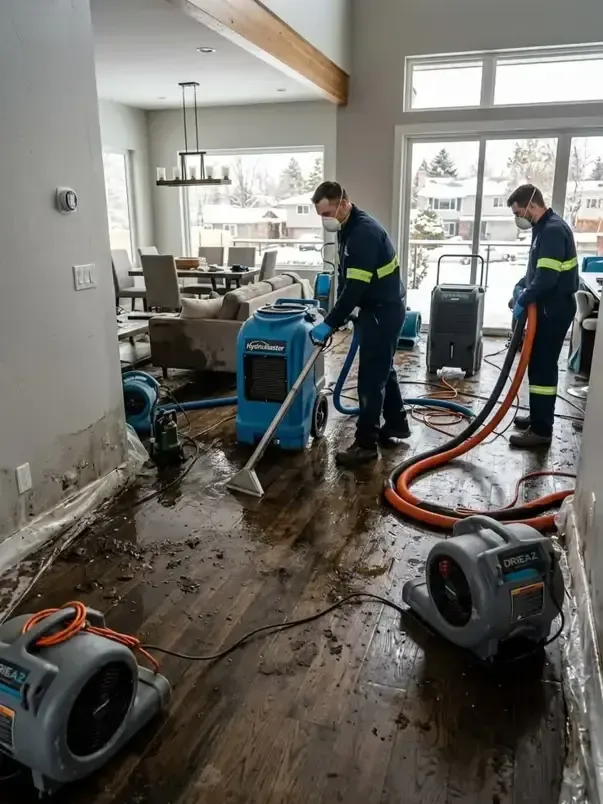
The mitigation crew establishes a moisture baseline, selects equipment for the affected assemblies and checks progress against dry reference materials. Recorded readings guide adjustments and the final equipment removal.
- 1
Assess exposure and source status
Assessment identifies affected materials, ongoing discharge and access hazards. Drain repair coordination helps prevent another release from interrupting cleaning or rewetting the retained structure.
- 2
Recover wastewater and separate debris
Removal methods account for contamination and the layout of the property. Unsuitable porous materials are documented, handled and moved along a planned route away from occupied clean rooms.
- 3
Clean remaining structural surfaces
Exposed retained surfaces receive the cleaning appropriate to their condition. The work includes attention to edges and recesses where residue can remain after visible liquid has been removed.
- 4
Dry the cleaned retained materials
The equipment arrangement follows the remaining wet assembly. Moisture readings and work records connect the cleaning stage with the condition of materials before the next restoration trade begins.
Keep the affected space separate
Magnolia Park combines older homes with vintage shops and local boutiques. Downtown Burbank has restaurants and outdoor patios along San Fernando Boulevard, while the Media District contains business premises. At any affected interior, occupancy and room use shape how access is restricted and which contents require assessment.
A drain trade needs to investigate the cause of the backup. Cleanup addresses the wastewater already inside, but recurring discharge can recontaminate cleaned materials. Describe whether water rises when fixtures are used and avoid further use of the affected drainage until appropriate source advice is available.
- Keep children, animals and unnecessary foot traffic outside the contaminated rooms.
- Do not direct household fans across sewage or dirty absorbent materials.
- Avoid carrying wet rugs or debris through clean occupied areas of the property.
Assess porous materials before drying
Absorbent flooring, insulation and upholstered items can hold contaminated water beyond the visible surface. Their condition and exposure determine removal or specialist handling needs. Retained surfaces require cleaning appropriate to the loss before equipment is arranged to dry the remaining structure. Disposal records should identify what left the property.
The final stage may include structural drying of exposed framing and floor assemblies. Before the room returns to use, the crew checks the cleaned surfaces, documents material removal and measures moisture in the retained structure.
Insurance documentation for sewage exposure
Photograph the overflow location and visible spread from a clean position. Keep the drain findings, contaminated item list and cleanup scope together, with removal, cleaning and drying described separately. Insurer decisions depend on the policy and circumstances; clear records show the work performed without substituting for a coverage determination.
A separate restoration budgeting tool is available for preliminary planning before inspection establishes the contaminated material scope.
Sewage backup cleanup across Burbank and nearby towns
Wastewater cleanup planning includes homes and business interiors in Magnolia Park, Downtown Burbank and the Media District. Explain which fixtures overflowed and which rooms are affected without entering the contaminated area to investigate.
The same service nearby: sewage backup cleanup in La Crescenta, Glendale, La Canada Flintridge.
Related water damage services in Burbank

Sewage Backup Cleanup questions in Burbank, CA
01Can household mopping finish a sewage cleanup?
Mopping cannot assess contamination inside porous materials or concealed floor edges. Wastewater exposure needs a handling plan that addresses both visible residue and affected building layers.
02Should nearby fixtures remain in use?
A continuing drainage problem can cause another discharge. Avoid using affected fixtures until a drain professional has assessed the source and provided appropriate operating advice.
03Can contaminated carpet be dried in place?
Porous flooring exposed to sewage requires direct assessment and may need removal. Air movement alone does not address contamination held in backing, underlay or adjacent materials.
04Does the absence of odor mean cleanup is complete?
Odor is not a reliable completion measure. Material handling, cleaning records and moisture conditions provide a more useful basis for discussing the restored area.
05What belongings should be listed before disposal?
Record contaminated absorbent items, stored goods and damaged furnishings when safe. Photos and descriptions help the owner discuss treatment, disposal and possible claim requirements.
06Who determines whether backup damage is covered?
The insurer applies the policy terms to the circumstances. Source findings and itemized mitigation records support that discussion without promising reimbursement for a particular loss.
Plan cleaning before returning to the room
Wastewater needs controlled removal and careful material decisions. Arrange an assessment of contaminated surfaces, porous contents and the structure that will remain after the cleanup.
La Crescenta Water Damage Restoration · La Crescenta, CA