Commercial Water Damage in Burbank
A wet business interior creates several decisions at once: protect people, identify damaged contents and establish who can authorize work. Commercial cleanup organizes those decisions around the affected rooms and the materials that need attention.
(888) 578-6508Discuss the affected business space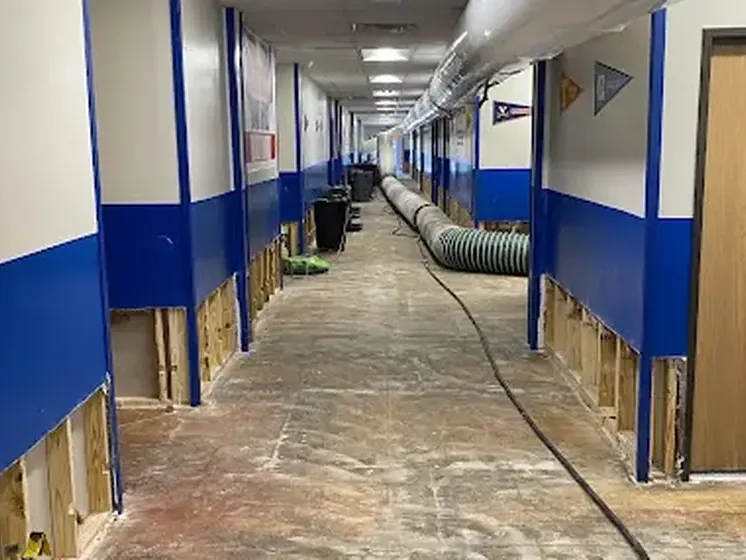
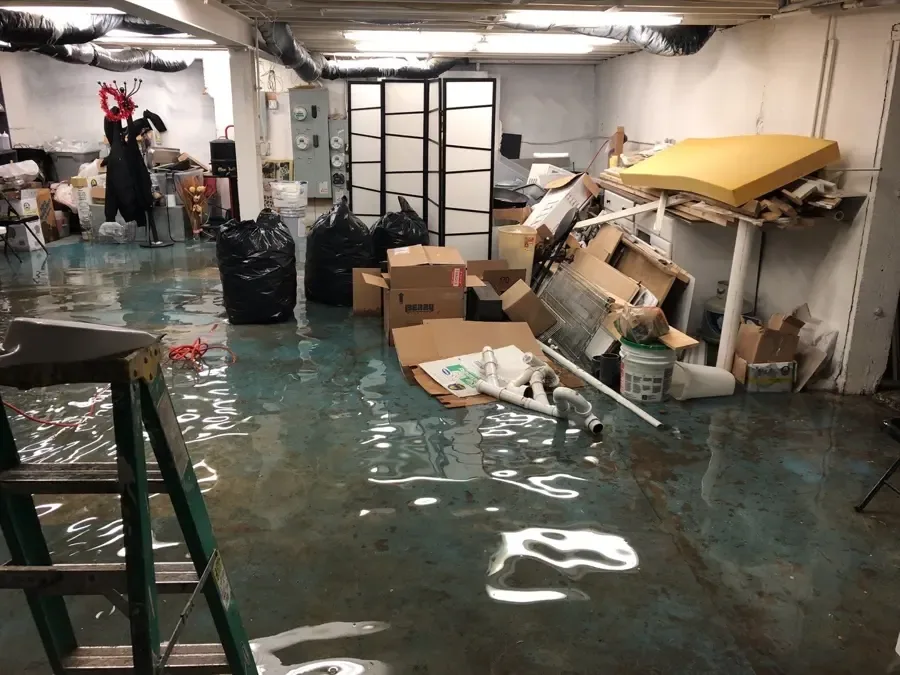
A supply release beside a stockroom can affect the working day beyond that room. People need a safe route, contents need documentation and the owner needs to know what work is proposed. A commercial assessment brings those issues together before equipment or material removal disrupts more of the premises.
First steps for commercial water damage in Burbank
Choose the authorized property contact
Identify who approves emergency work and controls access. A clear contact reduces delays when assessment requires entry to locked rooms, adjoining suites or building utility spaces.
Restrict unsafe occupied areas
Keep staff and customers outside wet zones with electrical or overhead hazards. Discuss usable entrances before moving contents or placing temporary barriers around the affected rooms.
Document stock and business contents
Photograph the position and condition of affected goods when safe. Keep inventory details separate from building material records so each category can be discussed with the relevant decision maker.
Share operational access needs
Explain essential routes and times when particular spaces must be available. These needs help shape equipment placement while the actual wet materials determine the restoration scope.
How commercial water damage is handled in Burbank
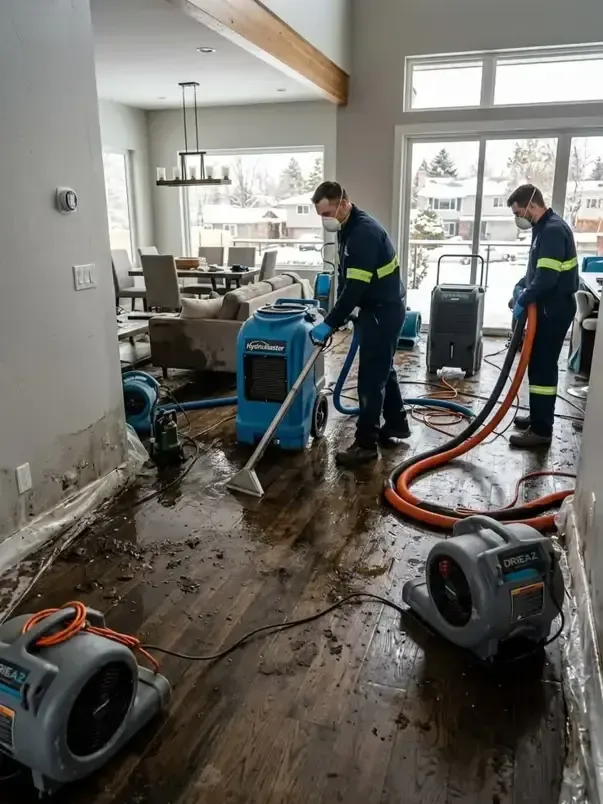
The mitigation crew establishes a moisture baseline, selects equipment for the affected assemblies and checks progress against dry reference materials. Recorded readings guide adjustments and the final equipment removal.
- 1
Map the loss and decision makers
Room access and authorization are established first. Inspection then follows the water path through connected spaces to define the proposed restoration work.
- 2
Organize contents and work routes
Wet stock, furniture and equipment receive condition records before movement. The removal route and drying layout account for occupied spaces and the entrances needed during the restoration period.
- 3
Remove water and address materials
Extraction and selective removal follow the assessed surfaces and water condition. The scope distinguishes building mitigation from separate specialist work needed for equipment or other business contents.
- 4
Track conditions through the handoff
Moisture records show progress in the retained assembly and support equipment adjustments. Final documentation gives the property contact useful information for scheduling repair trades and decisions about affected rooms.
Match the scope to the business setting
Downtown Burbank has restaurants and outdoor patios along San Fernando Boulevard. Magnolia Park contains vintage shops and local boutiques, while the Media District is home to major entertainment businesses. These settings call for different conversations about contents, access hours and the separation of affected rooms from occupied areas.
The Airport District is anchored by Hollywood Burbank Airport, with the Empire Center as a shopping destination in that area. At an individual commercial loss, identify the suite, entrance and responsible contact. The actual water path and building layout determine whether adjacent spaces also need inspection.
- Keep staff and visitors away from wet electrical equipment and unstable finishes.
- Record affected inventory before movement or disposal changes its original position.
- Identify the person who can authorize access to neighboring or locked spaces.
Keep business needs visible during drying
Equipment routes, cord placement and material removal can affect normal circulation. Discuss essential entrances and any contents requiring specialist handling before the setup is finalized. A phased approach may be possible when the loss and room layout permit separation, but the condition of affected areas determines suitable use.
Water extraction can reduce accessible liquid before retained surfaces enter a drying program. Moisture checks must still follow connected walls and flooring outside the first reported room.
Insurance documentation for a commercial loss
Separate building damage, contents exposure and operational records. Keep photographs, source findings and the mitigation scope accessible to the authorized decision maker. Room specific removal notes and drying measurements help explain charges and support coordination between the property owner, tenant, insurer and later repair trades.
The property contact can use the cleanup budgeting tool to prepare cost questions before the affected commercial spaces are inspected.
Commercial water damage across Burbank and nearby towns
Commercial assessments include Downtown Burbank, Magnolia Park and the Media District. Describe the business use, affected rooms and property authorization contact so the restoration discussion can address occupancy and access alongside the wet materials.
The same service nearby: commercial water damage in La Crescenta, Glendale, La Canada Flintridge.
Related water damage services in Burbank

Commercial Water Damage questions in Burbank, CA
01Can unaffected parts of the business remain occupied?
That depends on safe access, water condition and separation from the work. The assessment should address occupied areas before equipment and removal activities are arranged.
02Who should authorize cleanup in a rented suite?
The tenant and property manager need to clarify authority promptly. Identify the person approving building work and the contact responsible for access to shared spaces.
03How should damaged inventory be documented?
Photograph goods in place when safe and record item descriptions and condition. Keep inventory records distinct from the scope for wet walls, flooring and other building materials.
04Can computers or specialist equipment be dried normally?
Affected business equipment may need a qualified specialist. Avoid energizing wet devices and keep their assessment separate from the drying plan for the surrounding building.
05Why inspect the neighboring room or suite?
Water can cross thresholds and move through connected assemblies. Inspection should follow measured spread, including accessible adjoining areas beyond the room where the loss was reported.
06What helps coordinate repairs after mitigation?
Room specific removal notes, moisture measurements and final condition photographs support the handoff. The property contact can use those records when arranging finish repairs and access.
Organize the property response around the loss
A clear scope connects water removal with contents handling and drying. Arrange a commercial assessment that gives the property decision maker a practical record of the affected space.
La Crescenta Water Damage Restoration · La Crescenta, CA