Water Heater Leak Cleanup in Glendale
A puddle at a water heater can disappear beneath nearby finishes while the tank still needs repair. Glendale cleanup addresses that escaped water and the concealed edges around the equipment, not just the visible pool.
(888) 578-6508Discuss water escaping around the heater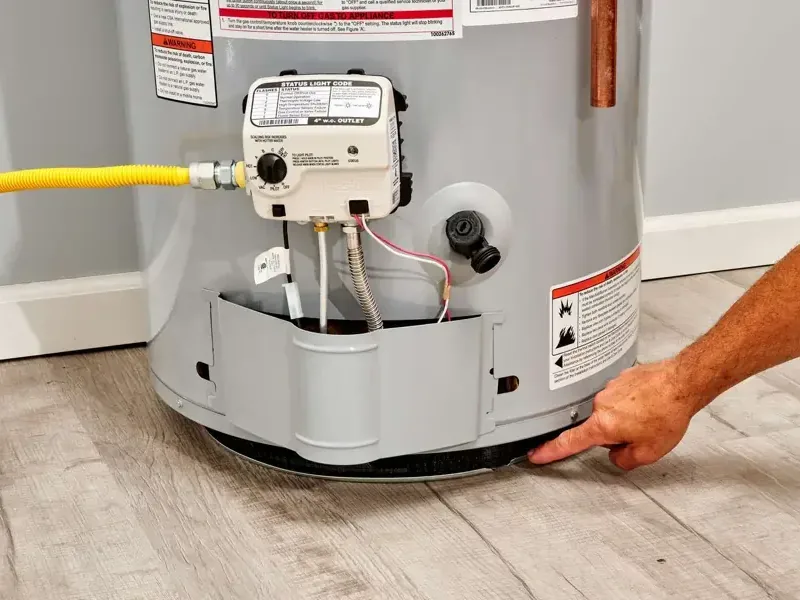
A wet ring beside a tank is only the visible part of a water heater loss. The cleanup assessment needs to follow water under nearby finishes and into any adjoining room. Repairing or replacing equipment addresses the source; drying the surrounding building materials remains a separate task with its own access needs.
First steps for water heater leak cleanup in Glendale
Avoid unsafe equipment contact
Water near controls or electrical parts can make the area hazardous. Leave adjustment and source correction to the appropriate trade when access or operating conditions are uncertain.
Describe where the water first appeared
A photo of the tank base, nearby connections and the puddle boundary helps preserve the discovery condition. Include affected room edges before liquid recovery changes the visible pattern.
Coordinate clearance around the installation
Equipment repair may require space already occupied by drying tools or wet belongings. Agree on access so the source can be addressed without concealing untreated floor or wall damage.
Assess the finish beneath and beside it
After accessible liquid is removed, check neighboring trim, wallboard and floor layers. Any replacement equipment or new finish should leave necessary drying access available until the materials are ready.
How water heater leak cleanup is handled in Glendale
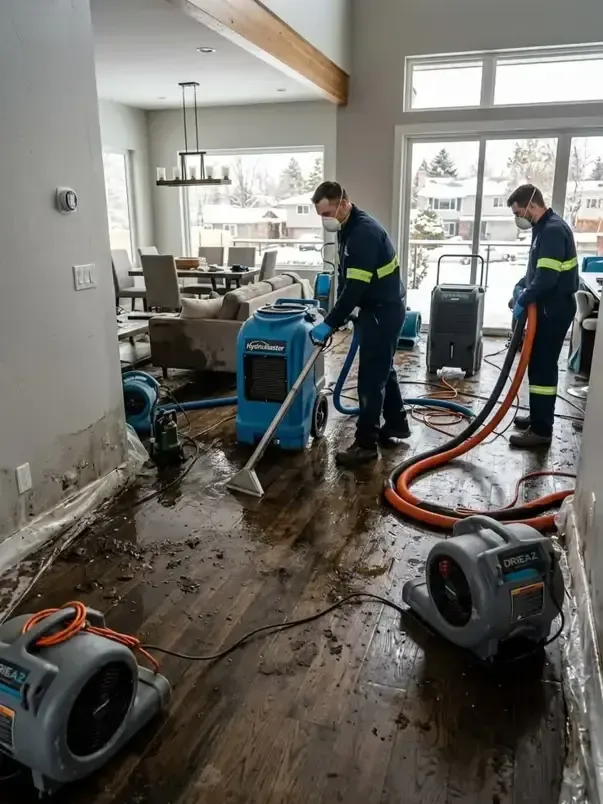
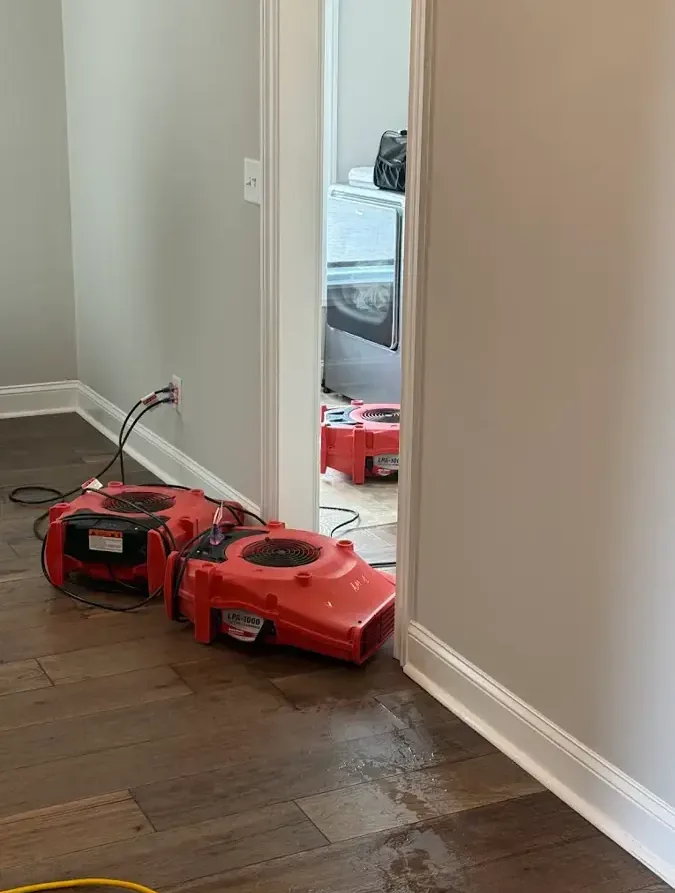
The mitigation crew establishes a moisture baseline, selects equipment for the affected assemblies and checks progress against dry reference materials. Recorded readings guide adjustments and the final equipment removal.
- 1
Establish equipment and damage tasks
Source findings identify what needs mechanical attention. Interior observations define wet building materials so equipment repair and restoration remain distinct, coordinated parts of the work.
- 2
Remove surrounding water
Recovery follows the puddle into adjoining floor sections. Protected walking routes and clearance around the tank allow trade work to proceed beside the cleanup area.
- 3
Expose trapped moisture at edges
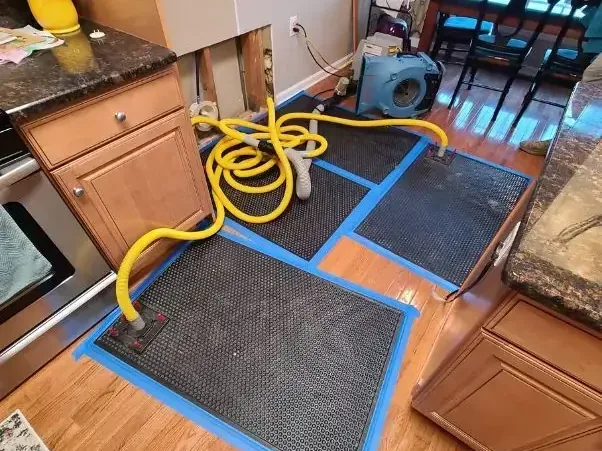
Trim and floor transitions can conceal water near equipment. Access decisions relate to measured conditions and the ability to reach damp layers beneath finishes.
- 4
Check the completed installation surround
Evaluate remaining wall and floor materials before enclosure. Document unfinished restoration tasks separately from the operating condition of the repaired or replacement water heater.
Make room for equipment work and water recovery
Glendale Water & Power is the municipal water and electric utility. Inside the property, a water heater's connections and controls require attention from the appropriate trade. Occupants should avoid handling wet electrical components or attempting to move a heavy tank. A safe work area allows source attention and interior recovery to proceed in a coordinated sequence.
Adams Hill, South Glendale and the area around San Fernando Road provide different property settings. The useful details are the actual equipment location, nearby floor covering and the route water took away from the tank. An enclosed installation may need a different drying arrangement from equipment beside an open floor.
- Note whether water is beneath the tank or at a connection.
- Photograph adjoining wall bases and the first wet flooring transition.
- Preserve equipment access while recovery hoses and drying tools are placed.
Inspect beyond the equipment footprint
Water can soak trim, wallboard edges or a floor covering before becoming obvious in another room. Once the tank area is safe, standing water recovery addresses accessible liquid. Checks beneath available edges help identify retained moisture and whether a finish needs selective opening to reach the wet substrate.
A replacement tank should not obscure untreated damage around its base. Coordinate the order of equipment work and drying so necessary material access remains available during the restoration process.
Insurance records for a leaking water heater
Keep equipment findings and repair receipts beside the cleanup scope. Photographs should show the initial puddle, affected finishes and any opened wall base. Separate equipment replacement from damage cleanup so the record explains why each task was necessary and which part addressed the source.
Where wet materials remain after the floor clears, targeted structural drying can address the assembly around the heater. Document final conditions before enclosing an equipment alcove or replacing the surrounding finish.
Water heater leak cleanup across Glendale and nearby towns
Describe the tank location, the floor below it and any room reached by water. Properties around San Fernando Road, Central Avenue and other city streets require a cleanup plan based on their equipment access.
The same service nearby: water heater leak cleanup in La Crescenta, La Canada Flintridge, Burbank.
Related water damage services in Glendale
Water Heater Leak Cleanup questions in Glendale, CA
01Does a new water heater resolve surrounding water damage?
Replacement addresses the equipment. Water absorbed by flooring, trim or wallboard still requires assessment and may need separate extraction, material removal or drying work.
02Can the tank be moved to reach water underneath?
Moving equipment involves connections, weight and access hazards. The appropriate trade should coordinate any relocation with the restoration work needed around or beneath it.
03Why inspect outside the utility area?
Water can cross a threshold or travel beneath adjoining floor coverings. Checking those edges helps identify damage that remains after the visible tank area is cleared.
04Is a small puddle always a small cleanup job?
The visible amount may be limited while nearby materials hold additional moisture. The affected layers and accessible drying path establish the actual interior cleanup scope.
05What should remain accessible after equipment replacement?
Any damp wall base, floor opening or neighboring surface still being assessed needs suitable access. Installation and restoration sequencing should account for those unfinished material tasks.
06Which records distinguish tank work from cleanup?
Retain equipment repair findings and invoices alongside water damage photographs and drying notes. Separate descriptions make the source correction and the surrounding restoration work easier to follow.
Restore the materials around the repaired equipment
An equipment fix should connect with a plan for the escaped water. Discuss floor access, wall base moisture and the drying work needed before the surrounding finishes are closed.
La Crescenta Water Damage Restoration · La Crescenta, CA