Ceiling Leak Water Damage in Glendale
A spreading ceiling mark raises questions about both the source and the material overhead. Glendale ceiling cleanup begins with safe access, then traces moisture above the finish before repairs conceal the wet assembly.
(888) 578-6508Arrange assessment of the overhead leak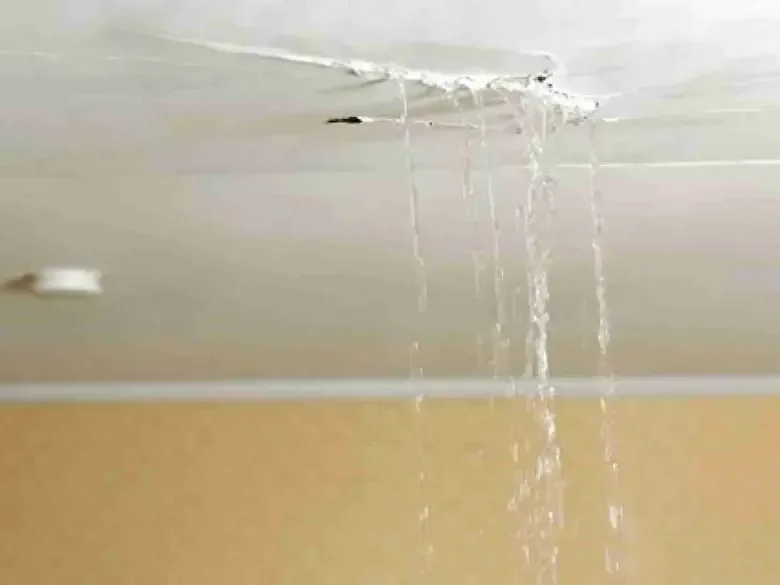
In South Glendale, apartments and condominiums create settings where a wet ceiling may sit beneath another occupied space. The stain shows where water collected, but tracing the source requires access to the actual assembly above it. The first practical decision is whether anyone can safely remain beneath the affected ceiling.
First steps for ceiling leak water damage in Glendale
Protect the space below the stain
Keep the floor beneath damaged board clear of occupants. Water near lights, fans or other electrical fittings requires a safe electrical assessment before anyone approaches those components.
Coordinate access above the room
The source may require entry to an adjoining unit, upper room or enclosed space. Arrange authorization and a safe approach before opening the ceiling from below.
Control the opening and debris
Any unstable or damaged finish should be handled within a planned work area. Protect unaffected belongings and document the condition revealed when the wet cavity becomes accessible.
Hold closure until the assembly is ready
Remaining framing and adjacent surfaces need moisture checks after source correction. Cosmetic work should follow the drying decision rather than simply covering the original stain or opening.
How ceiling leak water damage is handled in Glendale
The mitigation crew establishes a moisture baseline, selects equipment for the affected assemblies and checks progress against dry reference materials. Recorded readings guide adjustments and the final equipment removal.
- 1
Assess overhead stability and access
Inspection starts with the safety of the room below. Loose finishes, trapped water and electrical fittings affect where assessment and equipment setup can proceed.
- 2
Follow moisture beyond the stain
Water may run along framing before emerging through a seam. Investigate accessible paths above the mark and check connected wall surfaces for additional damage.
- 3
Choose retention or removal
Wet board and insulation need decisions based on condition and access. Record removed material and the purpose of each opening before preparing the cavity for drying.
- 4
Check the exposed assembly
Repeated measurements cover retained materials included in the work. Final notes identify remaining source repairs and ceiling surfaces ready for the next stage of restoration.
Read the ceiling without disturbing unstable material
Drooping board, cracking seams or active dripping deserve a restricted area. Moving furniture out from beneath the damage is useful only when the approach is safe. Occupants should avoid puncturing a bulge or removing a light fitting, since water and loose material may be held above the visible finish near electrical components.
Downtown Glendale has seen substantial apartment construction, and Adams Hill is another local residential setting. Building age or location cannot replace inspection of the particular ceiling. Access arrangements should account for occupied rooms, the floor above and any enclosed space through which the leak traveled.
- Document the stain boundary and visible changes from a safe position.
- Identify fixtures or equipment above the room for source investigation.
- Keep people away from loose material and wet electrical fittings below.
Separate wet board from the materials above it
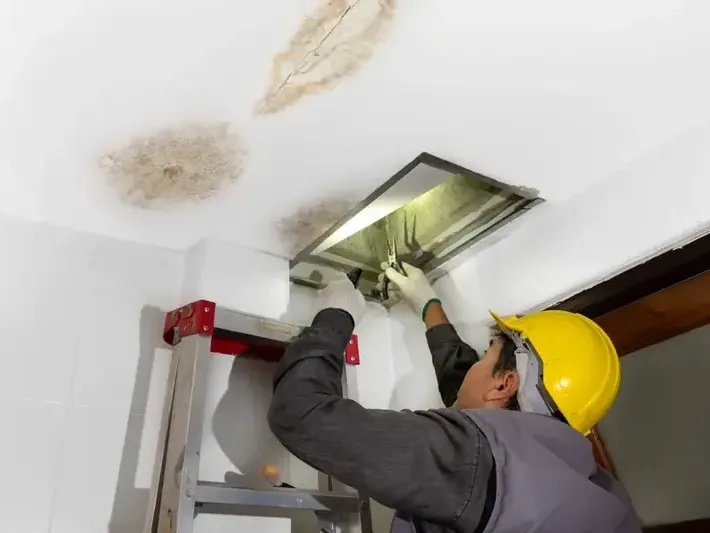
A ceiling assembly may contain insulation and framing that hold moisture after dripping stops. Removal decisions should distinguish unstable finishes from materials that can remain with suitable drying access. An opening needs controlled handling of debris and a clear reason, such as inspecting a wet cavity or reaching damaged insulation.
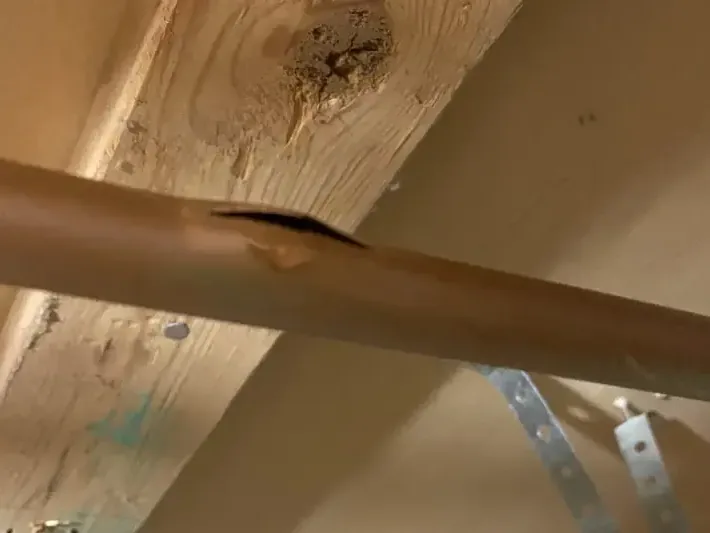
Where a failed supply pipe is identified, pipe release cleanup connects repair work with the interior damage. If rain is entering above the room, the roof source needs separate attention.
Insurance records for overhead damage
Photographs before opening, source findings and images of the exposed cavity help explain the scope. Record which ceiling materials were removed and why. Moisture notes should include the remaining framing or nearby wall surfaces so the drying history extends beyond the visible stain.
Before a new ceiling finish closes the space, structural moisture checks should address the remaining wet assembly. The repair plan can then distinguish dry retained materials from surfaces that still need replacement.
Ceiling leak water damage across Glendale and nearby towns
Ceiling work requires clear floor space beneath the damage and access above it where possible. Around South Glendale, building managers may help coordinate entry when apartments or condominiums share affected assemblies.
The same service nearby: ceiling leak water damage in La Crescenta, La Canada Flintridge, Burbank.
Related water damage services in Glendale

Ceiling Leak Water Damage questions in Glendale, CA
01Can a small ceiling mark conceal a larger wet area?
Water can collect above the finish or move along framing before appearing. Inspection checks the accessible cavity and adjacent surfaces to establish the actual extent.
02Should an occupant drain a swollen ceiling?
The area should remain clear until assessed. Puncturing swollen board can release water or debris unexpectedly and may bring someone near wet electrical components.
03Is the upstairs occupant always responsible for the source?
The cause must be traced through the actual assembly. Plumbing, rain entry and other sources require different repairs, so the stain alone should not assign responsibility.
04Can wet ceiling insulation remain in place?
Its condition, contamination and access determine the decision. Material that prevents adequate inspection or drying may require removal before the surrounding framing can be assessed.
05Why photograph the inside of the ceiling?
Images of the opened cavity document concealed damage and the reason for material removal. They connect the original stain with the work performed above it.
06When can the repaired ceiling be painted?
Source correction and the condition of retained materials come first. The finish work should proceed once the assembly is suitable for closure and surface preparation.
Resolve what is above the visible mark
A ceiling repair should follow the water into the cavity. Arrange an assessment that connects source correction, damaged material handling and drying before the opening is closed.
La Crescenta Water Damage Restoration · La Crescenta, CA