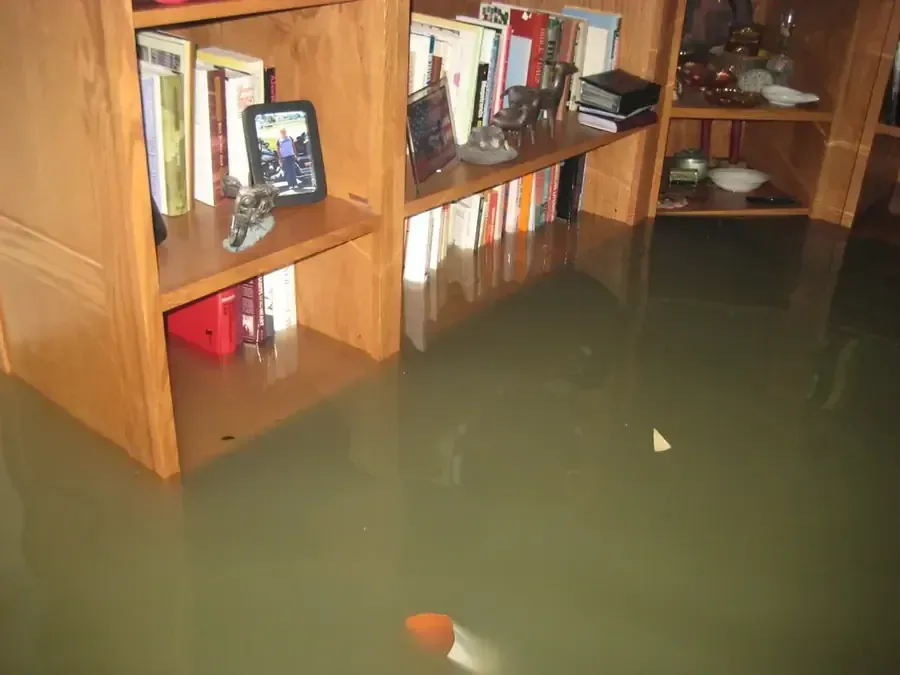
Winter rain in La Canada Flintridge can leave an owner trying to explain why water collected at a particular entrance. Most of the city drains southeast toward the Arroyo Seco area, while the western area generally beyond Alta Canyada Road drains toward Glendale through Verdugo Canyon. Inside a damaged home, the cleanup starts with a smaller question: which opening admitted water, and where did it travel after crossing the threshold?
Key takeaways
- Photographs should connect outdoor collection with the doorway and the first affected room.
- Sediment carried indoors needs a controlled cleanup route separate from unaffected living space.
- Threshold edges and adjoining wall bases deserve inspection after visible liquid is removed.
- Rain entry correction and indoor material drying need coordinated but distinct work descriptions.
- The final handoff should identify the original opening and any remaining exterior repair.
Make the doorway the center of the record
The first images should show the entrance from a safe position inside and, when conditions permit, outside. A stain at the sill, a debris deposit and a wet interior mat each describe part of the route.
Wider photographs help connect those details to the adjoining wall and floor without relying on memory later.
The room sketch should distinguish observed entry from nearby wet surfaces. Rain on an exposed exterior wall and water crossing a door are different observations, even if both occur during the same storm.
Clear labels help the person correcting the opening understand what the cleanup crew found when the room was first inspected.
Local rainfall occurs mainly in winter, and winter atmospheric river rainfall can intensify against the San Gabriel Mountains. A practical storm water cleanup assessment therefore includes the recent entry pattern and the present room condition.
The inspection follows visible deposits and material readings through the house rather than stopping at the first puddle.
- Include the sill, lower door frame and adjoining floor in the initial photographs.
- Describe the outdoor collection that was actually visible when the leak was discovered.
- Record whether water continued entering after the first interior photographs were taken.
- Leave unstable debris or unsafe outdoor access for the appropriate response personnel.
Keep sediment from traveling with the cleanup
Outdoor water can carry soil and other material across the entrance. A soiled mat or damp carton moved down a clean hallway can spread that contact beyond the original room.
The cleanup plan should establish where affected contents will be held and which route workers and equipment will use to reach them.
The dated local history includes debris basin overflow into residential neighborhoods on February 6, 2010, with mud damage reported in Paradise Valley. For a current loss, the useful description names the sediment found at the actual property and the surfaces it touched.
The amount and location of that deposit determine the immediate work.
Occupants should avoid handling wet debris or directing household fans across it. The crew first evaluates access and contamination concerns, then plans liquid recovery, material removal and cleaning.
Keeping these operations within the affected section protects the rest of the home while preserving a usable route for inspection and authorized contents movement.
Inspect the sill after the puddle disappears
Water can remain at joints where the doorway meets flooring and trim. Extraction makes these edges easier to inspect, but the absence of a puddle is only a surface observation.
The inspector checks accessible layers on both sides of the transition and records where moisture extends beyond the area that was visibly covered.
A low cabinet beside the entrance creates another concealed edge. Contents may need to move before the cabinet base or neighboring wall can be assessed.
The reason for moving or opening an item should be recorded so the owner can distinguish inspection access from damage caused by the original water contact.
The water removal sequence should leave a traceable record of what became accessible. If a finish is lifted, the newly exposed layer deserves its own photograph and measurement location.
That information helps the crew decide which materials can be cleaned and dried and which need an authorized removal plan.
- Check the transition into an adjoining room even when its center appears dry.
- Label the wall base next to the entry separately from the middle of the floor.
- Photograph concealed deposits discovered when a mat, trim piece or finish is moved.
- Keep access findings with the original doorway images for the later repair discussion.
Sort belongings by their actual contact
A contents list becomes more useful when it explains how an object was affected. A storage box resting in sediment differs from a dry picture hanging above it.
Item descriptions should record where belongings stood, what contacted them and where they were moved, without grouping the entire room under an unexplained damage label.
Absorbent belongings need particular attention when outdoor water has reached them. Their condition and the feasibility of cleaning should be assessed before they enter a dry storage area.
Important documents, electronics and specialty items may require a separate contents evaluation, with the owner told which decisions remain outstanding.
The movement plan also protects evidence at the entry. A rug should be photographed before it is rolled or discarded, since its wet edge may help show how far water spread.
Authorized disposal notes should name the item or group and retain the relevant images, allowing the owner to check what left the property.
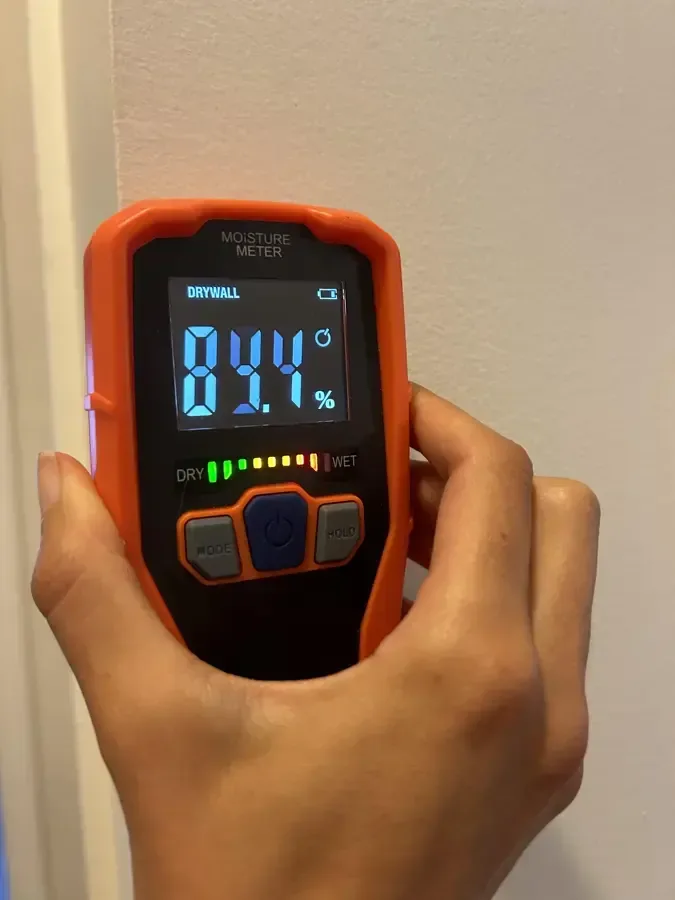
Dry retained materials after cleaning
The building needs clean, accessible surfaces before routine drying can proceed effectively. Material that remains suitable for retention is evaluated layer by layer, including the lower frame and floor edges around the entrance.
Equipment should reach the wet assembly while keeping cords, hoses and inspection paths clear of occupied routes.
During measured structural drying, the technician returns to labeled locations and compares changes in the same material. Room air conditions provide additional context, but a comfortable room does not settle the question of a damp sill or concealed floor layer.
Those locations need their own documented follow up.
Further rainfall can complicate the record if the original opening still admits water. Any new entry should be noted separately from moisture remaining from the first event.
This distinction helps the owner coordinate temporary protection or exterior repair with the indoor work, and it explains why a drying plan might need to change.
- Record the condition of retained door components before new finishes cover them.
- Revisit the floor edges that held sediment or showed the highest initial moisture.
- Document fresh entry as a new observation with its discovery time and location.
- Identify the exterior repair contact separately from the indoor cleaning and drying scope.
Leave the owner with a usable entrance plan
The final record should describe how the entrance will function during remaining repairs. An open wall edge, removed threshold or temporary protection can affect ordinary access even after drying equipment leaves.
The owner needs to know which route remains available and what must be completed before the doorway returns to normal use.
A reconstruction contractor benefits from paired photographs showing the original deposit and the cleaned, exposed assembly. Measurements, retained material decisions and removal notes can then be read alongside the images.
This makes the handoff specific enough to plan the next work without asking the owner to retell the storm from memory.
Future observation can focus on the repaired opening and adjacent collection points. If water appears again, a photograph from the same position creates a useful comparison with the earlier event.
The follow up should describe what is visible at that time, preserving a clear record of the building's response after exterior work.
Questions
Should a muddy entrance mat be moved into the hallway?
Affected absorbent items need a designated holding or disposal route. Dragging a wet mat through an unaffected space can spread the material it collected and make the original contact boundary harder to identify.
What helps distinguish door entry from another leak?
Sill deposits, lower frame marks and photographs showing the first indoor water location give the inspector physical points to compare. Rain timing alone is less useful than a connected record of the opening and the room.
Can the room be dried while the opening still leaks?
The source of continuing entry needs attention alongside mitigation. Newly arriving water should be documented so equipment decisions account for the current condition of the building.
What should remain in the owner's file?
Entry photographs, the material map, cleaning and removal decisions, final readings and the exterior repair scope form a practical record. Together they explain both the indoor work and the remaining task at the doorway.