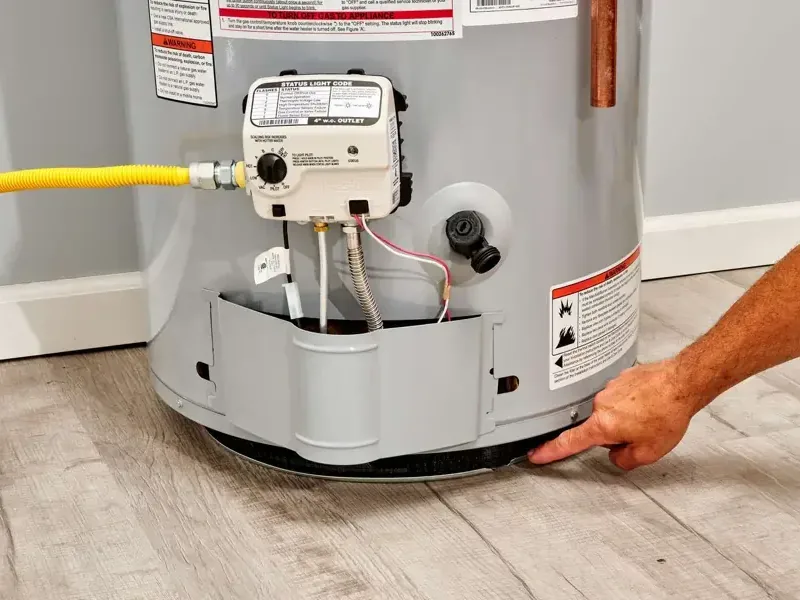
A leaking water heater can leave a small closet crowded with wet belongings, utility connections and a tank that still needs attention. In South Pasadena, renter occupied homes accounted for 55.7% of occupied housing units in 2020, making communication between occupants and property contacts a useful part of the cleanup discussion. The immediate record should explain where water appeared and which adjoining materials were reached, while qualified personnel handle the heater and its utility hazards.
Key takeaways
- Wet utility connections and hot water require a safe access decision before ordinary cleanup.
- The tank service visit and the building drying work need enough space to proceed safely.
- Closet contents should be labeled by original position and water contact before storage elsewhere.
- The adjoining room needs inspection when moisture crosses the closet threshold or wall base.
- Replacement of the heater and repair of damaged finishes should have separate completion notes.
Give the property contact a clear first report
An occupant should describe what is visible from a safe position: water around the tank base, a wet closet threshold or moisture entering the next room. The report should also identify utility connections in the affected area and whether water is still accumulating.
Those observations help the property contact arrange the appropriate response without requiring an occupant to diagnose the heater.
A tank label or maintenance record can be useful when it is already accessible, but obtaining it should not require entering unsafe water or reaching behind equipment. The person handling the heater can document the unit during inspection.
The household's initial task is to preserve an accurate account of discovery and keep access restricted where hazards exist.
The water heater leak cleanup service deals with the affected building materials around the equipment. Heater repair or replacement is coordinated with that work so the closet can be inspected and dried.
A clear distinction between these tasks helps an owner understand why a new tank may arrive before the surrounding finishes are ready.
- Report the visible water location and whether the wet boundary is still expanding.
- Identify the property contact who can arrange equipment service and authorize access.
- Leave unsafe utility connections and hot water conditions for qualified personnel.
- Keep photographs of the closet entrance before tank removal or contents movement.
Make room for the tank work
A narrow closet can limit access to the back wall and the floor beneath the heater. The service plan should account for the equipment footprint and the route used to reach it.
Stored items that can be safely moved need a designated destination so the work area does not become blocked by the contents removed from it.
Movement should preserve the difference between dry belongings and items that sat in water. A carton against the tank base may need a different handling decision from an untouched shelf item.
Labels describing the original position and visible contact help the owner understand those decisions after the closet has been cleared.
The equipment contractor and mitigation crew should coordinate when the floor becomes accessible. Tank removal may reveal moisture or finish damage hidden during the first visit.
Those findings need photographs and an updated material record before replacement equipment covers the area, allowing the next decision to reflect what was actually found beneath the unit.
Follow the closet boundary into the home
The inspection should continue at the threshold even if the main puddle stays inside the closet. Liquid can reach floor joints and wall bases beyond the equipment area, where the surface may look less obviously affected.
The room diagram should identify each adjoining edge that needs a reading or a closer look.
A nearby storage cabinet or wall return can conceal part of the route. The inspector should explain whether access is available and what remains unexamined.
This makes the scope more useful than a general statement that the closet was dried, particularly when an adjacent floor finish may still cover the wet layer.
Accessible liquid recovery is addressed through the water extraction process, followed by evaluation of the materials left behind. The record should show where extraction occurred and where moisture remains within an assembly.
That distinction keeps tank service, surface cleanup and building drying from being treated as the same completed task.
- Inspect the adjoining room at the threshold and the lower wall nearest the tank.
- Record any floor or cabinet edge that remains concealed after initial cleanup.
- Photograph the area uncovered by equipment removal before the next installation step.
- Add newly found wet layers to the existing room map instead of starting an unrelated note.
Decide how affected storage will be handled
Utility closets often contain belongings that complicate inspection access. The contents record should describe each affected group by its material and condition, including packaging that has softened or fabric that absorbed water.
An owner can then decide what needs evaluation, cleaning, disposal or temporary storage without guessing from a photograph of a mixed pile.
Dry storage should not become a second damp area. A wet box placed against another wall can carry moisture away from the original closet and conceal a new contact point.
A designated holding location with clear labels protects the rest of the home and keeps the cleanup boundary understandable during successive visits.
Items of particular importance may need separate evaluation before disposal. The record can identify those belongings and the decision still pending, with authorization documented when removal proceeds.
This protects useful information without promising that every item can be restored or assigning a replacement value that has not been established.
Dry around the equipment and exposed layers
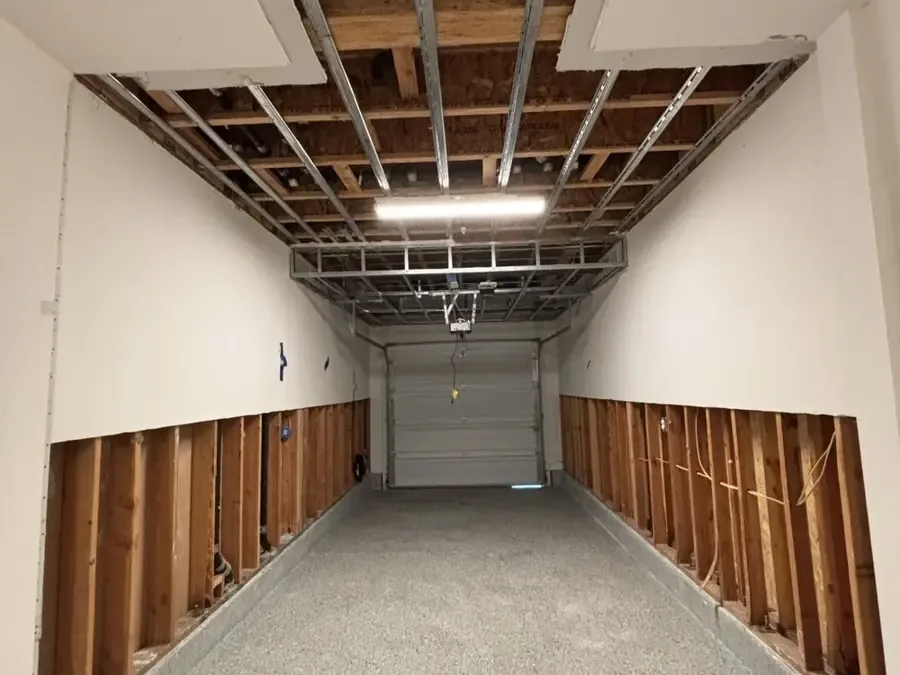
Retained wall and floor materials need access for assessment and drying. The equipment arrangement should account for the heater service area as well as the route for occupants.
The plan should identify which surfaces are being treated and which locations will be revisited, making progress understandable even in a small, crowded space.
The structural drying work uses repeated material observations to decide what remains necessary. A dry threshold does not answer the condition beneath the tank footprint or behind a wall finish.
Those locations should retain their own labels and findings so an inaccessible layer does not disappear from the final discussion.
If the replacement arrangement changes access, both trades should know what remains to be inspected. The owner benefits from a record of the condition before the new equipment occupies the space.
That record also helps the finishing contractor understand which areas were dried, which materials were removed and what repair remains around the installation.
- Keep the tank service route separate from stored contents and drying equipment.
- Record the floor condition while the original equipment footprint is exposed.
- Compare readings at the same lower wall and threshold points on return visits.
- Communicate any access that will be lost when replacement equipment is installed.
Finish with separate equipment and room records
The closing file should state the equipment work performed and the building condition at handoff. A heater service document answers a different question from a wall drying record.
Keeping both descriptions allows an occupant or owner to understand why utility service may be restored while trim or flooring replacement is still pending.
South Pasadena includes detached homes and buildings with multiple units. At a property with several occupants or contacts, the handoff should name the affected room and the person coordinating remaining access.
This keeps a closet repair from becoming an unclear building wide message that leaves residents unsure which work area remains restricted.
Before belongings return, the storage arrangement should be reviewed against the finished space. Items still damp or awaiting evaluation should remain identified, and access to equipment should stay available.
The final photographs can show the repaired room condition and the clear route, giving the owner a useful comparison if another concern develops later.
Questions
Does installing a new heater complete the water damage work?
The new unit addresses the equipment task. The surrounding wall, floor and contents still need their own condition assessment, and any unfinished drying or finish repair should remain listed in the room scope.
What should a renter report first?
Visible water location, continued spreading and any nearby utility hazard are useful starting details. The property contact can then coordinate safe access and the appropriate equipment service.
Why photograph the empty tank footprint?
Removal can expose a layer that was hidden during the initial assessment. A photograph and condition note preserve that finding before replacement equipment occupies the same space.
Can closet belongings go straight into another room?
Dry items and water affected items need different handling. Labeled temporary storage keeps damp packaging or fabric from introducing moisture into an otherwise unaffected area.