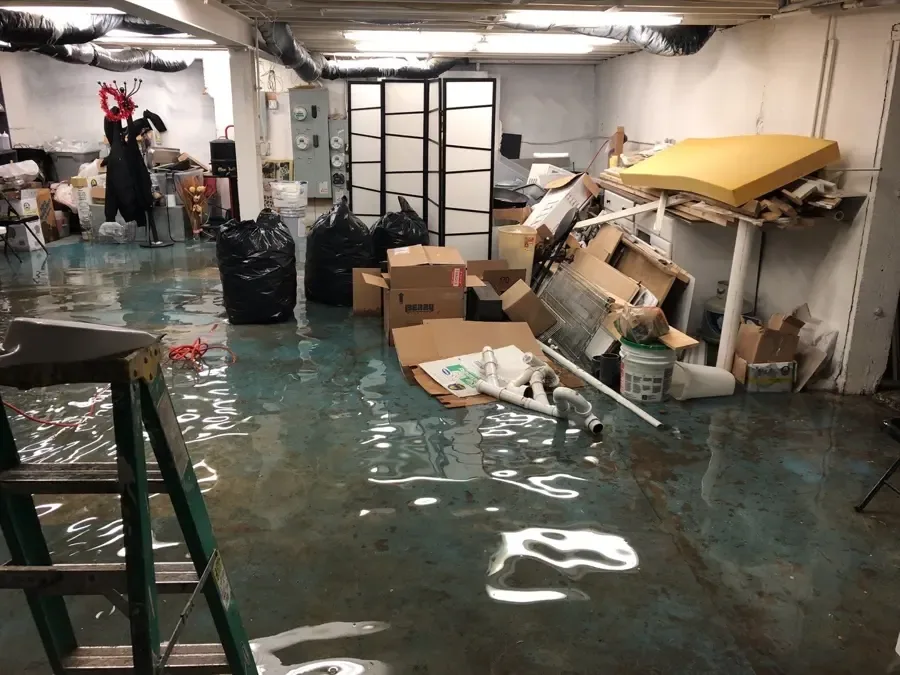
Sewage at a bathroom doorway changes how the adjoining room must be approached. In a La Crescenta home, a useful first description identifies the fixture involved, the visible spread and any contact with rugs, cabinets or stored belongings. Occupants should stay outside the affected area while the drain problem and cleanup needs are assessed. The work then follows the actual waste contact through the building, including edges that a surface wipe would leave concealed.
Key takeaways
- Occupants and pets should remain outside the area touched by sewage.
- A drain correction and a building cleanup answer different problems and need coordinated records.
- The contact boundary includes belongings and concealed finish edges reached by the release.
- Affected porous materials require assessment before ordinary room drying begins.
- Clean routes and equipment handling help prevent waste contact from spreading into dry rooms.
Stop ordinary use of the affected space
A bathroom with sewage on the floor should not remain part of the household's normal traffic route. The access plan should keep occupants away from the affected fixture and the spread around it.
An observer can report the visible boundary from a safe position without entering the room to test a drain or retrieve a wet item.
Further use of connected fixtures may add to the release while the cause remains unresolved. The appropriate plumbing professional should assess the drainage problem and determine the source correction needed.
Household observations should describe what happened and which fixtures were involved, preserving useful information without attempts to diagnose a concealed obstruction from the doorway.
The sewage backup cleanup service addresses the contaminated building area after safe access is established. A corrected drain does not describe the condition of a soaked cabinet or adjoining carpet.
Those contact points need a cleanup scope that follows the release beyond the fixture where it first became visible.
- Keep people and pets outside the bathroom and any adjoining contaminated section.
- Report which fixture released waste and whether the visible spread is still changing.
- Avoid moving wet rugs, towels or cartons through unaffected household rooms.
- Leave drain testing and correction to the appropriate plumbing personnel.
Map contact across the bathroom threshold
The boundary should include every surface visibly reached by the release and the edges that need further inspection. A doorway photograph can show the relationship between bathroom flooring and an adjacent room.
The inspector then checks the accessible threshold, trim and lower wall rather than treating the tile edge as an automatic stopping point.
Soft flooring outside the bathroom requires a material specific decision. Contact with sewage changes the evaluation of absorbent layers, including material beneath a surface that can be wiped.
A clear record names the finish, backing or underlayment involved and explains where access is needed to determine the full extent of contact.
Fixed cabinetry can also conceal affected material at its base. The scope should identify which portions can be inspected and whether removal is needed to reach a contacted layer.
Photographs of the opening and the condition behind it help the owner understand why the cleanup boundary changed after the first view of the room.
Set a route for waste and equipment
The work area needs a controlled route for recovered liquid, removed material and equipment. That route should be planned before cleanup begins so workers do not repeatedly cross unaffected living space with contaminated items.
The owner should know which doorway is being used and where household access remains available during the work.
A clean holding area for unaffected belongings should remain separate from the waste handling area. Tools and equipment leaving the affected zone need appropriate cleaning procedures.
Keeping these operations organized makes it easier to maintain the original boundary and prevents the household from unknowingly using a surface that has become part of the cleanup route.
The related water recovery work requires methods suited to the condition of the release. A household fan directed over sewage is not a substitute for controlled recovery and cleaning.
The crew's sequence should address contamination and material decisions before setting up the ordinary drying of suitable retained surfaces.
- Identify the work entrance and protect the route through the property.
- Keep unaffected contents outside the waste handling and equipment cleaning areas.
- Document materials removed from behind trim or fixtures as the scope develops.
- Reassess access restrictions whenever the work boundary or movement route changes.
Make contents decisions before mixing the room together
The contents list should distinguish direct sewage contact from belongings that remained untouched. A washable object above the release and an absorbent item on the floor need different evaluation.
Room position, material and visible contact are useful facts to record before an item moves, because a later photograph in storage may lose that context.
Affected porous belongings should be assessed for safe handling and disposal rather than returned to ordinary storage while damp. Important papers or specialty items may need a separate contents professional.
The owner should receive a clear explanation of the pending decision, with no promise that a visibly contaminated item can be recovered.
Authorization and photographs should accompany disposal when circumstances permit. The list can identify an item group without inventing its value, preserving enough detail for the owner to check the work.
This process also reduces the chance that an untouched belonging is discarded simply because it was moved into the same pile as affected property.
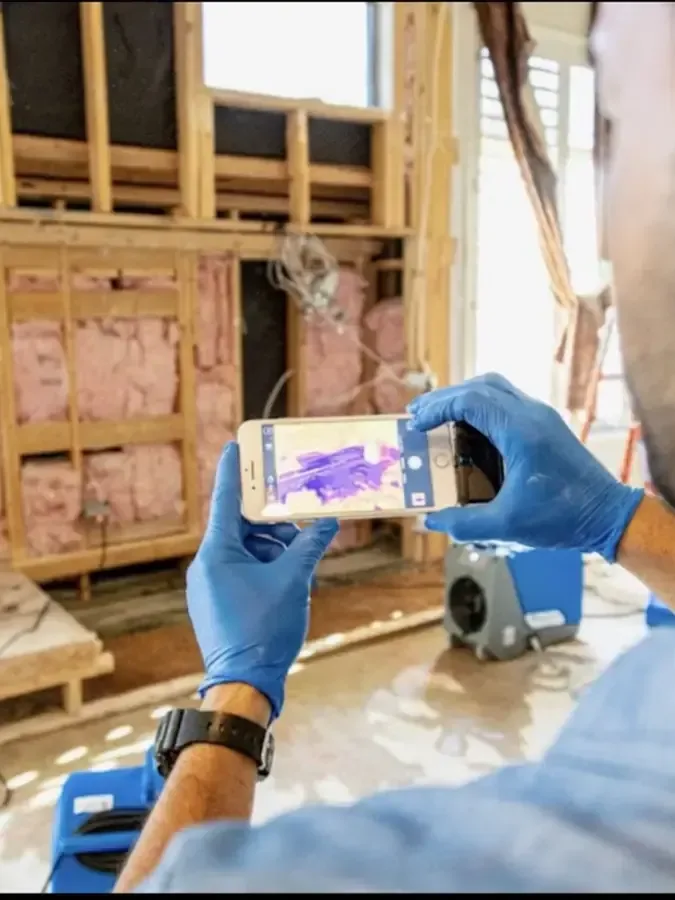
Clean retained surfaces before evaluating drying progress
The retained assembly needs appropriate cleaning after accessible waste and unsuitable materials have been addressed. The scope should identify what remains exposed and why it is suitable to stay.
A cleanable surface may still sit beside a removed porous layer, so the material record needs more detail than a statement that the bathroom was sanitized.
The structural drying assessment follows the moisture condition of suitable retained components. Readings should be attached to locations at the threshold, wall base and other affected edges.
This keeps the drying record connected to the original contact map and gives the crew a way to explain which material still needs attention.
Air movement is arranged after the contamination controls and cleaning decisions are established. Equipment placement should preserve access to the exposed assembly and the route for necessary inspections.
A change in placement should have a practical explanation tied to the material response, allowing the owner to understand the work without relying on a fixed duration promise.
- Identify retained surfaces and removed porous layers in the same location record.
- Keep cleaning completion notes separate from the measurements used to evaluate drying.
- Revisit the threshold and concealed edges that were part of the original spread.
- Maintain restricted access until the appropriate work assessment supports a change.
Hand over the bathroom as a documented work area
The final record should connect the plumbing correction with the cleanup and the remaining repair. A cleared drain explains how the release was addressed, while contact photographs, removal notes and final readings explain the building work.
The owner needs both parts to understand what was completed and what must happen before ordinary use resumes.
Any missing trim, open wall or removed floor layer should be listed for the repair contractor. The exposed condition matters because replacement work may conceal the area again.
Photographs at handoff allow the next trade to see which surfaces were retained and which part of the assembly needs reconstruction or further evaluation.
Belongings should return according to their condition and the readiness of the room. Items awaiting evaluation should remain labeled, and the household should receive a clear account of any remaining access restriction.
La Crescenta owners can keep that record with the source repair information so a future drainage concern can be compared with the completed event.
Questions
Is an open drain enough to make the room usable again?
Drain flow addresses the plumbing issue. The room also needs evaluation of sewage contact, removal or cleaning decisions and the condition of retained materials before normal access is restored.
Should household fans be used over a sewage spill?
Air movement should be planned after the affected area and contamination concerns are assessed. Routine fans can disturb material in the spill area and complicate control of the work boundary.
Why check the carpet outside the bathroom?
The release can cross a threshold and contact absorbent layers beyond the visible bathroom floor. That adjoining material needs its own assessment even when the fixture problem has already been corrected.
What belongs in the disposal record?
The original location, a practical item description, photographs and the applicable authorization help explain what left the property. Unaffected belongings should remain distinguishable from items that were directly contacted.